
Last updated November 15, 2026
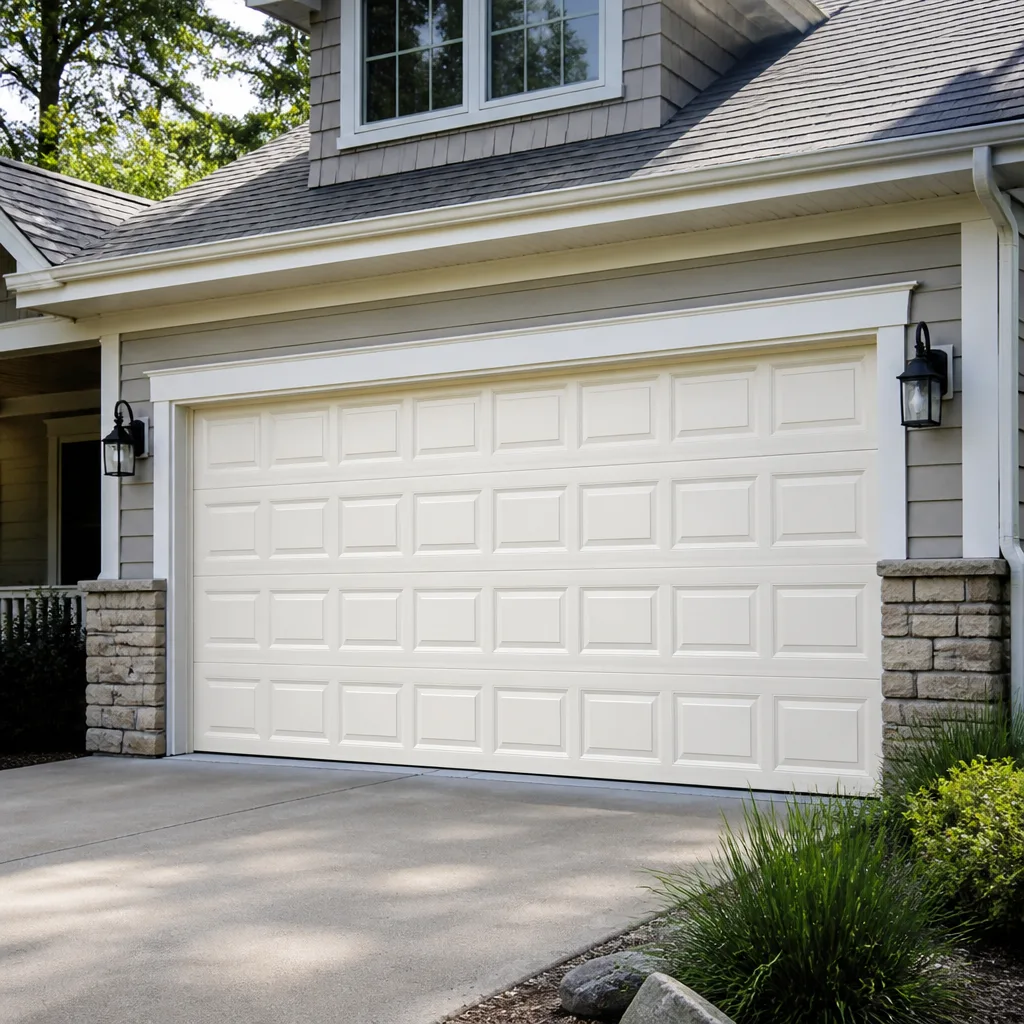 Raised-panel steel
 Carriage house
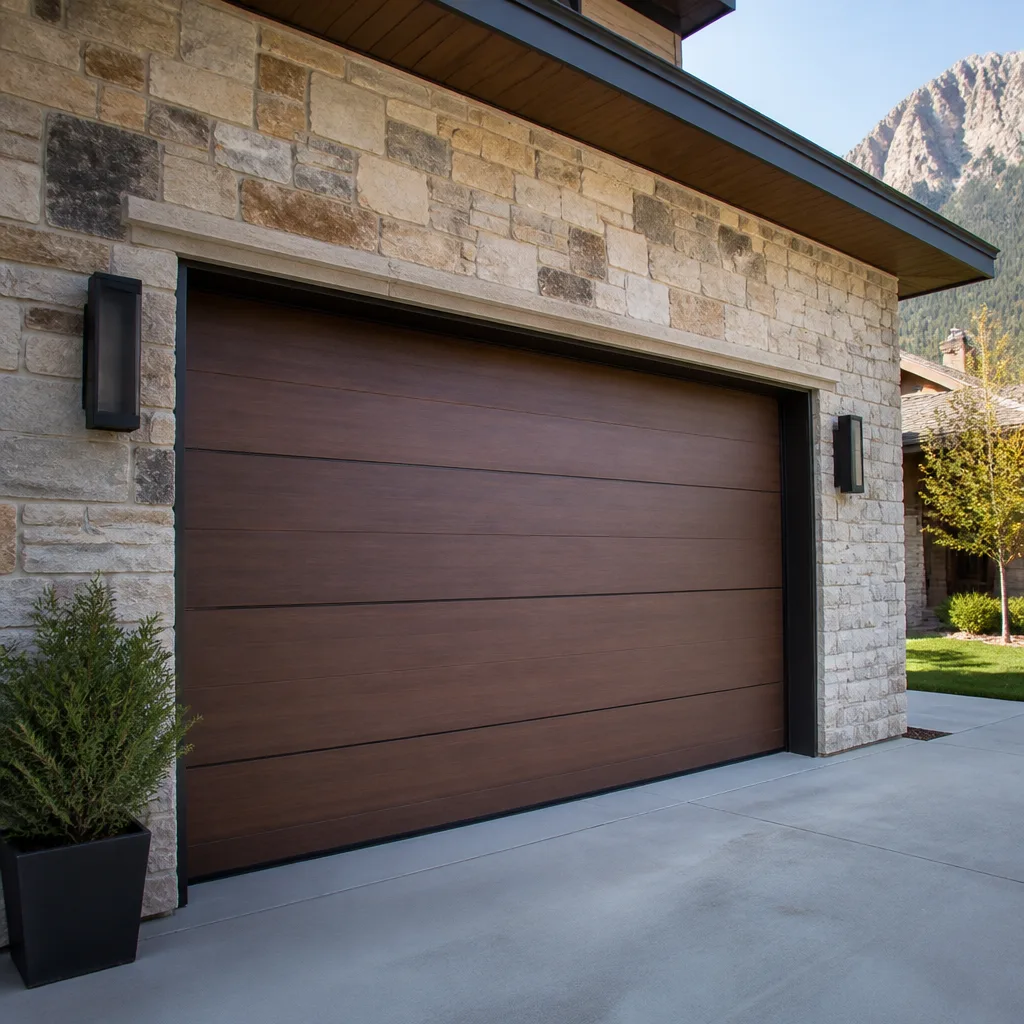 Modern flush
 Full-view glass
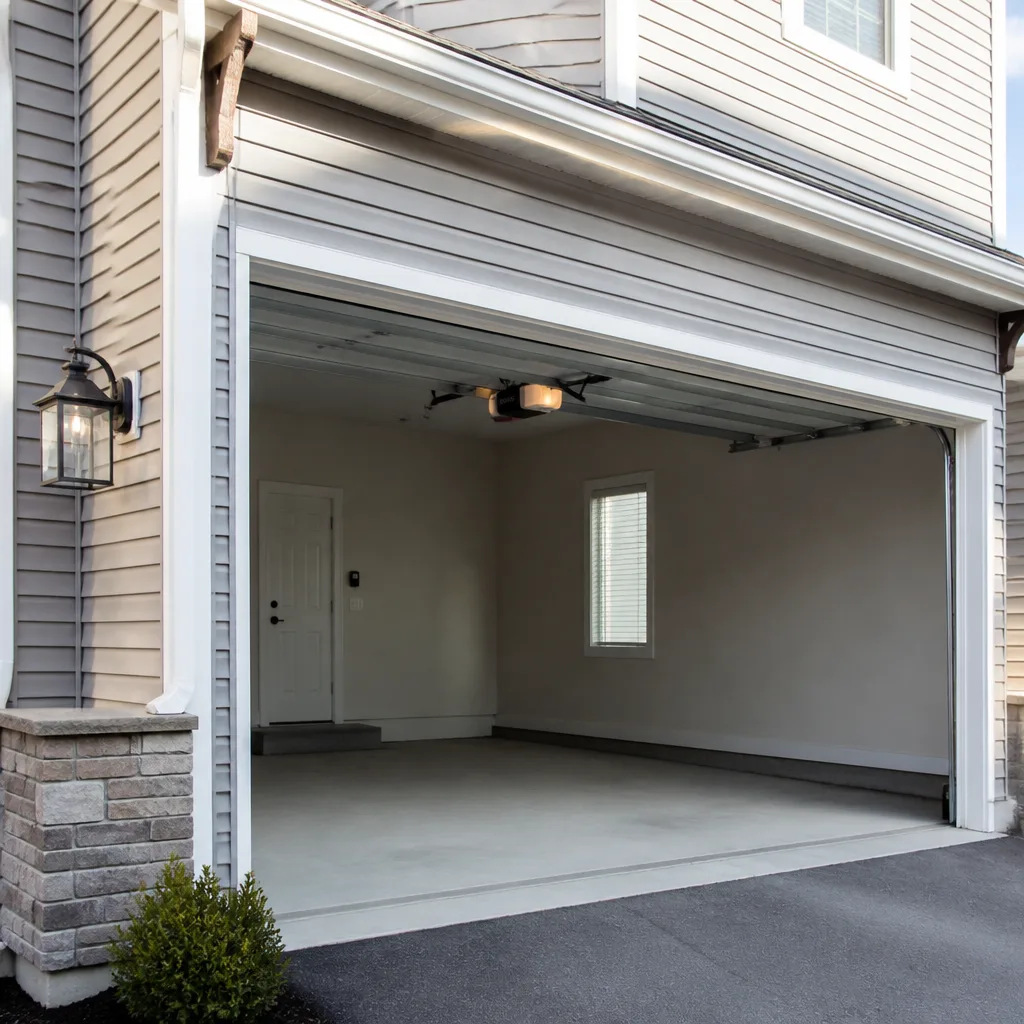 LiftMaster openers
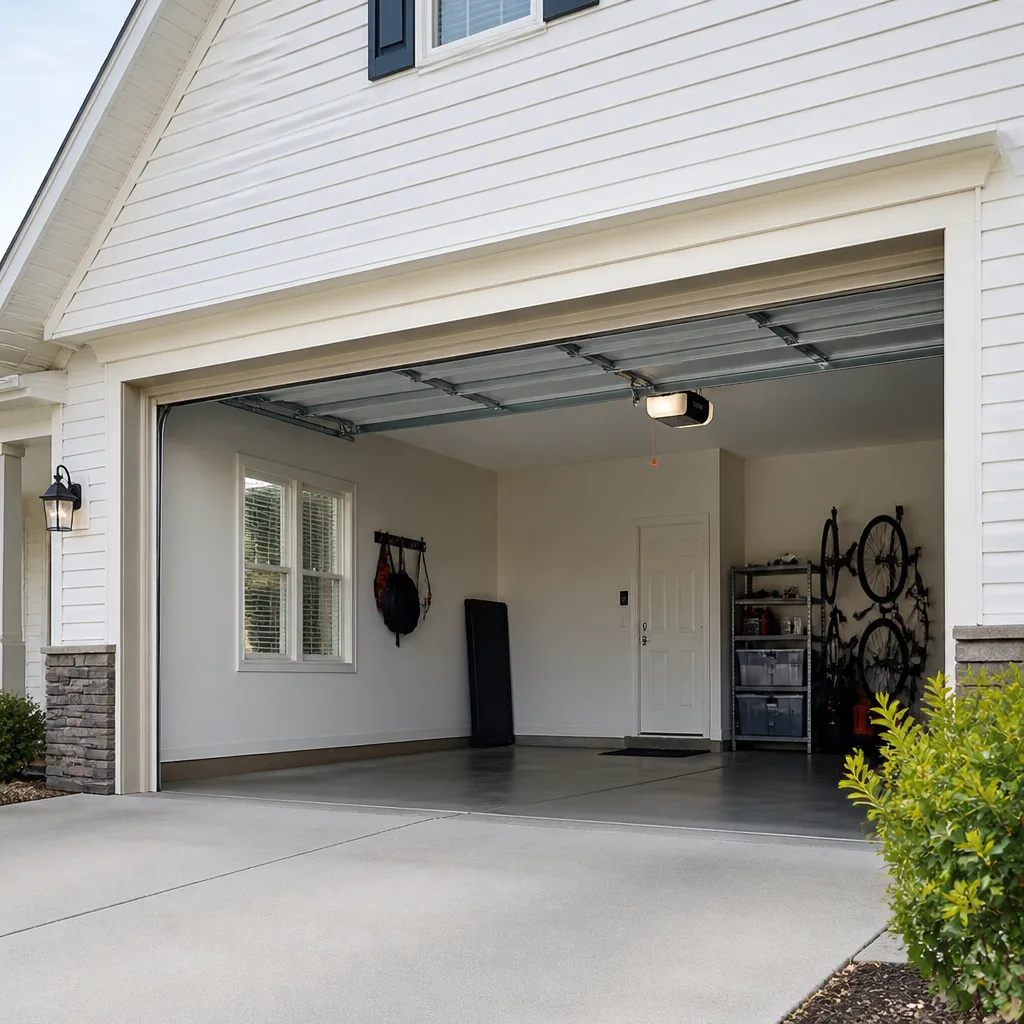 Chamberlain openers
Full 25-point door and opener safety check with every visit - springs, cables, rollers, tracks, and your LiftMaster or Chamberlain opener included
You get a price before we start. It does not change when the pro arrives.
Get your free estimateGarage Door Repair Maintenance Schedule: What to Do and When
The number-one cause of mid-winter garage door failures in Detroit isn’t age or wear. It’s lubrication applied with the wrong product in the wrong month, which thickens in the cold and locks moving parts in place. A door that sailed up and down all summer can quit on the first hard freeze because someone sprayed the tracks with the wrong can in November. This guide fixes that. We’ll lay out a month-by-month maintenance rhythm built for Detroit’s climate calendar, explain which products actually work below 10°F and why WD-40 is the wrong call, and show you the difference between a five-minute monthly check and the annual professional inspection. The work you skip in October is the emergency you call about in January.
Quick Answer
A working garage door maintenance schedule has two layers: a five-minute self-inspection you do monthly, and a professional tune-up once a year. In Detroit, the calendar should be timed to the seasons: prep moving parts and weather seals in October before the freeze, inspect hardware in April after salt season, and check wood doors in July when humidity peaks. Springs, cables, and opener electronics need a trained eye once a year; the rest you can handle yourself.
Styles & brands we work with
- Raised-panel steel
- Carriage house
- Modern flush
- Full-view glass
- LiftMaster openers
- Chamberlain openers
Table of Contents
- Why a Garage Door Needs a Schedule at All
- The Detroit Maintenance Calendar: Month by Month
- Lubrication: Which Products Work Below 10°F
- The Five-Minute Monthly Self-Inspection
- What the Annual Professional Inspection Catches
- How to Extend Spring Life in a Swinging Climate
- Building a Maintenance Log That Protects You
- Brand-Specific Notes for Common Detroit Doors
Why a Garage Door Needs a Schedule at All
A garage door is the largest moving object in most homes, and it runs on more parts than people realize: torsion or extension springs, cables, rollers, hinges, tracks, and a motor with its own set of sensors and gears. Every one of those parts wears at a different rate, and they wear faster in a climate that swings from summer heat to deep winter cold twice a year. A schedule isn’t about being fussy. It’s about replacing the cheap, easy-to-reach parts before they take expensive ones down with them.
The failure pattern we see across Detroit follows the seasons closely. Dry, worn rollers in summer start grinding and wear the track. A stiff spring in January stops lifting or lifts with a bang. A seal that hardened over a cold snap lets meltwater under the bottom edge in March. None of these are mysterious. They’re predictable, and they’re inexpensive to prevent when you catch them early.
There’s a second reason to keep a schedule: documentation. If you ever file a warranty claim on a Clopay or Amarr door, or sell the house and fill out a disclosure, a simple maintenance log answers a lot of questions. We’ll get to that later.
None of this requires a mechanical background. The monthly check takes about five minutes and needs no tools. The annual inspection is the one to book with a trained technician, and it’s the one that keeps you out of trouble.
The Detroit Maintenance Calendar: Month by Month
This is the part most general checklists miss. A quarterly schedule written for a mild climate doesn’t line up with what a Detroit door actually goes through. Here’s how we’d time it for a home here.
October: pre-freeze prep
Before the first hard freeze, clean and lubricate the moving metal parts with a cold-rated product, inspect the bottom weather seal for cracks, and check that the door closes flush. This is the single most important month on the calendar. A door prepped in October runs through January without complaint.
November through March: watch, don’t service
During the cold months, keep it light. Do the monthly five-minute check, clear snow and ice from the bottom edge when it piles up, and don’t force a stiff door. If the door starts to hesitate or the opener strains, that’s a sign something’s binding, and it’s worth a call rather than a can of spray.
April: post-salt-season hardware inspection
By April, road salt, grit, and meltwater have been thrown at your door’s lower hardware all winter. Wash down the bottom section and hinges with plain water, check for rust on the hinges and bottom bracket, and look at the rollers for flat spots. This is the time to clean out grit that’s worked into the tracks.
May: springs and balance check
With the temperature stable, a professional can properly test the door’s balance and spring tension. This is a good point in the year for the annual tune-up if you’d rather not schedule in the fall.
July: peak-humidity wood door check
Detroit summers are humid. Wood doors from Clopay and similar makers absorb moisture, swell slightly, and can bind in the frame or crack the finish. This is the month to check the bottom edge of wood panels for soft spots, refresh the finish if it’s failing, and confirm the door still moves freely. Composite and steel doors don’t swell, but their seals and hardware still deserve a look.
August: opener and sensor check
With the door working hard in the heat, test the opener’s safety reverse and photo-eye sensors. A Genie or LiftMaster opener that no longer reverses on contact is a safety issue, not a convenience one.
September: pre-winter inspection
Do a full inspection before the cold sets in, ideally with a technician, and fix anything marginal. The work you do here keeps October prep simple.
You’ll notice this calendar isn’t symmetrical. It front-loads the work before winter because that’s when failures cluster here. If you only do two things all year, make them the October prep and the April hardware check.
Lubrication: Which Products Work Below 10°F
This is where a lot of doors go wrong, and it’s worth being specific. The wrong lubricant in the wrong month is the most common self-inflicted failure we see on Detroit doors. Here’s what we recommend and why.
- Silicone spray – the right choice for tracks, hinges, and rollers in cold weather. It stays fluid below 10°F, doesn’t collect grit, and won’t gum up in the cold.
- Lithium grease – good for the torsion spring, the bearing plates, and the opener’s screw or chain drive. It’s thicker and longer-lasting where two metal parts bear against each other. It’s the wrong product for the tracks themselves because it attracts dirt.
- White lithium – fine for hinges and bearings, but not for anything that needs to stay light in extreme cold.
- WD-40 (standard formula) – the wrong call for a garage door. It’s a solvent, not a lubricant, and it evaporates, leaving metal dry. Worse, the film it does leave gets tacky in cold weather and grabs grit. It’s the number-one culprit behind stiff, noisy doors in January.
Here’s the practical rule: silicone on every moving surface that slides or rolls, lithium grease where two metal surfaces bear and pivot, and nothing solvent-based anywhere on the door. Apply lubricant to the rollers, hinges, spring (a light coating only, not a pack), and the opener chain or screw per the manufacturer’s instructions. Never grease the tracks themselves beyond a light silicone wipe; they’re meant to stay clean.
One more note tied to brands: LiftMaster and Chamberlain opener chains, and Genie screw drives, each have their own lubrication recommendations in the owner’s manual. Follow the manual. If you’ve lost it, a quick search by model number will usually find it, or a technician can check when they’re out.
The Five-Minute Monthly Self-Inspection
This is the small habit that makes the difference. It takes about five minutes, needs no tools beyond your eyes and hands, and catches most early problems before they become repairs. Run it on the same day each month so you don’t forget.
- Listen. Open and close the door once and just listen. Grinding, squealing, or a rattle that wasn’t there last month is your first clue.
- Watch the travel. Does the door move smoothly and evenly, or does it lurch or hesitate partway up? Hesitation suggests something binding.
- Check the balance. With the door at chest height, disconnect the opener (pull the release cord) and lift it partway. It should stay roughly where you let go. If it drops, the springs are losing tension.
- Look at the springs and cables. Check for visible gaps, stretching, or fraying. Do not touch them. Springs and cables are under extreme tension, and a broken one can cause serious injury. If they look wrong, call a professional.
- Test the safety reverse. Place a small object (a roll of paper towels works) in the door’s path and close it. The door should reverse on contact. If it doesn’t, stop using the opener and have it checked.
- Test the photo-eyes. Wave a hand in front of each sensor while the door is closing. It should reverse. Clean the sensor lenses with a soft cloth if they look dusty.
- Eyeball the seals. Look at the bottom weather seal and the side seals. Cracks or gaps let cold air and water in. Replace them before winter.
If any of those checks come up short, write it down. That list becomes your call to a technician, and it saves you the trouble of diagnosing it on the phone. Our garage door repair team can work through the list with you, and it’s worth knowing that opener problems often masquerade as door problems, so a good diagnostic visit covers both.
What the Annual Professional Inspection Catches
The monthly check is designed to catch what a homeowner can see and hear. The annual inspection is built for what you can’t: internal spring stress, cable wear hidden inside the drum, opener gear condition, and track alignment measured against a straightedge. Each catches things the other misses, and together they cover the whole system.
Here’s what a good annual inspection typically includes:
- Balance test and spring tension check with the door at multiple points
- Cable inspection for fraying, wear at the drum, and proper seating
- Roller and hinge wear assessment, with replacement of worn parts
- Track alignment and fastener torque check
- Opener gear, chain or belt, and sensor test, including safety reverse
- Weather seal and bottom-edge condition
- Lubrication of all moving parts with a cold-rated product, if timed for October
Booking this in the fall makes the most sense in Detroit because it doubles as pre-winter prep. If you’d rather spread the work out, book it in spring and do your own October check. Both work. What matters is that a trained set of eyes goes over the door once a year, because the parts that fail in January are usually the parts nobody looked at in October.
Our technicians have up to 14 years of experience with the full range of residential door systems, and they’ve seen which problems recur on which brands. If you’re not sure whether your door needs the annual visit or a repair, an honest diagnostic answers that.
How to Extend Spring Life in a Swinging Climate
Springs are the heart of the door and the part most affected by temperature. They’re also the part you shouldn’t touch. But you can do a few things to help them last longer without putting your hands near them.
First, keep the door balanced. A well-balanced door puts even load on both springs, so neither takes more of the strain. If your monthly balance test shows the door dropping, that imbalance is wearing the springs faster. Second, don’t run the opener with a stiff spring through the cold months. When the door is stiff in January, forcing it makes every motor start harder on the springs and the opener’s gears. Third, watch the cycle count.
Every up-and-down is one cycle. A door that opens and closes four times a day runs about 1,460 cycles a year. Standard torsion springs are typically rated for a set number of cycles, often quoted as a range by the manufacturer, and high-cycle springs are rated for considerably more. If your door runs more than a typical household, it’s worth knowing the cycle rating on your springs and planning replacement before they fail rather than after.
The climate is the wildcard. Detroit’s repeated freeze-thaw cycles put more stress on metal than a stable climate does, so a spring that’s near its rated cycles going into winter is a spring to replace in the fall. A spring replacement done in October is far less disruptive than one at 7am on a cold morning in February when the door won’t lift.
One safety note that isn’t negotiable: torsion springs and their cables are under enough tension to cause serious injury. Never adjust them, cut them, or try to unwind them yourself. That work belongs to a trained technician with the right tools.
Building a Maintenance Log That Protects You
A small notebook or a spreadsheet on your phone, kept in the garage, will pay for itself more than once. Here’s what to record, and why.
- Date and what was done. “October 12 – lubricated rollers and hinges, replaced bottom seal.” That’s enough.
- Who did the work. Note the company and the invoice number if a technician did it.
- Parts replaced. Note the part and, if you have it, the model. This matters for warranty claims.
- Any issue you noticed but didn’t fix yet. A small rattle you’re watching, a stiff roller. This becomes next month’s line item.
- Annual inspection notes. What the technician flagged and what they recommended for the next visit.
If you ever file a warranty claim on a Clopay or Amarr door, or a warranty claim on a LiftMaster or Genie opener, the manufacturer will often ask for proof of proper maintenance. A log answers that in one page. If you sell the home, a maintenance log is also useful documentation at disclosure, and it reassures a buyer that the largest moving object in the house has been cared for.
We keep records of every visit for our customers, so if your log goes missing, we can pull the history. That’s one small reason to have the work done by a single provider.
Brand-Specific Notes for Common Detroit Doors
One size doesn’t fit every door, and the brands you’ll find on Detroit homes have their own quirks. We work on eight major manufacturers: LiftMaster, Chamberlain, Genie, Clopay, Amarr, Wayne Dalton, Craftsman, and Raynor. A few notes on the ones we see most often.
- Clopay and Amarr – common on the door side, especially on newer construction around the city. Their wood and composite panels still need the July humidity check; steel panels need the April hardware inspection for rust at the hinges.
- Wayne Dalton – known for a range of residential door styles and opener systems. Some of their older openers use a different drive setup, so maintenance notes from the manual are worth keeping.
- Genie – common on opener side, including screw-drive models that need their own lubrication schedule. The screw drive is easy to check and easy to keep quiet with the right product.
- LiftMaster and Chamberlain – closely related platforms, including the smart-enabled units that are now standard in many new installs. Their sensor and battery-backup checks belong on the August list.
- Craftsman and Raynor – found on plenty of older Detroit homes. Their mechanical units are simple and reliable, and often just need the right lubrication and a balance adjustment to keep going.
Because we work on all of them, we’re not going to steer you toward a brand switch to make a repair easier. If your door or opener is on its last legs, we’ll say so and explain the options. If a fix will do, we’ll fix it. Our garage door opener repair capability covers both older mechanical units and current smart openers, so the schedule above works whether your door is from this decade or a couple before it. If you’re located here in Detroit and not sure what you’re working with, a quick look tells us.
Common Mistakes to Avoid
- Spraying the tracks with WD-40 or grease. Tracks are meant to stay clean and dry; oil and solvent attract grit and stiffen in the cold. Use silicone on moving metal only, and keep the tracks wiped down.
- Lubricating in November instead of October. Cold-weather lubricant applied early enough stays fluid; the same product applied just before a hard freeze is already too late. October is the deadline, not the starting point.
- Trying to adjust the springs yourself. Springs and cables are under dangerous tension and can cause serious injury. Leave them to a trained technician. That’s a safety rule, not a sales pitch.
- Skipping the April hardware check after salt season. Road salt and grit thrown at your bottom bracket and hinges all winter cause rust and wear that’s easy to fix in spring and harder to fix in fall.
- Ignoring a door that’s getting stiff. A door that hesitates in January is telling you the springs or rollers are binding. Forcing it with the opener wears the motor and stresses the springs further.
- Not writing anything down. Without a log, you can’t tell whether a rattle is new or whether that roller was replaced last year. A notebook in the garage solves that.
- Treating the opener as the whole system. The opener is one part. A perfect motor can’t fix a binding door, worn rollers, or a spring that’s near the end of its life. Maintenance covers the door as a whole system, motor to door.
See the difference
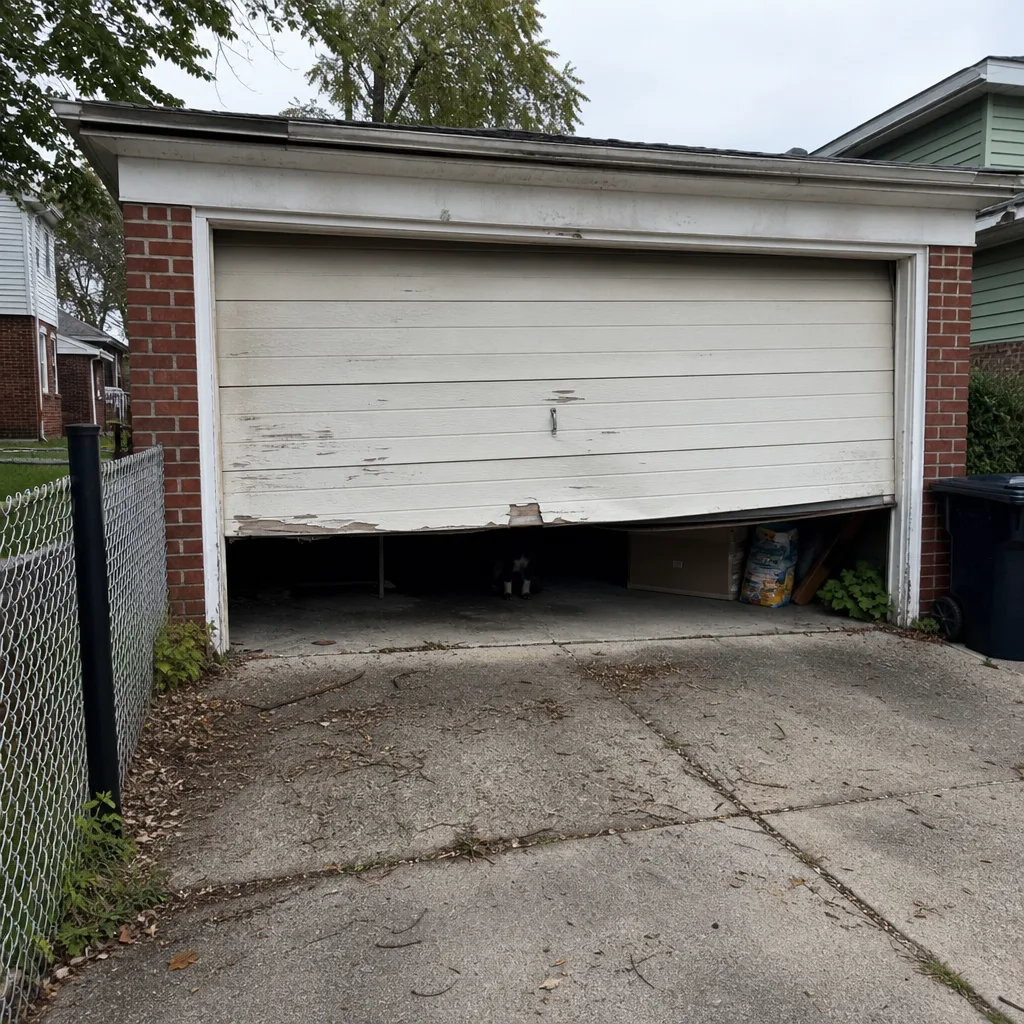 Before
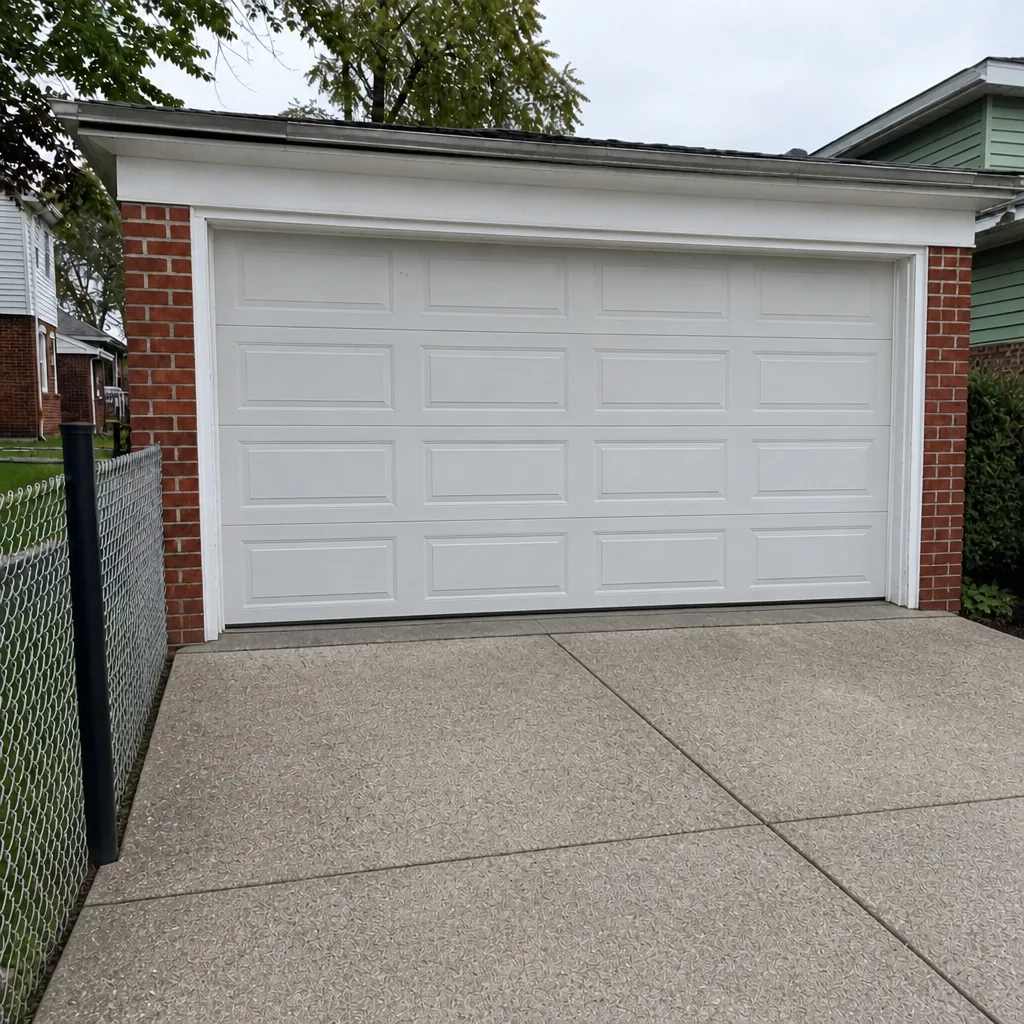 After
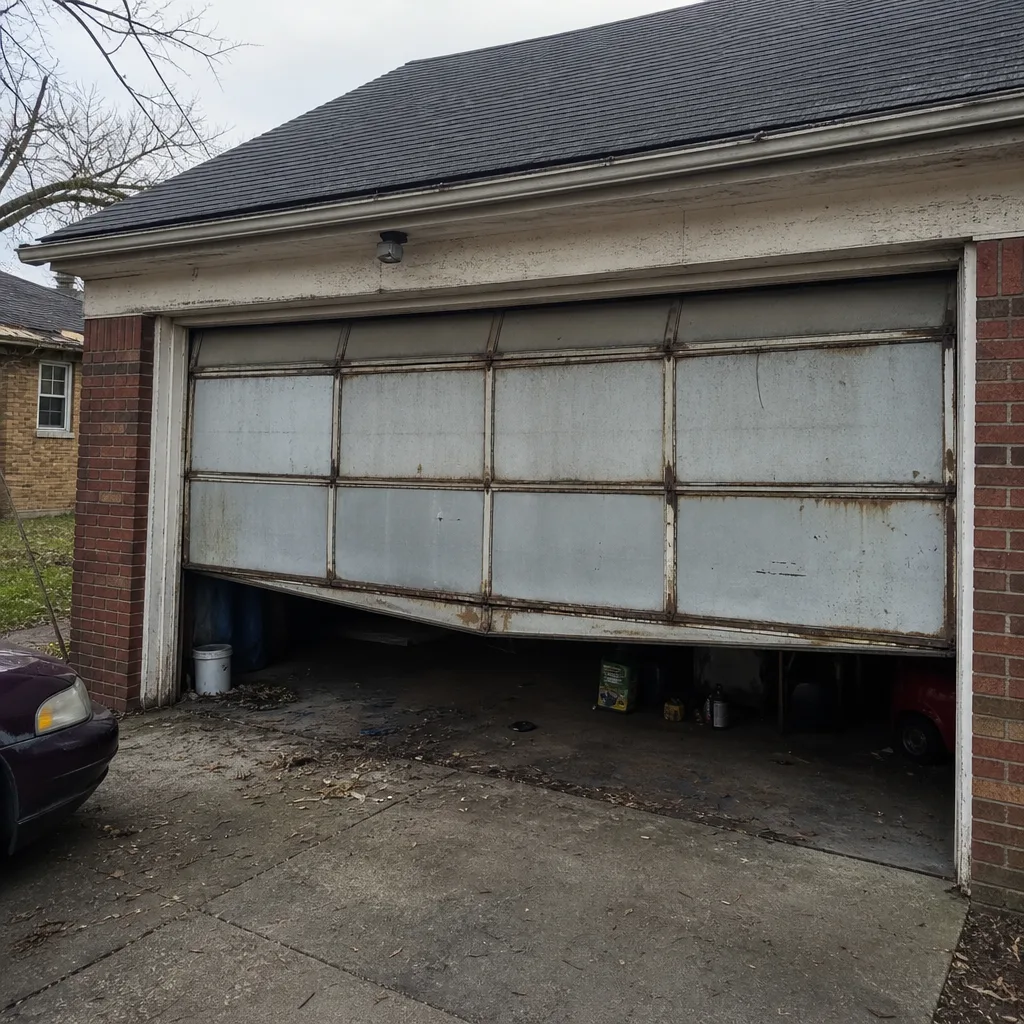 Before
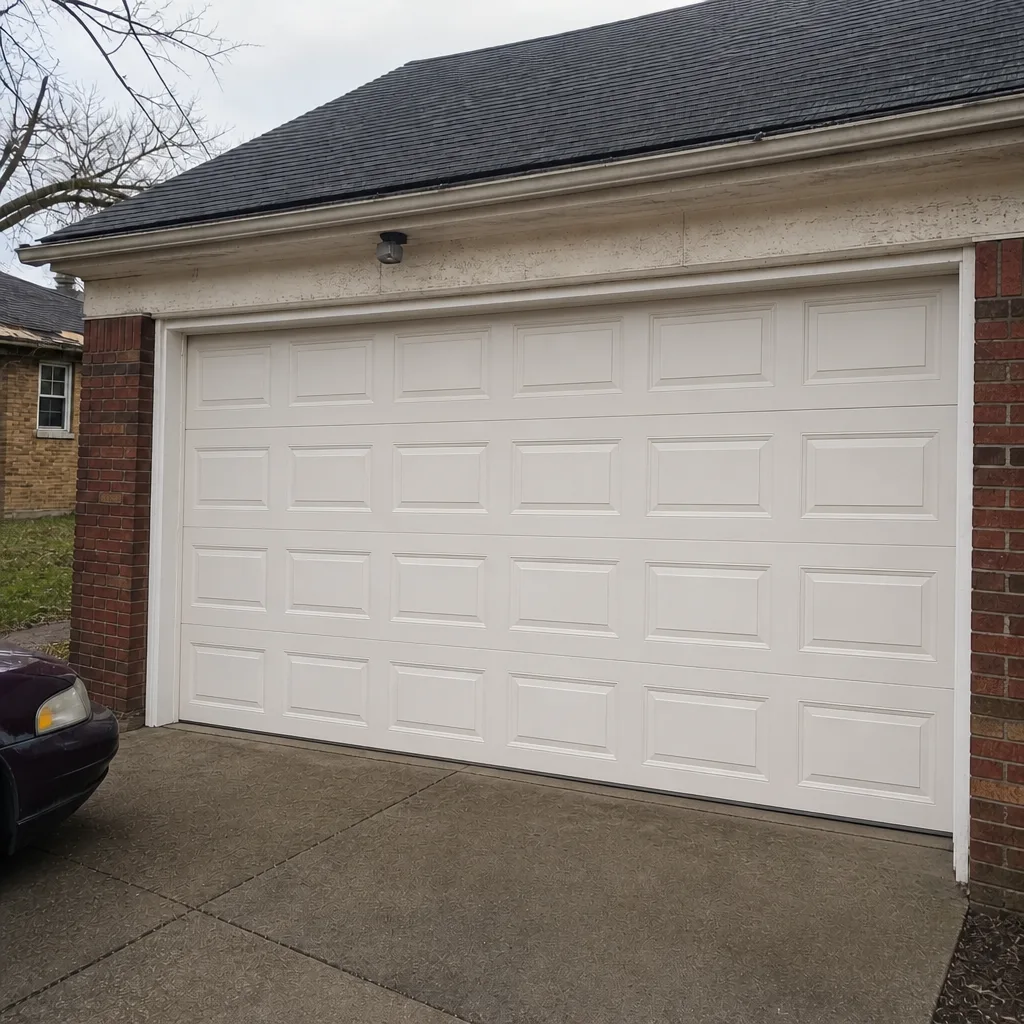 After
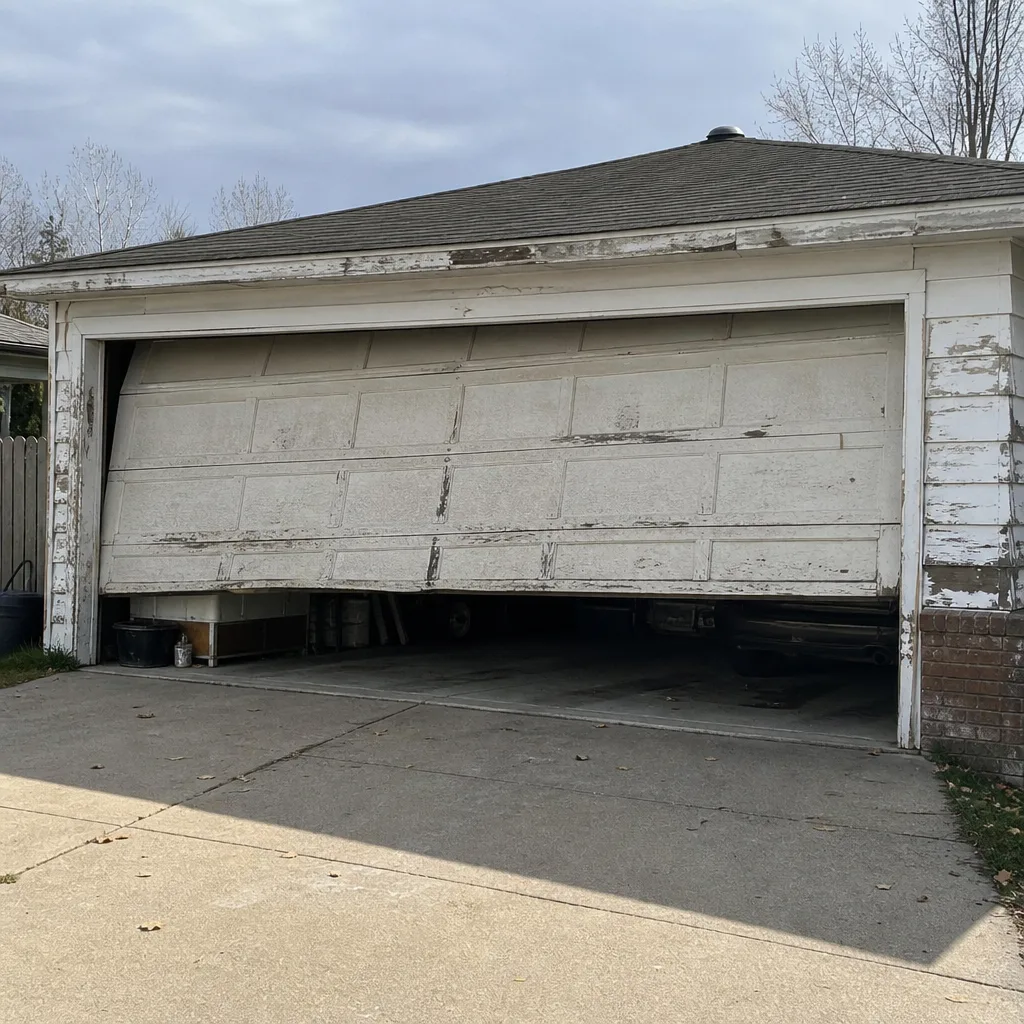 Before
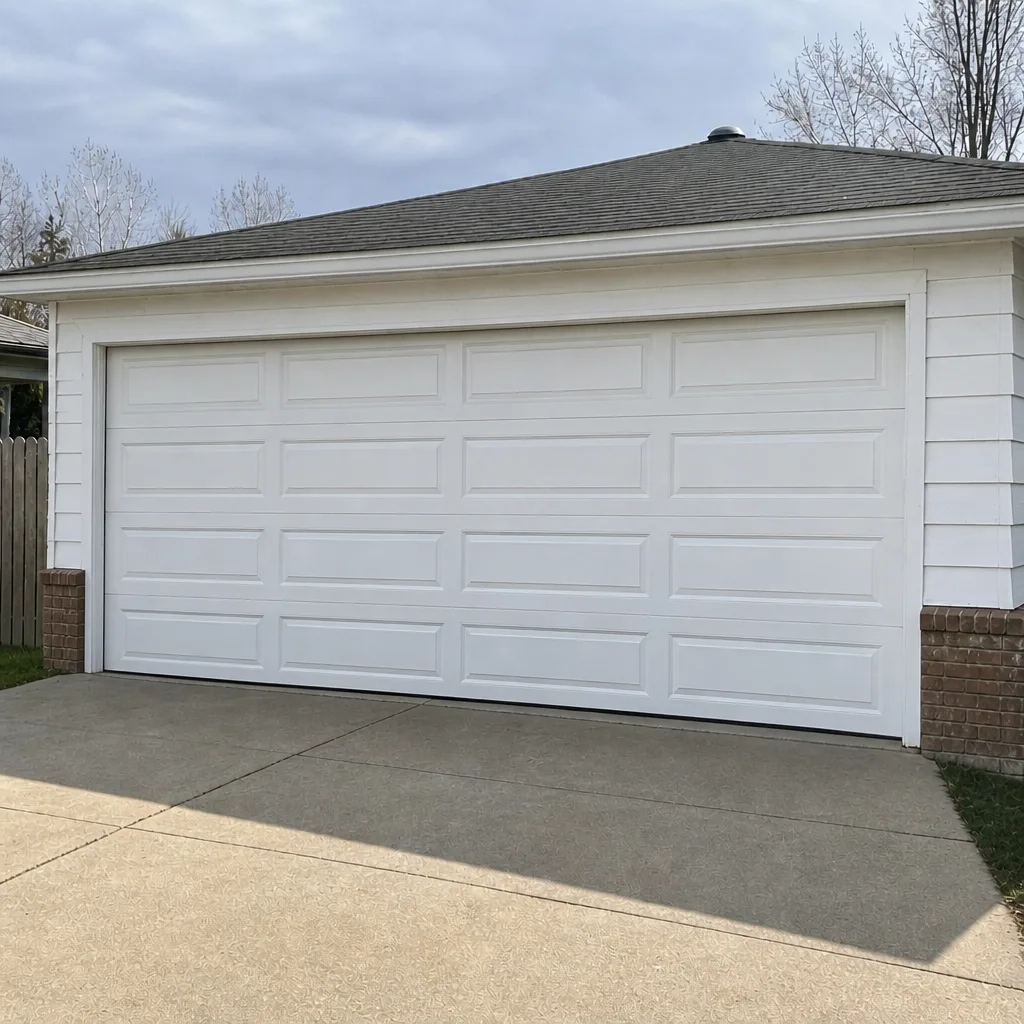 After
When to Call a Professional
Most of this schedule you can handle yourself. There are times when you should stop and call a trained technician. If you hear a loud bang from the garage and the door won’t lift, a spring has likely failed. That’s a call. If the door drops when you lift it by hand, the springs are losing tension. That’s a call. If the door moves unevenly, the track may be out of alignment. If the opener reverses on its own, runs but doesn’t lift the door, or the safety reverse fails, that’s an opener issue worth a diagnostic. If you see frayed or stretched cables, don’t touch them. If the door has been damaged by a car, a storm, or a falling branch, that’s a job for a technician. Vantage Garage Door Repair offers free estimates in Detroit – call (888) 804-9214. We work on what you already have, whether it’s a LiftMaster, a Genie, or a Craftsman, and we’ll tell you plainly whether a repair will do or whether a replacement is the better call. Call (888) 804-9214. We answer 24/7. Fast dispatch from 7am to 7pm, Sunday through Friday.
Frequently Asked Questions
Once a year for a professional inspection, plus a five-minute self-check every month. In Detroit, the annual inspection makes the most sense in the fall before the freeze, with a hardware check in April after salt season and a wood door check in July when humidity peaks.
Silicone spray for tracks and hinges, and lithium grease for bearings and spring contact points. Both stay fluid below 10°F. Standard WD-40 is the wrong call, because it’s a solvent that leaves metal dry and gets tacky in the cold, which is why doors that were “lubricated” in November can lock up in January. Call (888) 804-9214 if your door is already stiff.
You can do a lot of it, but some parts need a trained eye. Balance testing and track alignment you can check yourself. Spring tension, cable wear inside the drum, and opener gear condition need a technician, and springs and cables should never be adjusted by a homeowner because they’re under dangerous tension. These are all services in our garage door repair and opener repair categories, and an honest diagnostic tells you whether the annual visit is enough.
It depends on the cycle rating and how often the door runs. A standard spring has a rated cycle count, and a door that opens and closes four times a day wears through the rated cycles faster than a one-a-day door. Keeping the door balanced, not forcing it in cold weather, and replacing springs before they fail all extend their working life. If your door is stiff going into winter, have the springs checked.
Maintain in October before the freeze, then keep it light through winter. Winter is for watching and clearing snow and ice from the bottom edge, not for lubrication or adjustments. Any sign of strain in January is a reason to call a technician, not to add more lubricant.
Yes, and it’s easy to keep. A simple log of dates, work done, parts replaced, and who did it covers most warranty claims on doors and openers, and it’s useful documentation at resale disclosure. Keep it in the garage where you’ll actually think to use it. We keep records of every visit for our customers as well.
The Bottom Line
A garage door maintenance schedule in Detroit isn’t a generic quarterly checklist. It’s a year timed to the seasons: October prep before the freeze, April hardware inspection after salt season, July checks for humidity on wood doors, and a five-minute monthly self-check that catches most problems while they’re still tiny. Use the right lubricant (silicone and lithium, never standard WD-40), keep a written log, and book the annual professional inspection in the fall. Springs and cables need a trained technician, and everything else you can learn to watch. If anything on this schedule comes up short, we can help. Vantage Garage Door Repair offers free estimates in Detroit – call (888) 804-9214. We answer 24/7. Fast dispatch from 7am to 7pm, Sunday through Friday. You can also start with Vantage Garage Door Repair to see everything we do. Call (888) 804-9214 for a free estimate.
Written by the team at Vantage Garage Door Repair.