
Last updated November 15, 2026
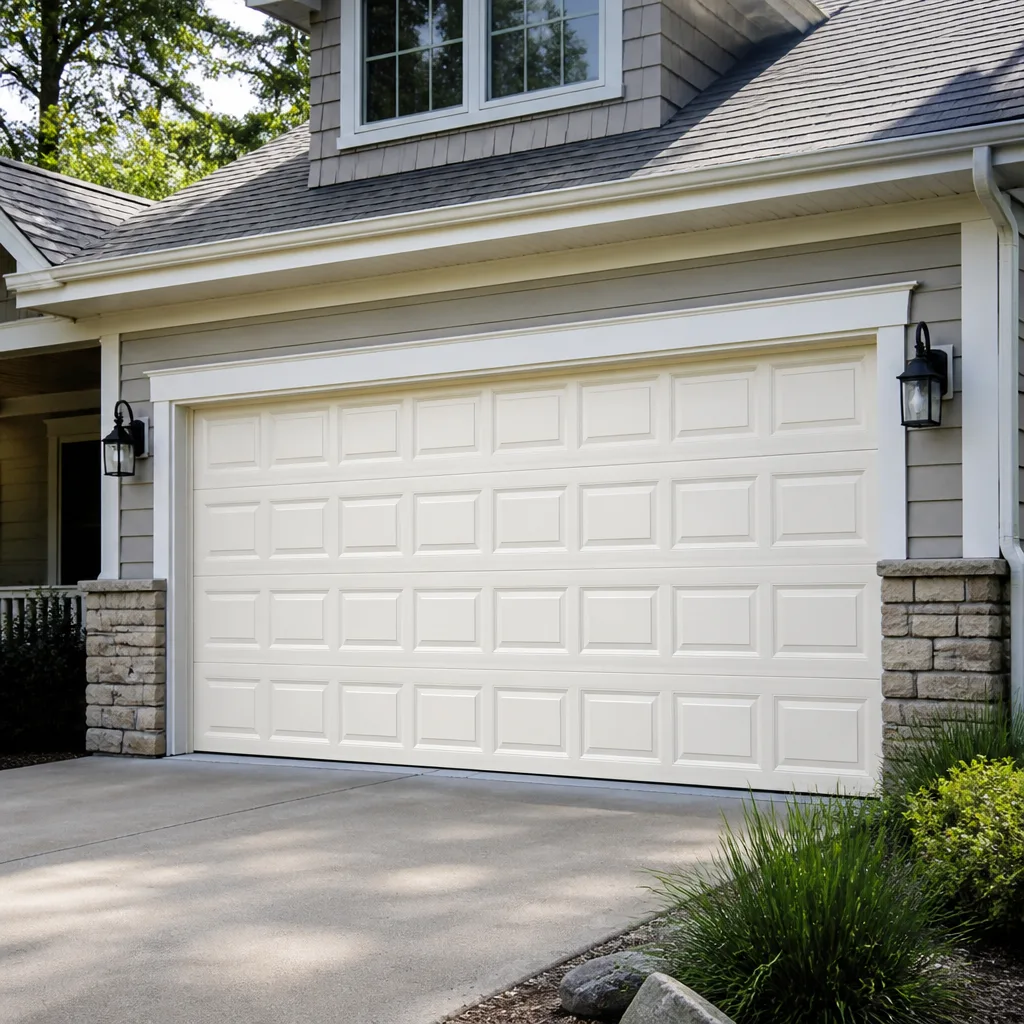 Raised-panel steel
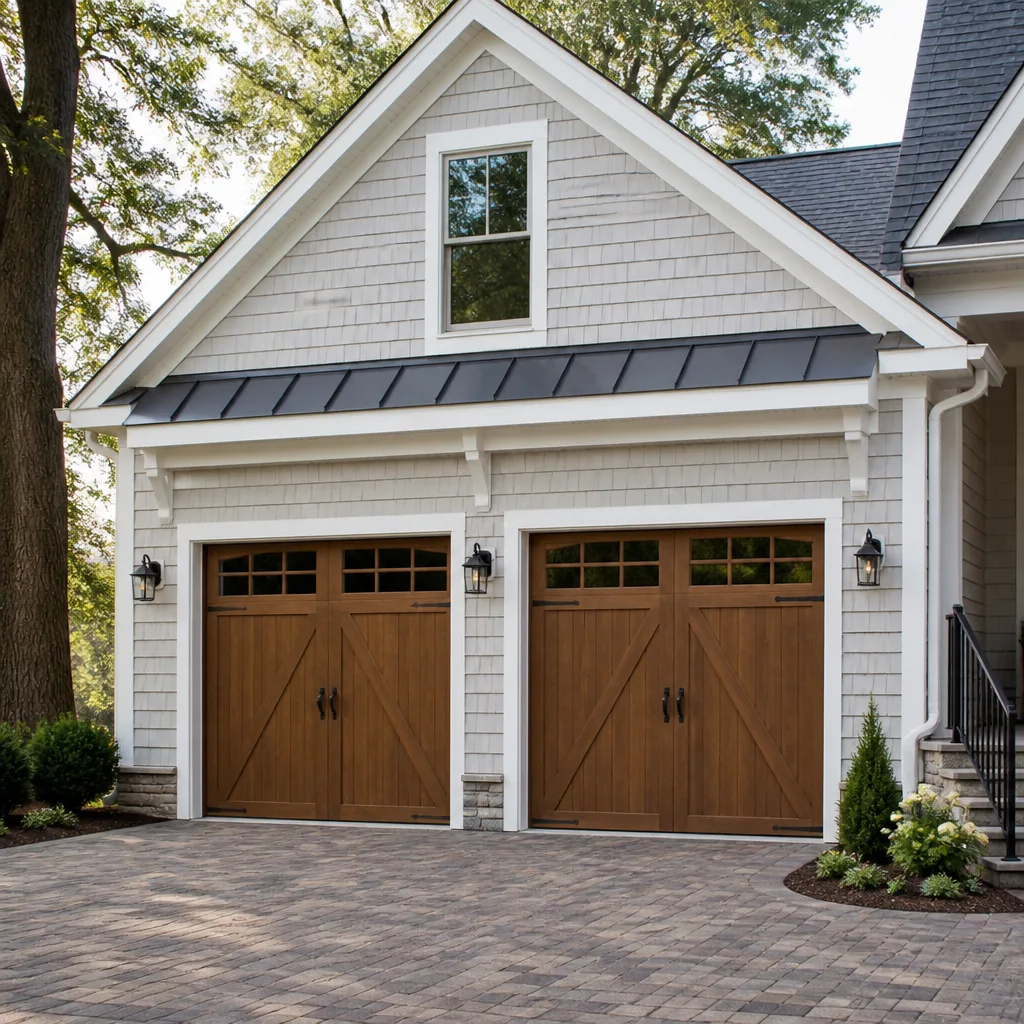 Carriage house
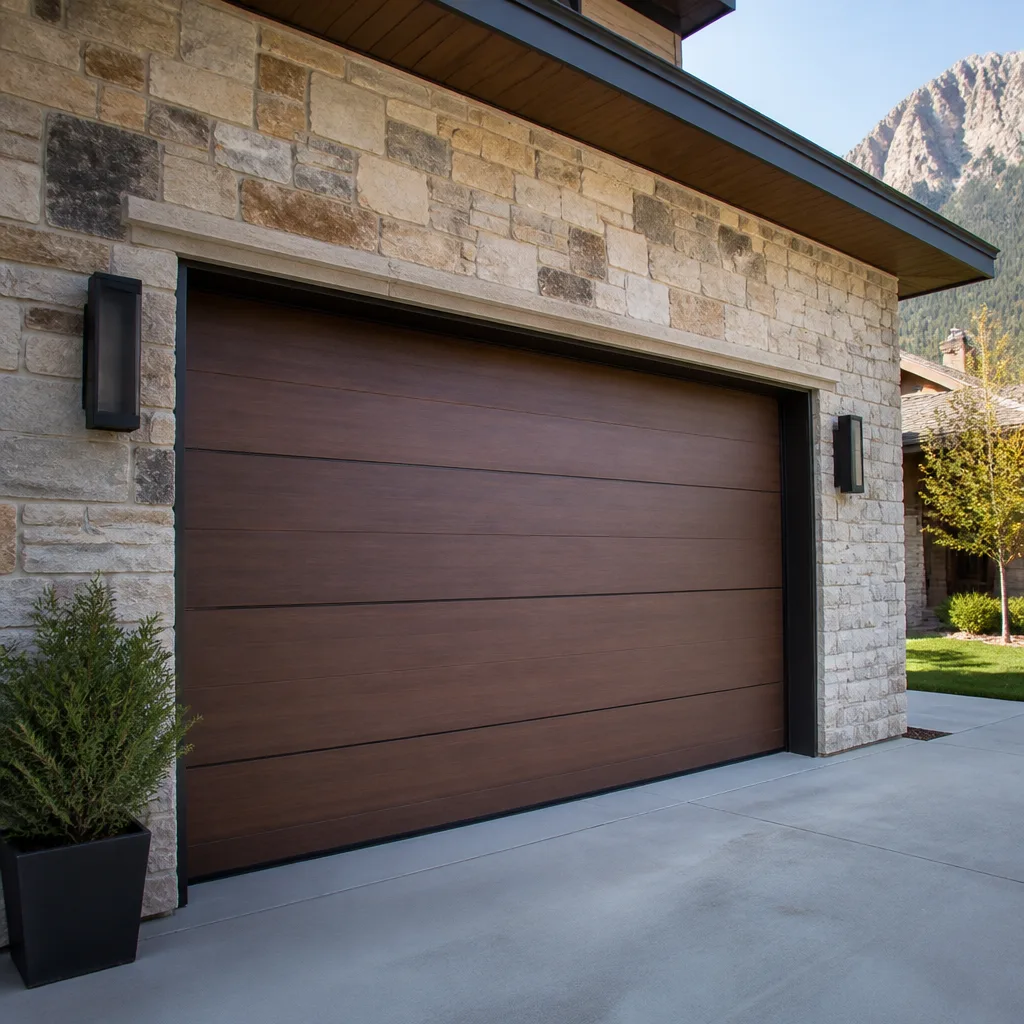 Modern flush
 Full-view glass
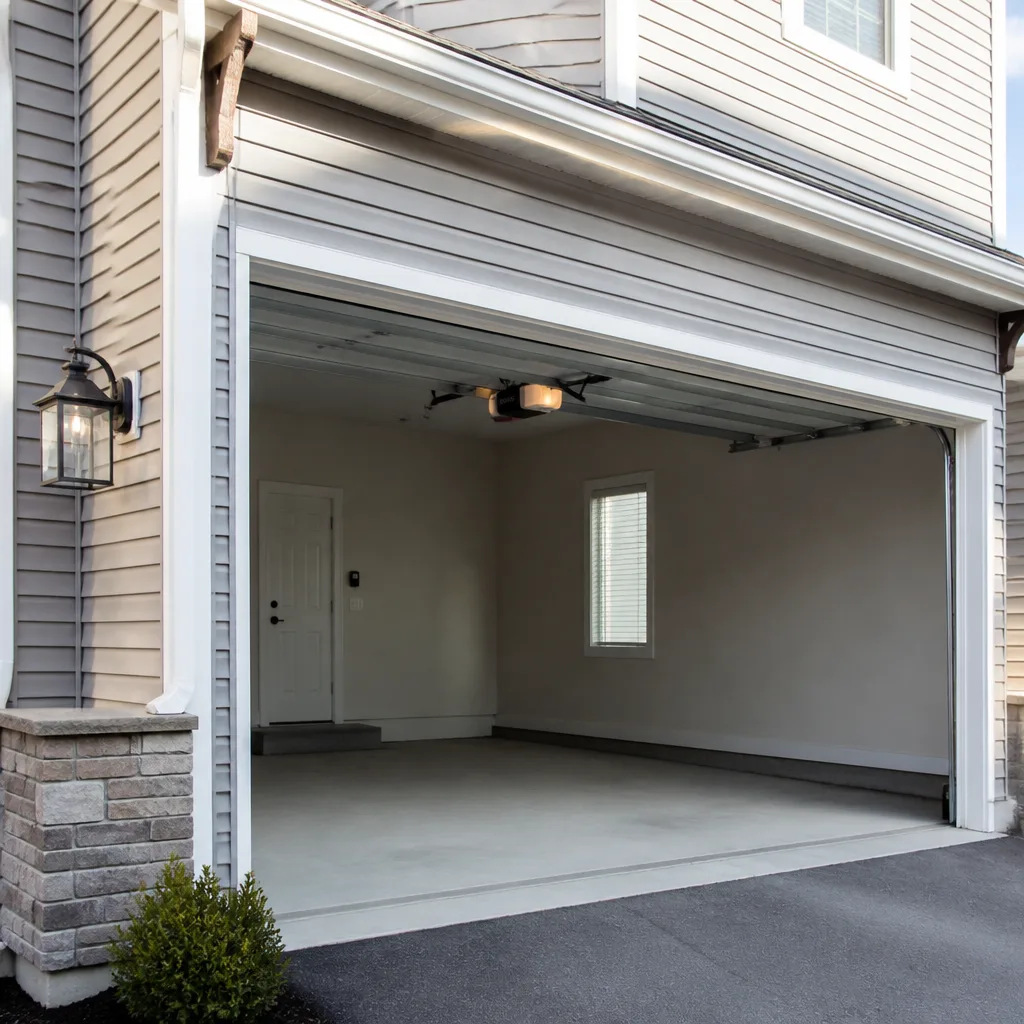 LiftMaster openers
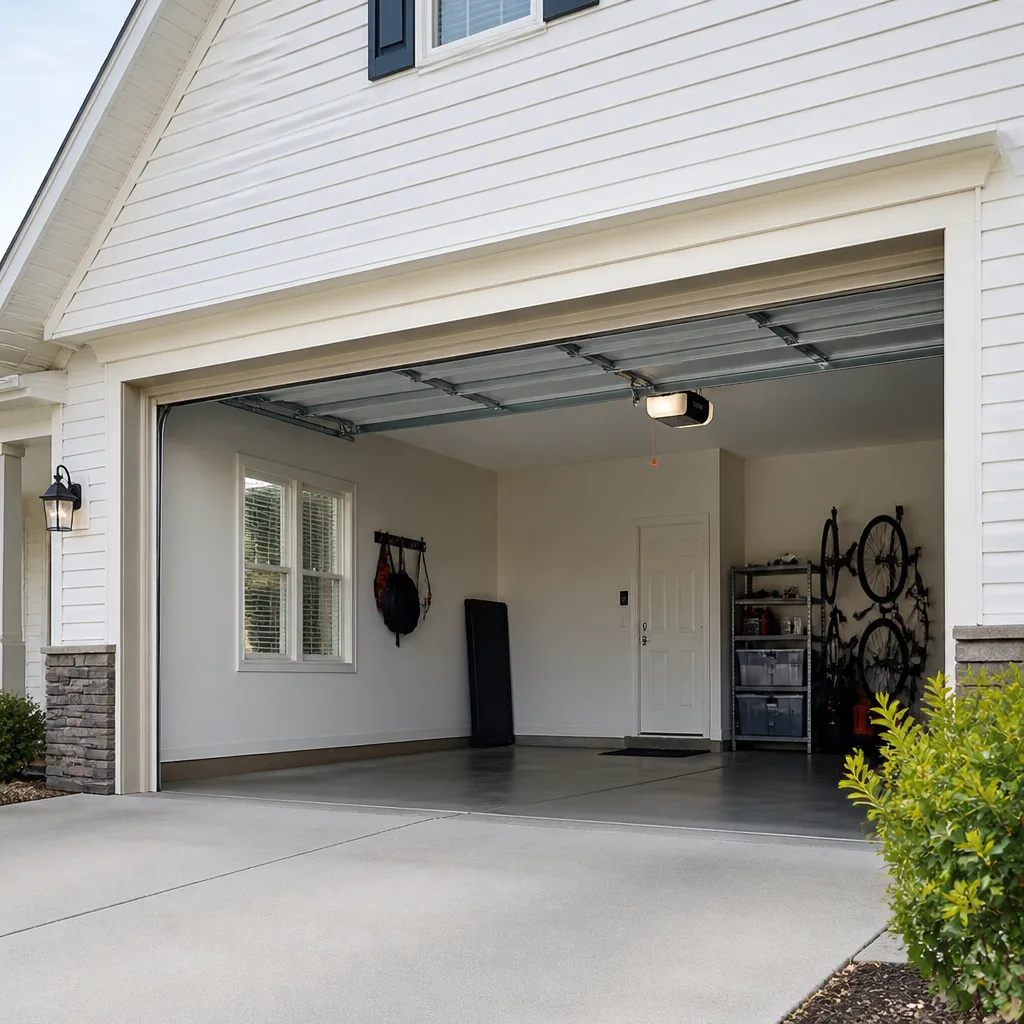 Chamberlain openers
Full 25-point door and opener safety check with every visit - springs, cables, rollers, tracks, and your LiftMaster or Chamberlain opener included
You get a price before we start. It does not change when the pro arrives.
Get your free estimateHow to Hire a Garage Door Contractor in Detroit: A Step-by-Step Guide
Asking a single-brand garage door dealer to recommend the best door for your home is like asking a Ford dealership if you should buy a Chevy. The right answer and the profitable answer are rarely the same. Detroit’s garage door market is split between dealers pushing their own inventory, handymen who underquote and overcharge, and out-of-state crews who chase major storm seasons and disappear. This guide gives you the questions, the verification steps, and the red flags to find neither of the first three types, and land on a true multi-brand specialist who fixes what you already own. We wrote it for Detroit homeowners who want the door working, not the door replaced.
Quick Answer
To hire a garage door contractor in Detroit, verify a state-licensed, insured company with the Michigan Department of Licensing and Regulatory Affairs (LARA), ask which brands they service rather than sell, and insist on a written line-item estimate before any work starts. Choose a multi-brand outfit that repairs, troubleshoots openers, and installs, so one company handles the whole system. The estimate is free and the price is set per job in writing, so the number you agree to is the number you pay.
Styles & brands we work with
- Raised-panel steel
- Carriage house
- Modern flush
- Full-view glass
- LiftMaster openers
- Chamberlain openers
Table of Contents
- Why the Detroit Garage Door Market Is Different
- The Five Contractor Types in Detroit and Their Conflicts of Interest
- How to Verify a Contractor Through Michigan’s LARA Database
- How to Decode a Garage Door Quote
- The Brand Portfolio Test
- Red Flags Specific to Detroit’s Market
- Repair or Replace? Choosing Objectively
- Questions to Ask Before You Sign
Why the Detroit Garage Door Market Is Different
Detroit is a city of older housing stock, severe freeze-thaw cycles, and a mix of owner-occupied homes and rental properties spread across neighborhoods from Rosedale Park to West Village to Southwest Detroit. That mix produces a garage door market unlike most metropolitan areas. Doors here are worked hard, exposed to winter temperatures that swing well below freezing and back, and often attached to aging openers that have never been serviced.
The practical result is that a large share of garage doors in Detroit need a competent repair rather than a full replacement. Yet the contractor mix rewards replacement. Single-brand dealers earn more on a new Clopay or Amarr install than on a spring repair. Generalist handymen bid low on an easy-looking job and then discover they’re out of their depth on a tracked door, a torsion spring, or a smart opener.
Freeze-thaw matters here. Winter contraction and spring expansion work on door hardware, panel seals, and the concrete below the bottom seal. The same door that moves smoothly in mild weather can bind, jump the track, or rack a panel once temperatures drop. In our experience, a Detroit homeowner who understands the local weather pattern asks better questions than one who’s just hoping for the cheapest bid. That’s the difference this guide is built around.
You’ll also find a high share of legacy openers, including older Craftsman belt and chain drives that were installed decades ago and are still running. These units are repairable, but they require a technician who knows the mechanical systems rather than one who only swaps a board on a modern Wi-Fi unit. Knowing what’s under the hood of your own system is the first step to hiring the right person. For the full picture of what repair work looks like in this city, see our garage door repair page.
The Five Contractor Types in Detroit and Their Conflicts of Interest
Every contractor who shows up to your Detroit home brings a built-in bias. Knowing which type you’re talking to tells you where their recommendation is likely to lean. Here are the five you’ll meet, and the specific conflict each one carries.
- The single-brand dealer. Sells Clopay or Amarr or Wayne Dalton, and only or mostly that brand. Conflict: every recommendation points toward their inventory, even when a repair to your existing door would be the right call. A door that’s failing on a track doesn’t need a new door. It needs a track repair. The dealer’s incentive says otherwise.
- The generalist handyman. Advertises garage door work alongside a dozen other trades. Conflict: bids low to win the job, then either underdelivers or charges for the problem discovered mid-job. Garage door systems are mechanical and electrical; a handyman without opener training is diagnosing blind.
- The out-of-state storm chaser. Appears after major wind or ice events, hands out flyers, and moves on. Conflict: no local accountability, no warranty you can chase, no reputation to protect. Michigan LARA verification is your only real protection here.
- The pushy opener specialist. Focuses only on the opener and treats a door problem as a reason to sell a new opener. Conflict: the door itself, the spring, tracks, or cables, may be the actual failure. An opener that strains to lift a binding door fails repeatedly until the door is fixed.
- The multi-brand specialist. Services all major brands, performs repairs, opener diagnostics, and installation under one roof. Conflict: minimal, because the recommendation isn’t tied to a single product line. This is the type most likely to give you an honest repair-vs-replace call, and the type most likely to be able to execute either outcome.
The pattern across all five is simple. The narrower the contractor’s product line, the narrower their recommendations will be. Narrow isn’t automatically bad. But for a Detroit homeowner who wants a specific problem diagnosed, a broad service portfolio is a much better signal than a single-brand sales floor.
How to Verify a Contractor Through Michigan’s LARA Database
Michigan licenses and regulates contractors through the Department of Licensing and Regulatory Affairs, and the LARA database is free and public. Before you sign anything in Detroit, look up the company. It takes five minutes and it’s the single most effective step in this guide.
Here’s how to do it in concrete steps:
- Go to the LARA website. Search for the “Licensing and Regulatory Affairs” lookup tool, then choose the contractor or skilled trades search. Don’t trust a link a contractor sends you; navigate directly.
- Search by company name and by license number. The company name should match the name on the estimate and on the vehicle. If the names diverge, ask why before you proceed.
- Confirm the license is active and not expired. A license listed as “lapsed,” “suspended,” or “inactive” is a stop sign. Look at the expiration date and make sure it’s in the future.
- Check the license classification. Michigan uses different classifications for residential, maintenance, and alteration work. Confirm the classification covers the work you’re hiring for.
- Look for disciplinary actions. LARA publishes complaint and disciplinary history. A single resolved complaint may not alarm you. A pattern of them should.
- Verify insurance separately. Ask for a certificate of insurance naming the general liability and workers’ compensation carriers. Call the carrier and confirm the policy is active. Don’t accept a screenshot; ask for a current certificate.
The safest phrasing during this step is short and direct: “Can you send me your LARA license number and a current certificate of insurance before we book?” A legitimate contractor answers within the hour. The storm chaser answers with a story. For a broader look at the company we run and what we verify, see Vantage Garage Door Repair.
How to Decode a Garage Door Quote
A golf-ball estimate over the phone is a wish, not a quote. The written estimate is the price. Here’s what separates a transparent bid from a padded one, line by line.
Look at the structure first. A clean estimate breaks out labor, parts, and any permit or disposal costs. A padded bid blends everything into a single lump sum, or lists vague phrases like “miscellaneous materials” and “shop supplies” without a dollar figure or explanation.
- Line-item parts. A transparent quote names the spring, cable, roller, or opener model. A padded quote says “spring system” or “hardware kit.” If the parts aren’t named, ask.
- Labor separated. Labor should have hours or a flat rate you can see. If labor is folded into a part markup, you can’t compare bids.
- Disposal fees stated. Removing an old door or opener involves disposal. It should be spelled out. A surprise disposal fee after the job is a common complaint.
- Permit line. If the work touches structural framing or electrical, ask your city’s building department what’s required. A quote that omits permits entirely when they’re needed is a red flag you’ll pay for later.
- No upsell pressure on the call. A fair contractor diagnoses first, then quotes. A quote that arrives before anyone has looked at the door is a sales number, not a repair number.
- Written scope. The estimate should state what’s covered, what’s not covered, and what happens if a second issue crops up. That last clause is where good contractors separate themselves.
Springs are a good example of why clarity matters. If your door has a torsion spring failure, most homeowners end up replacing both springs as a matched pair, which costs roughly twice a single-spring job. A transparent quote says that in writing. A padded quote quotes one spring and adds a second to the invoice after the technician arrives. Ask directly: “Does this quote cover one spring or a matched pair?”
The estimate is free. You should never see a trip charge, dispatch fee, or diagnostic fee on a fair Detroit quote, and the price you agree to before work starts is the price you pay.
The Brand Portfolio Test
Here’s the test most Detroit homeowners never think to run: ask the contractor which brands they service, not which brands they sell. The answer tells you more about competency than any review.
A contractor who sells one brand will tell you about that brand. A contractor who repairs many brands will tell you about the specific system in your garage. The questions differ. The first is a sales question, the second is a diagnostic question.
Run it like this. Call and say: “I have a [brand] opener and a [brand] door. Can you diagnose and repair that exact system?” A multi-brand specialist answers yes on both fronts, without hesitating, without steering you toward a substitute brand. A single-brand dealer usually can’t, or won’t. A generalist often guesses.
At Vantage we service eight of the most widely installed brands in residential markets: LiftMaster, Chamberlain, Genie, Clopay, Amarr, Wayne Dalton, Craftsman, and Raynor. That breadth matters because it removes the upsell bias. If your garage has a Wayne Dalton door and a Genie opener, a technician fluent across both fixes what you own rather than proposing a swap to a different line. If your opener is an older Craftsman with a mechanical drive, we can diagnose the failing component instead of recommending a full replacement because that unit isn’t in our inventory.
The brand portfolio test applies to the whole system: door panels, springs, cables, tracks, and opener. Ask about each. Also ask whether the contractor handles garage door opener repair in-house or refers it out. A referral mid-project means you’re re-explaining the situation to a different company, and no single company owns the final result. That’s a bad outcome on any Detroit garage.
Red Flags Specific to Detroit’s Market
Detroit’s contractor market has some specific hazards a national guide won’t warn you about. Watch for these, especially after severe weather.
- Out-of-state storm crews. After major wind, hail-adjacent, or ice events, out-of-state crews arrive with neatly printed flyers and start canvassing neighborhoods. They quote low, take a deposit, and are gone before the warranty window. If the company’s name doesn’t match a licensed LARA entry in Michigan, do not proceed. Hail itself is uncommon here, but storm and impact damage is real, and the scammers follow it.
- Cash-upfront demands. A legitimate contractor takes a deposit for materials on a full install, not for a repair. If someone wants cash for a spring replacement before touching the door, stop.
- No physical address or reference list in the state. Ask for past customers in Detroit you can talk to. Storm chasers won’t have them. Multi-brand specialists will.
- “Your door is unsafe” before anyone looked. A safety claim made over the phone, before anyone has seen the door, is a sales tactic. If a tech actually looks at the door and says it, listen, but ask them to explain what they see. Any spring, cable, or track safety concern should be described in specific terms, not marketing slogans.
- Single-brand recommendation on a repair. If a Wayne Dalton dealer tells you a Wayne Dalton repair isn’t worth it, get a second opinion from a multi-brand repair company.
- Refusal to put the quote in writing. Every estimate in Detroit should be in writing, line-item, and signed by both parties before work begins.
- No warranty in writing. Ask specifically what happens if the repair fails. “We stand behind our work” is not a warranty. A written statement of parts and labor coverage is.
Detroit has a strong local trade community and plenty of honest contractors. The red flags are the exception. But you only need one bad actor to make the guide worth reading, and the verification steps above are designed to keep you away from that one.
Repair or Replace? Choosing Objectively
Repair or replace is the biggest decision you’ll make on a Detroit garage door, and the wrong incentive structure pushes almost everyone toward replace. Here’s how to think about it objectively.
A repair makes sense when the failure is mechanical or electrical and isolated: a broken spring, a frayed cable, a door that’s jumped the track, a roller that’s worn, an opener with a bad logic board. These are fixable and a multi-brand technician can usually restore the door to full function in one visit, with fast dispatch from 7am to 7pm and same-day service on many jobs.
A replacement makes sense when the door itself is compromised on multiple fronts: significant panel damage, persistent seal gaps that no amount of adjustment fixes, an opener system so outdated that repair parts are impossible to source, and a door that’s structurally sagging. Even then, the decision should be made after a diagnostic, not before.
The right way to decide is to ask for a written repair-vs-replace comparison. Any contractor capable of doing either job can lay out what the repair costs, what the replacement costs, and what each is expected to deliver. That’s an unbiased estimate. A contractor who can’t do both is telling you what they can sell, not what you need. If you’re considering a new door, we’re happy to lay out both sides of the decision, and our Detroit installation team can execute a full install if replacement turns out to be the right call.
Questions to Ask Before You Sign
Bring this list to every estimate. The answers you get, and how they’re answered, tells you what you need to know.
- Can I see your LARA license number and a current certificate of insurance?
- Which brands do you service, not sell?
- How do you diagnose a door that’s binding, and what tools do you use?
- What’s included in this estimate, and what’s not?
- Is this a single-spring or matched-pair quote?
- Do you handle opener diagnostics in-house, or do you refer it out?
- What warranty do you provide on parts and labor?
- What’s the total I’ll be invoiced if nothing else turns out to be wrong?
- What’s the total if a second issue is found after you start?
- Is there any disposal fee or permit cost not shown in this estimate?
- Will the same technician who quoted this job perform the work?
- Are you willing to put all of this in writing before we start?
The best question is the last one. Anyone who’ll commit all of the above in writing is safe to hire. Anyone who won’t, isn’t. For more on the full scope of what a specialist handles, see our garage door opener repair and installation pages.
Common Mistakes to Avoid
- Choosing on lowest price. In Detroit’s market, the cheapest quote is frequently the bid that produces the biggest invoice. Ask what’s excluded before you compare two prices.
- Skipping LARA verification. Five minutes on the state database prevents almost every bad-outcome scenario in this guide. Do it before the estimate, not after.
- Taking a phone quote as final. A quote given before the technician sees the door is a guess. Insist on a written estimate after a diagnostic.
- Accepting a single-brand recommendation. If the contractor sells only one line, their repair-vs-replace decision is skewed. Always ask which brands they service.
- Paying a large deposit on a repair. Repair work doesn’t need a large upfront deposit. Full installs sometimes do, but a repair shouldn’t.
- Buying the story instead of the warranty. A verbal promise of “we stand behind our work” is worth zero after the crew leaves. Get the warranty in writing.
- Forgetting the freeze-thaw cycle. Detroit doors work differently in January than in July. Ask the contractor how they account for winter binding, seal compression, and temperature-related opener strain.
See the difference
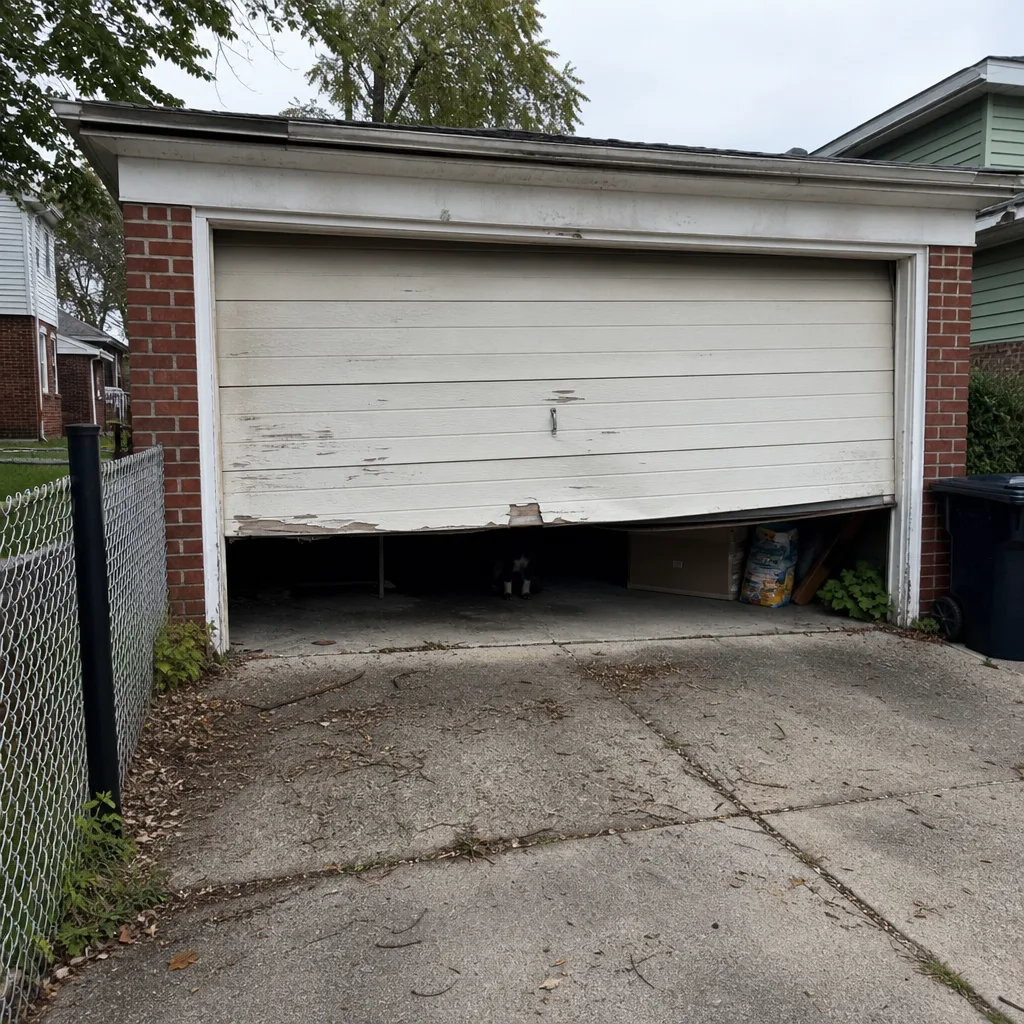 Before
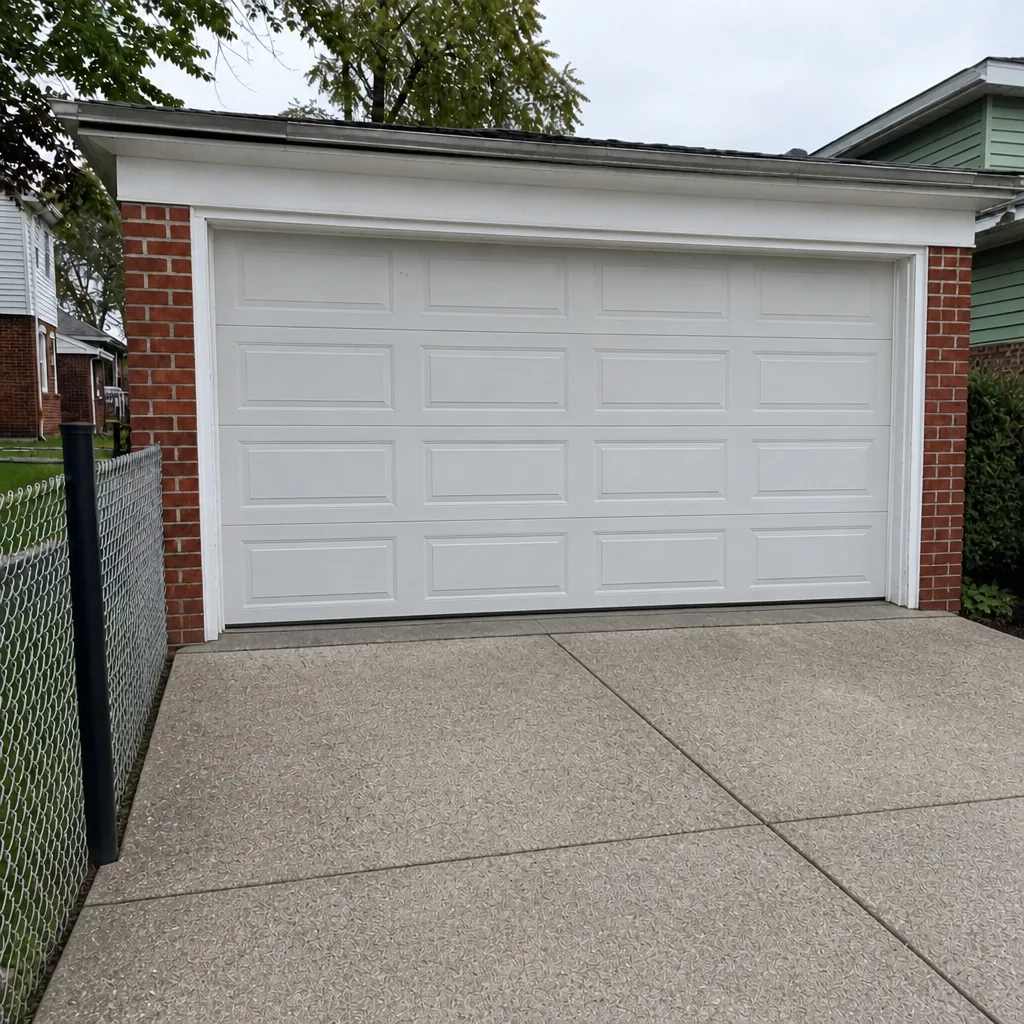 After
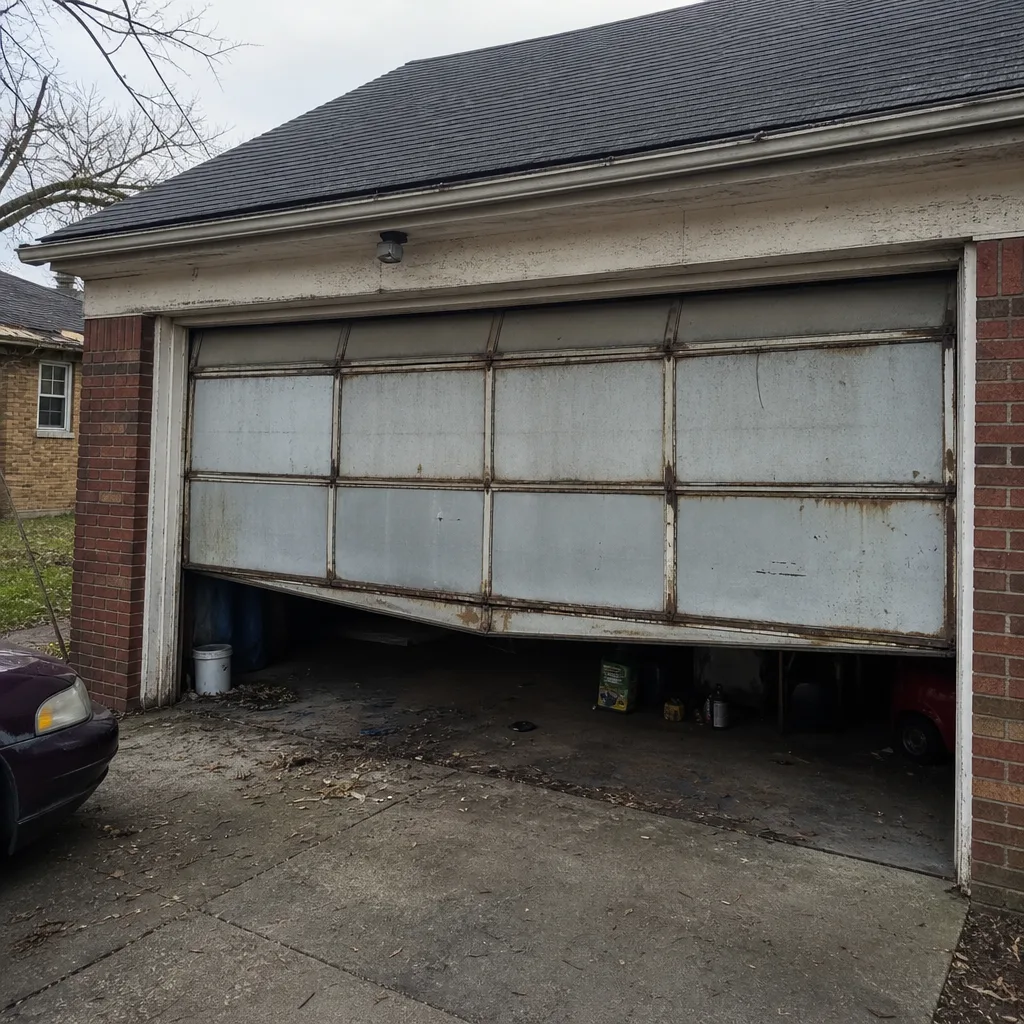 Before
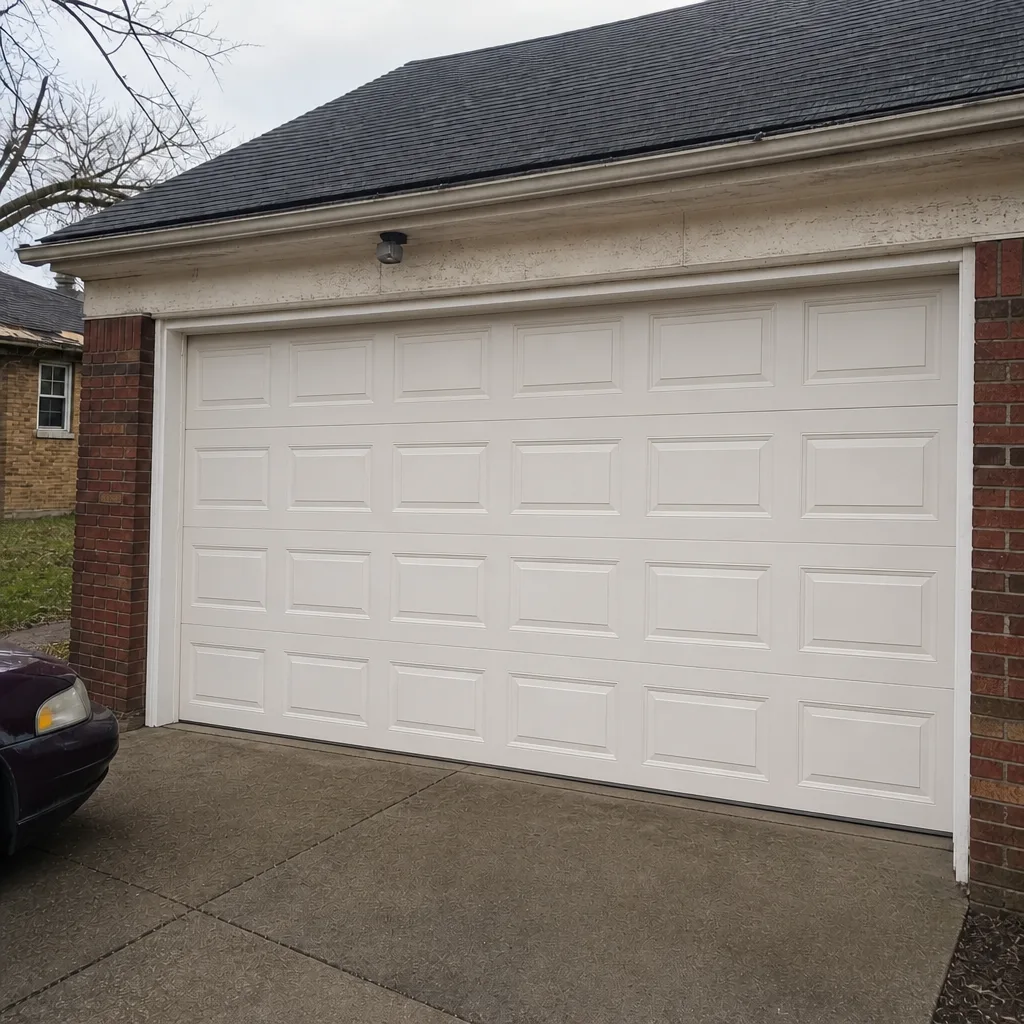 After
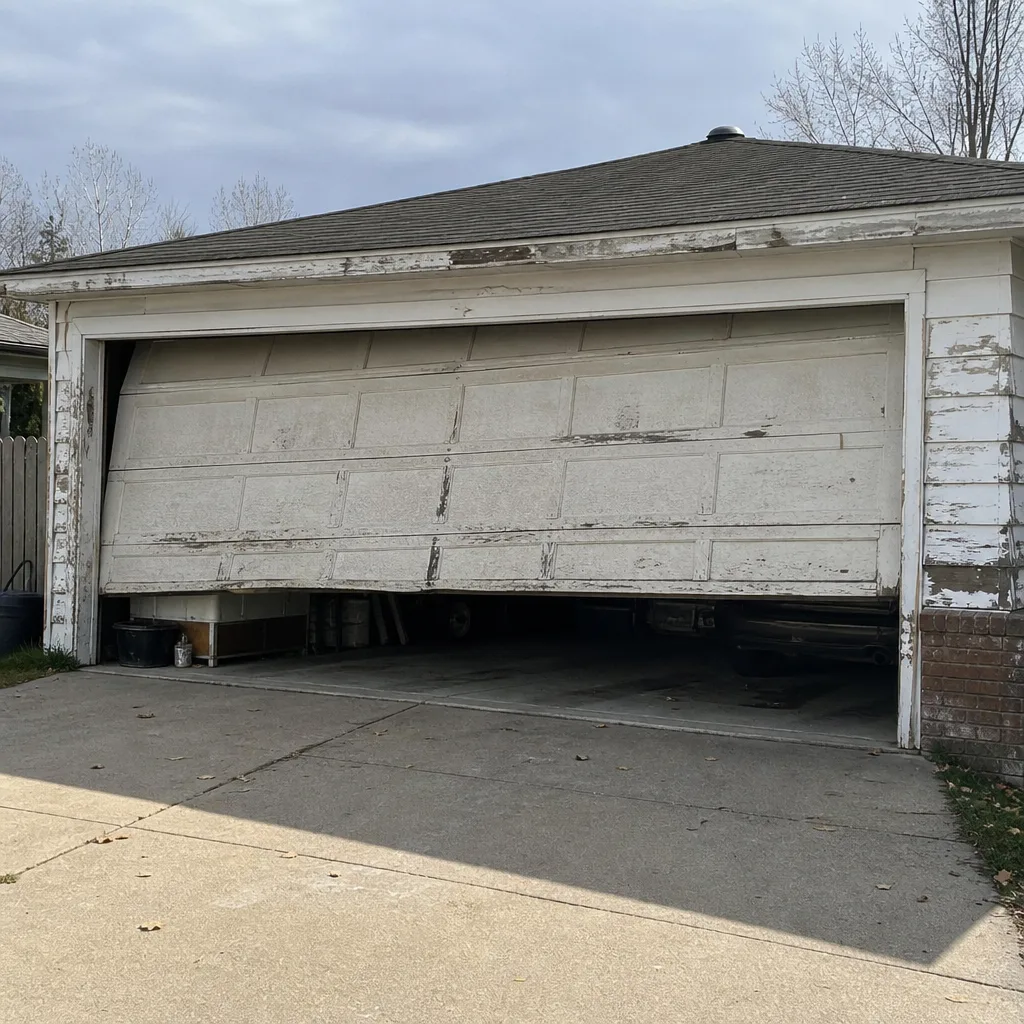 Before
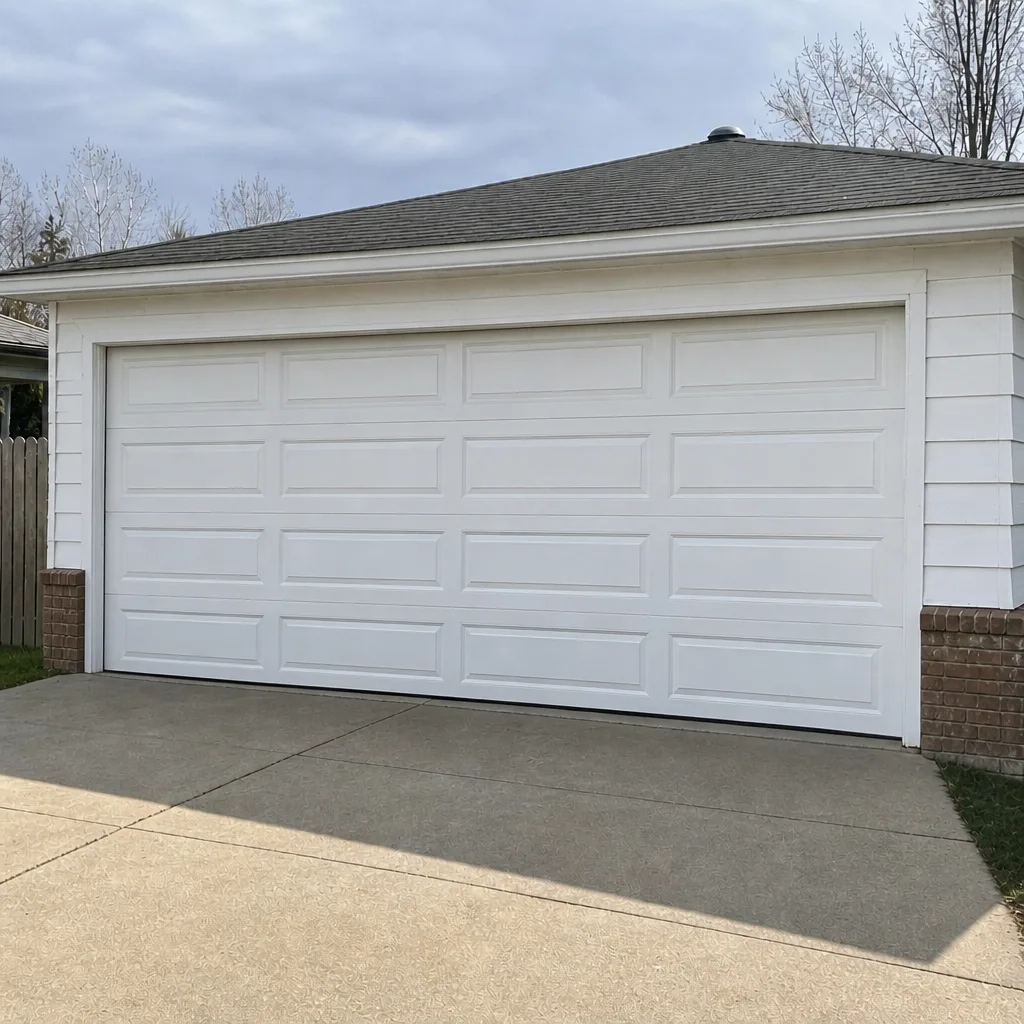 After
When to Call a Professional
Some garage door problems are a nuisance. Others are genuinely dangerous. A torsion spring that has snapped is under extreme tension even after it fails, and opening the door by hand or attempting to adjust the spring system yourself can cause serious injury. A door that has lost a cable, jumped both tracks, or dropped hard is a safety hazard and a strain on the opener. Electrical problems in the opener wiring are equally worth a professional’s attention. So is any door that has begun to sag, rack, or bind. Call a licensed professional rather than improvising. For those situations, Vantage Garage Door Repair offers free estimates in Detroit. Call (888) 804-9214. We answer 24/7, and fast dispatch runs from 7am to 7pm, Sunday through Friday, with same-day service on many repair calls.
Frequently Asked Questions
Verify a Michigan LARA license, confirm active insurance, ask which brands the contractor services rather than sells, and get a written line-item estimate before any work starts. Choose a multi-brand specialist so the recommendation isn’t tied to a single product line. Call (888) 804-9214 for a free estimate.
Common repairs like spring, cable, roller, and track work are priced per job and quoted in writing after a technician looks at the door. Spring replacements are typically quoted as a single spring or a matched pair, and a matched pair costs about twice a single-spring job. The written estimate sets the final price. Call (888) 804-9214 for an exact quote; estimates are free.
Stuck doors get priority and same-day service is often possible on repair calls. We answer 24/7 and dispatch from 7am to 7pm, Sunday through Friday. Call (888) 804-9214 and we’ll book the earliest opening.
No, the price you agree to in the written estimate before work starts is the price you pay. If the technician finds something the estimate didn’t cover, we stop and get your approval before proceeding. Call (888) 804-9214 for a free written estimate.
Yes, technicians who perform work under our name are licensed and insured, and we’re happy to provide current documentation on request. We work with homeowners in Detroit on brand-agnostic repairs and installations. Call (888) 804-9214 with any verification questions.
Ask about the exact brand installed on your door and opener. Common Detroit installations include LiftMaster, Chamberlain, Genie, Clopay, Amarr, Wayne Dalton, Craftsman, and Raynor. If the contractor can’t diagnose the brand you have, ask why. Call (888) 804-9214 and we’ll tell you exactly what we handle.
The Bottom Line
Hiring a garage door contractor in Detroit comes down to a short handful of steps: verify the LARA license and insurance, ask which brands they service (not sell), demand a written line-item estimate, confirm what the price includes and excludes, and ask for the warranty in writing. Avoid the single-brand dealer pushing a new door, the handyman guessing at opener electronics, and the out-of-state crew that disappears after the storm. Choose a multi-brand specialist who can diagnose the exact system you already own, and who can execute a repair or a replacement objectively when either is genuinely the right call. That’s the whole test.
Vantage Garage Door Repair handles garage door repair, garage door opener repair, and full installation under one roof. Our technicians have up to 14 years of experience and service eight major brands without upsell bias. The estimate is free, and the price is set per job in writing. Call (888) 804-9214 to book a free estimate. We answer 24/7, and fast dispatch runs from 7am to 7pm, Sunday through Friday.
Written by the team at Vantage Garage Door Repair.