
Last updated November 15, 2026
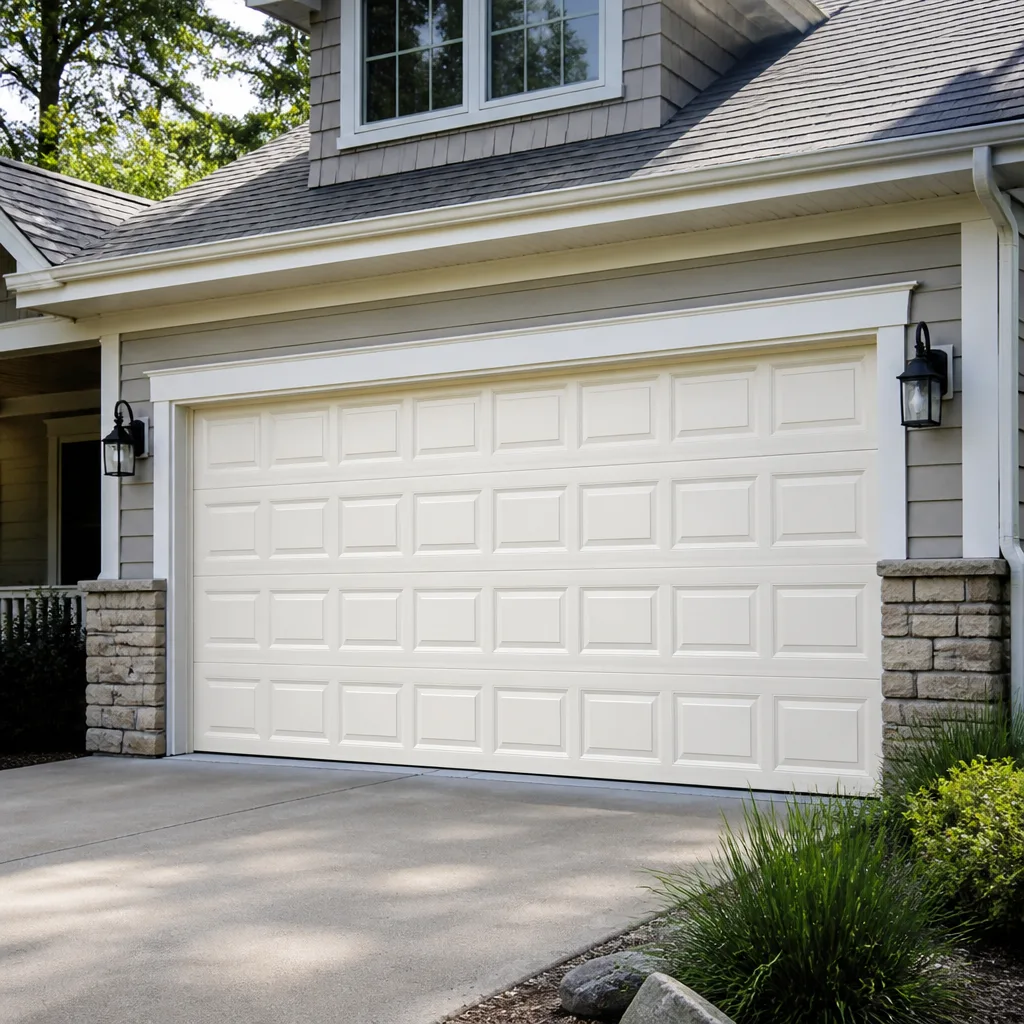 Raised-panel steel
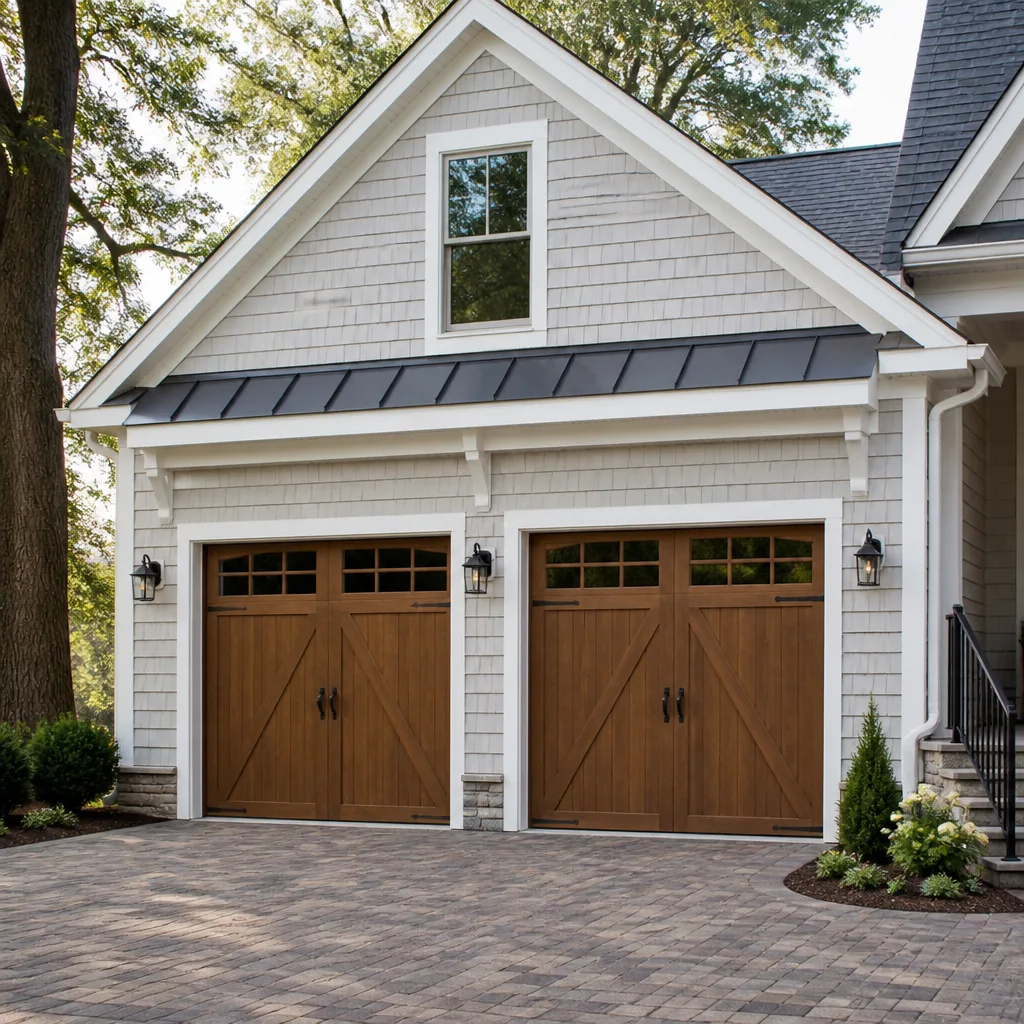 Carriage house
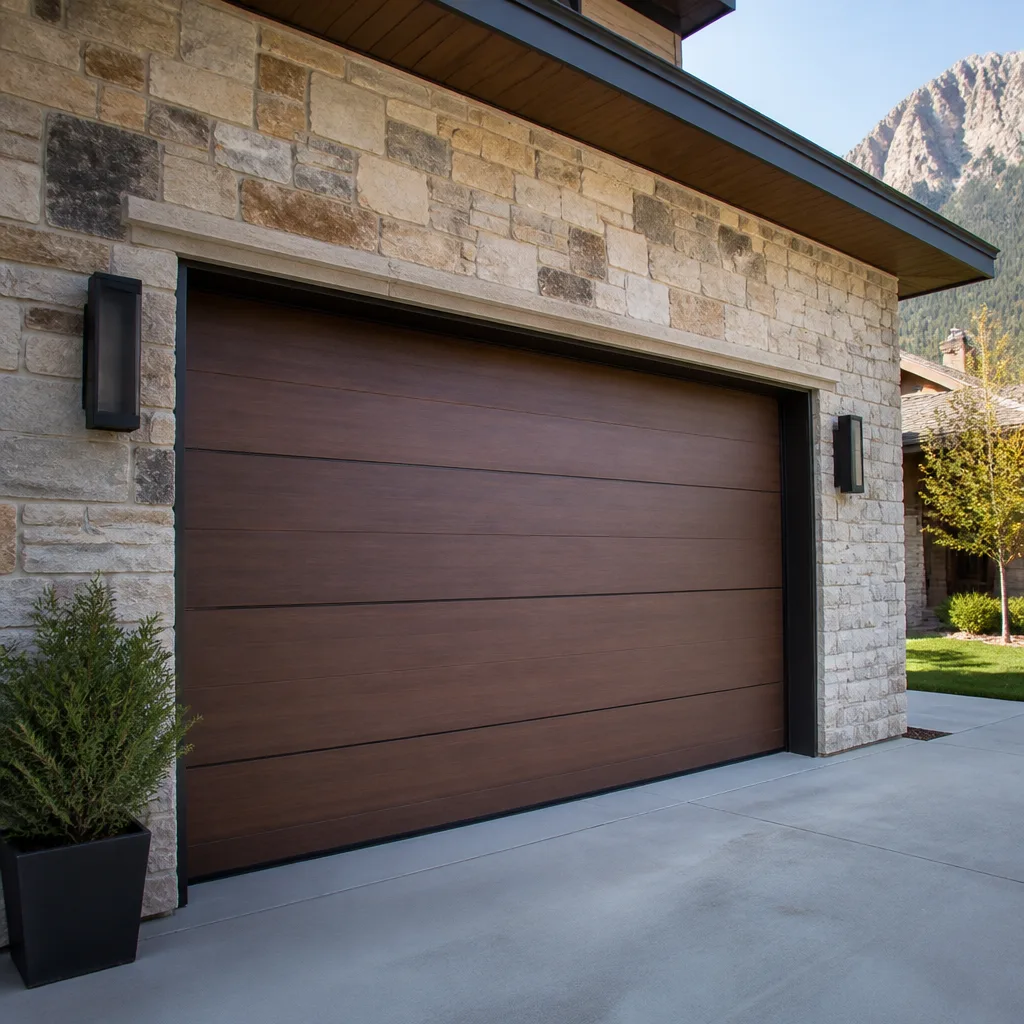 Modern flush
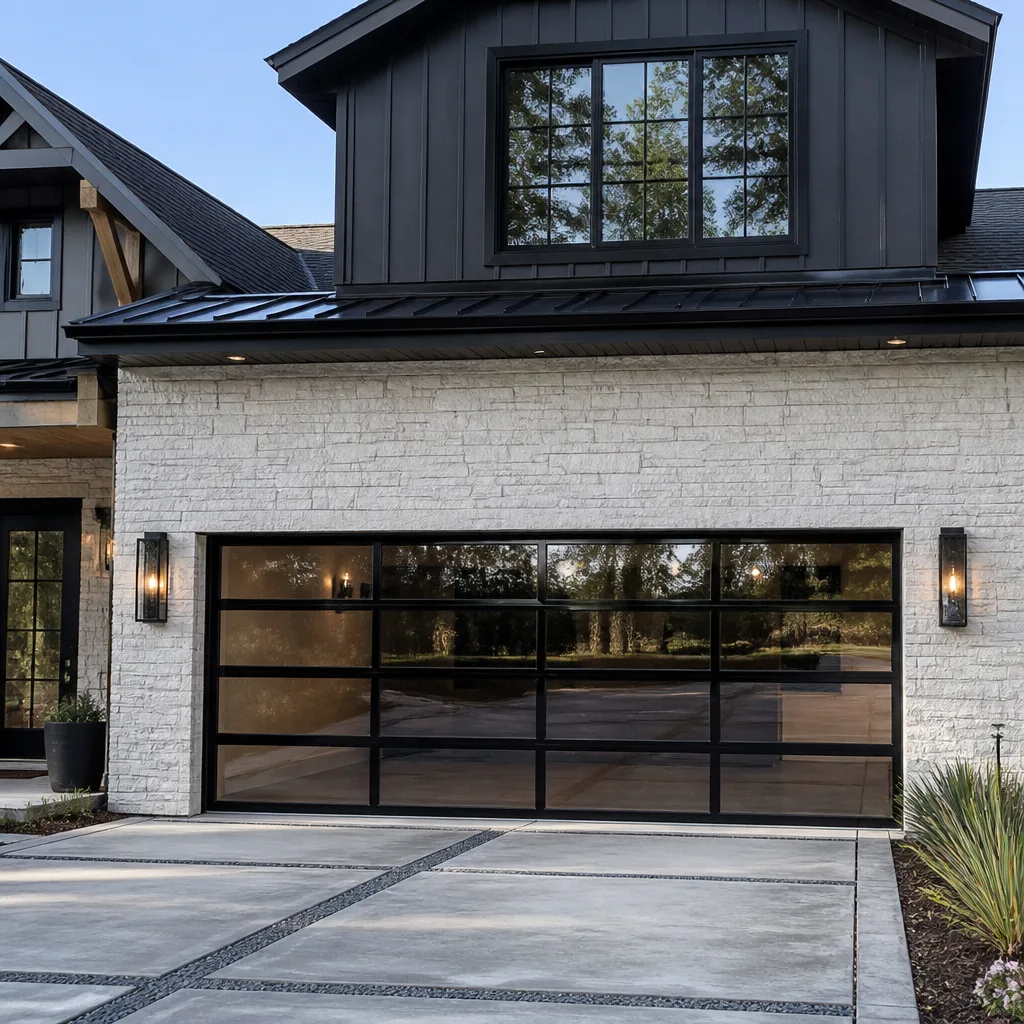 Full-view glass
 LiftMaster openers
 Chamberlain openers
Full 25-point door and opener safety check with every visit - springs, cables, rollers, tracks, and your LiftMaster or Chamberlain opener included
You get a price before we start. It does not change when the pro arrives.
Get your free estimateSeasonal Garage Door Care for Detroit: Year-Round Homeowner’s Guide
Most garage door maintenance advice treats the year as four equal seasons. In Detroit, that’s a mistake. Our climate doesn’t divide its work evenly. Fall and spring do the real damage, and the two seasons in between are mostly holding patterns. A door that gets careful attention in October and again in April will usually coast through summer and winter without much drama. A door that gets the same attention year-round, spread thin, tends to be the one that fails in February. This guide weights the calendar honestly, so you spend your effort where Detroit’s weather actually tests your door. You’ll learn what to check, when to check it, and the specific triggers that matter here.
Quick Answer
The most important seasonal garage door work in Detroit happens at two transitions: fall prep before the first hard freeze and spring inspection once the ice load releases. Fall is about tightening, lubricating, and testing before cold sets in. Spring is about spotting the wear that winter hid. Summer is a light check for humidity effects on wood doors, and winter is about operating your opener gently so ice-binding doesn’t burn out the motor. Everything else is minor.
Styles & brands we work with
- Raised-panel steel
- Carriage house
- Modern flush
- Full-view glass
- LiftMaster openers
- Chamberlain openers
Table of Contents
- Why Detroit’s Climate Is Hard on Garage Doors
- Fall Prep: The October and November Checklist
- Spring: The Most Critical Inspection Window
- Summer: Humidity and the West-Facing Door
- Winter: Opener Protocols During Ice-Binding
- Your Year-at-a-Glance Detroit Care Calendar
- What to Check vs. What to Leave Alone
- Common Mistakes to Avoid
Why Detroit’s Climate Is Hard on Garage Doors
Detroit’s winters are defined by one thing above all: the freeze-thaw cycle. The city sees an average of more than 40 freeze-thaw cycles per winter season. Each one expands and contracts metal hardware by fractions of a millimeter. On any single day that’s nothing. Over a season it compounds into misalignment, hairline cracking, and spring fatigue that shows up by March.
Here’s what that means in practice. The steel track that was perfectly straight in October may be a couple degrees off plumb by spring, not because anything hit it, but because it moved slightly dozens of times and never quite returned to where it started. The torsion spring that was holding fine at first frost is now working against more resistance. The weather seal that compressed in the cold no longer sits flush, so meltwater finds its way in.
None of this is dramatic. It’s cumulative. That’s exactly why timing matters more than effort. A homeowner who does a focused fall prep and a careful spring walkthrough catches problems while they’re cheap to fix. A homeowner who does a random tune-up in July often misses the two windows that actually set up the year’s wear.
Detroit’s housing stock adds its own variable. Older garages, common across neighborhoods from the east side to the west side, were often built with wood or wood-composite doors and dimensional lumber framing that moves with moisture. Newer builds lean toward steel and insulated composite. The seasonal rhythm is the same for all of them, but the failure points differ. Wood reacts to humidity. Steel reacts to temperature swings. Any technician who knows the local housing understands that these are two different conversations.
We work on what you already have, whether it’s a Craftsman opener on a decades-old wood door or a LiftMaster system on a newer steel door. The climate doesn’t care about the brand, but the care plan does.
Fall Prep: The October and November Checklist
Fall is the single most important season for garage door care in Detroit, and it splits cleanly into two phases: what you do in October and what you do in November. First hard freeze in this region typically lands somewhere from late October into early November, so October is your window to prepare and November is your window to verify.
October Tasks
October is about getting the door mechanically ready before cold locks things in place. This is the month to lubricate, tighten, and inspect while the door is still moving freely.
- Lubricate the moving metal. Apply a garage-door-rated lubricant to the hinges, rollers, and bearing plates. Cold thickens the wrong grease, so use something rated for low temperatures. This is the one step that most directly prevents stiff, groaning operation in January.
- Tighten the track hardware. Walk the full length of both tracks and check the bolts that hold them to the wall and header. They loosen over a summer of vibration. Snug them down, but don’t overtighten into stripped threads.
- Inspect the weather seal. Run a hand along the bottom seal and look for cracks, flat spots, or sections that no longer touch the floor. A seal that’s already failing in October will let in cold air and meltwater all winter.
- Clear the door’s path. Check that nothing obstructs the door’s travel, that the tracks are free of debris, and that the reversal system still works. Test the safety reverse by placing an object in the door’s path and confirming it reverses.
- Listen for changes. Compare how the door sounds now to how it sounded in spring. New grinding, popping, or hesitation is a flag worth writing down before winter makes it worse.
November Tasks
Once the first hard freeze arrives, the goal shifts to verification. You’re not going to be out there lubricating in a cold snap. November is about confirming the door is holding up as temperatures drop.
- Re-check the weather seal after the first freeze. Cold contracts materials, and a seal that looked fine in October may show a gap now.
- Test the opener’s force settings before ice becomes a factor. If the door is already struggling on a clear cold day, it will struggle more when ice binds it.
- Watch for frost or condensation on the inside of the door, which signals air leakage around the perimeter.
- Note any new noise that appeared after the first cold snap. That’s your baseline for the winter.
If something feels off during the November check, this is the right time to have it looked at. Getting ahead of a problem in early winter is far easier than fixing it in the middle of a cold stretch.
Spring: The Most Critical Inspection Window
Spring is when the damage winter caused becomes visible, and it’s the most important inspection of the year. The reason is simple: through the winter, ice and snow load hold the door and its hardware in a kind of frozen tension. When that load releases in spring, all the accumulated stress shows up at once. Problems that were hidden in February are suddenly obvious in April.
These are the specific patterns that only become clear after the ice load releases:
- Track misalignment. The freeze-thaw cycles from the winter have nudged the tracks out of plumb. Look down the length of each track like you’re sighting a rifle. Any visible bend or bow is worth flagging.
- Spring fatigue. A torsion spring that was holding fine in fall may now be noticeably weaker. If the door feels heavy, opens unevenly, or the opener strains to lift it, the spring is the likely cause.
- Cable wear. Cables that were tight in October can show fraying or slack in spring. This is a safety-critical item and never a do-it-yourself fix.
- Panel and seal damage. Winter moisture and ice can warp panel edges, split the bottom seal, and loosen the weather stripping around the frame.
- Roller wear. Cold makes rollers brittle, and a winter of stiff operation wears them faster than warm-weather use would.
Your Spring Walkthrough, In Order
- With the door closed, sight down both tracks for bends or misalignment.
- Disconnect the opener (pull the release) and lift the door by hand. It should lift smoothly and stay put when you let go at the halfway point. If it drops or feels very heavy, the springs need attention.
- Inspect the cables for fraying, kinks, or slack. Don’t touch them. Just look.
- Check the bottom seal and the frame weather stripping for splits and gaps.
- Reconnect the opener and run it through a full open-close cycle, listening for changes.
Spring is also the season when a lot of Detroit homeowners decide whether to repair or replace. If you’re weighing that call, this is the time to gather the facts, because a door that limped through winter is telling you something. We can advise on either outcome, and our brand-neutral approach means the recommendation fits your existing setup rather than a predetermined sales path.
A failed spring is the most common spring-time call we get. If you suspect yours is failing, see our guide to garage door repair for what to expect.
Summer: Humidity and the West-Facing Door
Summer in Detroit is a holding pattern for most garage doors, but it has one real threat: humidity. The city’s summers run humid, and that humidity does its worst work on wood and wood-composite doors, particularly on west-facing garages that take the full force of afternoon heat.
The mechanism is straightforward. Wood and composite doors absorb moisture from the air, expand slightly, and then dry out and contract as afternoon heat bakes the west-facing face. Over a summer of this cycling, the door can warp, the panel joints can open, and the finish can blister. A west-facing door in full afternoon sun takes the brunt of it.
What to Check in Summer
- Look for warping on the sun-facing side. Run a straightedge across the panels and check for bowing or cupping.
- Check the finish. Any peeling, blistering, or bare spots on a wood or composite door will let moisture in faster. A fresh coat of exterior finish before the wet season does a lot of work.
- Watch the panel joints. Gaps that open in dry heat and close in humidity are a sign the door is moving with the weather.
- Keep the tracks clean. Summer debris and dust build up in the tracks. A quick wipe-down keeps the door running smoothly.
- Test the opener. Summer heat can stress opener electronics. Run the door through a few full cycles and check that the safety reverse still works.
Steel doors resist humidity far better, which is one reason they’re common on newer builds. But steel has its own summer issue: heat expansion can make a tight-fitting door bind slightly in the afternoon. If your steel door sticks only on hot afternoons, that’s usually expansion, not a failing mechanism, and it’s worth having checked so you know which it is.
If you notice your opener struggling or your door binding in the heat, our garage door opener repair page covers what’s usually going on.
Winter: Opener Protocols During Ice-Binding
Winter is the season your opener does the most work under the worst conditions. Ice-binding, where the door’s bottom seal freezes to the floor or the tracks ice up, is the main event. The key to surviving it is understanding your opener’s force settings before the ice arrives.
Openers have a force adjustment that determines how hard the motor pushes to move the door. When ice binds the door, the opener has to push harder than normal. If the force setting is too low, the opener will reverse or stall. If it’s set too high to compensate, the motor can overwork and burn out. The right answer is a setting that’s calibrated to your door’s normal operation, so that when ice adds resistance, the opener still has headroom without straining.
Winter Operating Protocols
- Set force before the freeze. Have your opener’s force adjusted in fall, while the door is operating normally. Don’t wait until it’s already struggling.
- Clear ice from the threshold. Keep the area under the door free of ice buildup so the seal doesn’t bond to the floor. This alone prevents most ice-binding events.
- Don’t force a frozen door. If the door won’t open, don’t hold the button and make the opener grind. That’s how motors burn out. Clear the ice, then try again.
- Watch for opener strain. A door that opens slowly or hesitates in cold weather is telling you the force setting or the door’s mechanical condition needs attention.
- Keep the tracks clear of snow and ice. Ice in the tracks causes misalignment and can damage rollers.
If you have a LiftMaster or Chamberlain system with smart features, check that the operator’s force and travel limits are set correctly before winter. Older mechanical units like many Genie and Craftsman openers need the same attention, just with a different adjustment process. We handle the full range, from legacy mechanical systems to current Wi-Fi-enabled openers.
Winter is also when a door that’s been marginal all year finally fails. If your door gives out in the cold, we answer 24/7. A call outside dispatch hours is booked into the next opening, Sunday through Friday, 7am to 7pm.
Your Year-at-a-Glance Detroit Care Calendar
Here’s the whole year, weighted the way Detroit actually works. Notice that fall and spring get the most detail, because that’s where the failures come from.
- October (heavy): Lubricate hinges, rollers, and bearings. Tighten track hardware. Inspect and replace the bottom seal. Test the safety reverse. Listen for changes.
- November (medium): Re-check the seal after the first freeze. Test opener force settings. Watch for frost and condensation. Note any new noise.
- December through February (light): Keep the threshold and tracks clear of ice and snow. Don’t force a frozen door. Watch for opener strain. Book a service call if anything hesitates.
- March (medium): Begin watching for the effects of the ice load releasing. Note any new misalignment or heaviness.
- April (heavy): Full spring inspection. Sight the tracks, test the door by hand, inspect cables, check seals and rollers. Decide on repair vs. replace if needed.
- May (light): Follow up on any spring findings. Address panel or finish damage before summer.
- June through August (light): Check for humidity warping on wood and composite doors. Refresh exterior finish. Keep tracks clean. Test the opener.
- September (light): Transition check. Confirm the door is ready for the fall prep cycle.
The pattern is deliberate: two heavy seasons, two medium transition months, and the rest holding patterns. If you only do the fall and spring work, you’ll cover the vast majority of what matters in Detroit.
What to Check vs. What to Leave Alone
There’s a clear line between what a homeowner can safely inspect and what requires a trained professional. Crossing that line is where people get hurt.
Safe to Check Yourself
- Lubricating hinges, rollers, and bearing plates.
- Tightening track bolts.
- Inspecting and replacing the bottom weather seal.
- Testing the safety reverse function.
- Sighting the tracks for visible bends.
- Checking for warping, cracks, and finish damage on panels.
- Clearing ice, snow, and debris from the threshold and tracks.
Leave to a Professional
Torsion and extension springs, and the cables that run with them, are under extreme tension. They can cause serious injury if handled without the right tools and training, and a spring that lets go unexpectedly is dangerous even to be near. Never attempt to adjust, remove, or replace a spring or cable yourself. The same goes for opener electrical work and any track repair that requires the door to be under load. If you suspect a spring or cable problem, stop and call a trained professional.
We’ve seen the results of well-intentioned DIY spring work, and it’s never worth the risk. Our technicians have up to 14 years of experience with the full range of door and opener systems, and we diagnose the whole assembly, not just the obvious failure.
Common Mistakes to Avoid
- Treating all four seasons equally. Spreading your effort evenly across the year means you under-prepare for fall and under-inspect in spring, right when Detroit’s climate does the most damage.
- Waiting for the first freeze to prep. Once the cold sets in, lubricating and adjusting is harder and less effective. October is the window, not November.
- Skipping the spring inspection because the door “seems fine.” Winter damage often hides until it compounds. The spring walkthrough is where you catch it while it’s cheap to fix.
- Cranking up the opener’s force to fight ice. Overcompensating with force settings is a common way to burn out a motor. Set force correctly in fall and clear ice instead.
- Ignoring humidity on a west-facing wood door. Summer warping and finish damage on the sun-facing side is easy to miss until the panel has already moved.
- Attempting spring or cable work yourself. This is the most dangerous mistake on the list and the one most likely to cause injury. Springs and cables are a professional job.
- Assuming a brand switch will fix the problem. If your Craftsman or Raynor opener is struggling, the issue is usually the door’s mechanical condition, not the brand. Diagnose before you replace.
See the difference
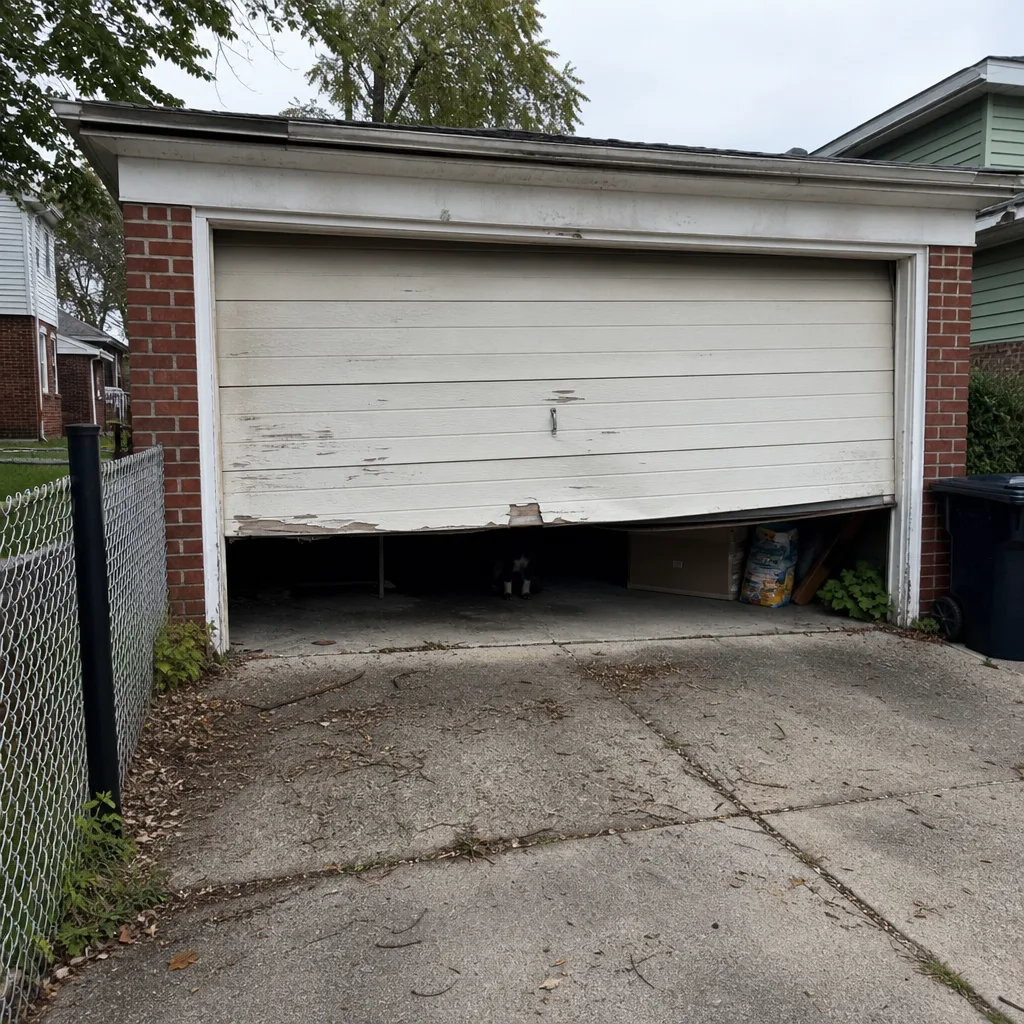 Before
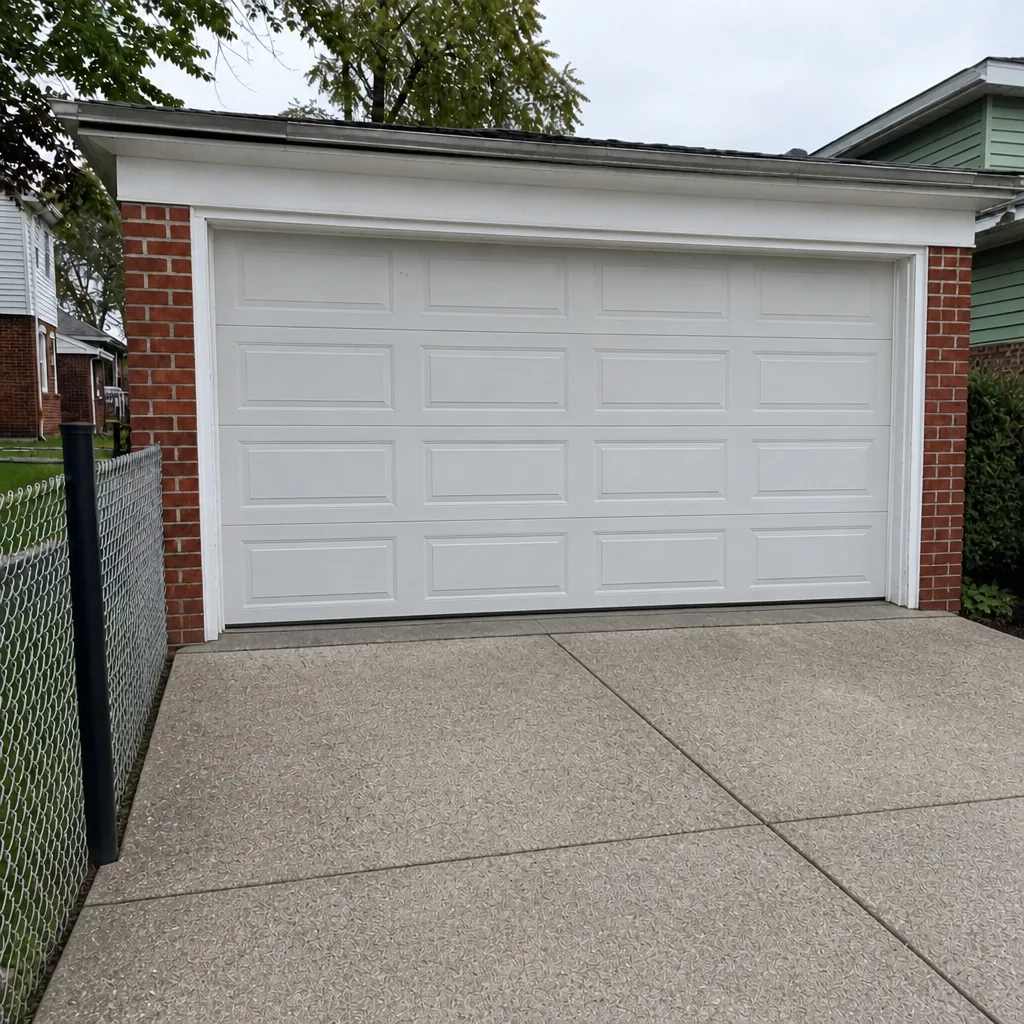 After
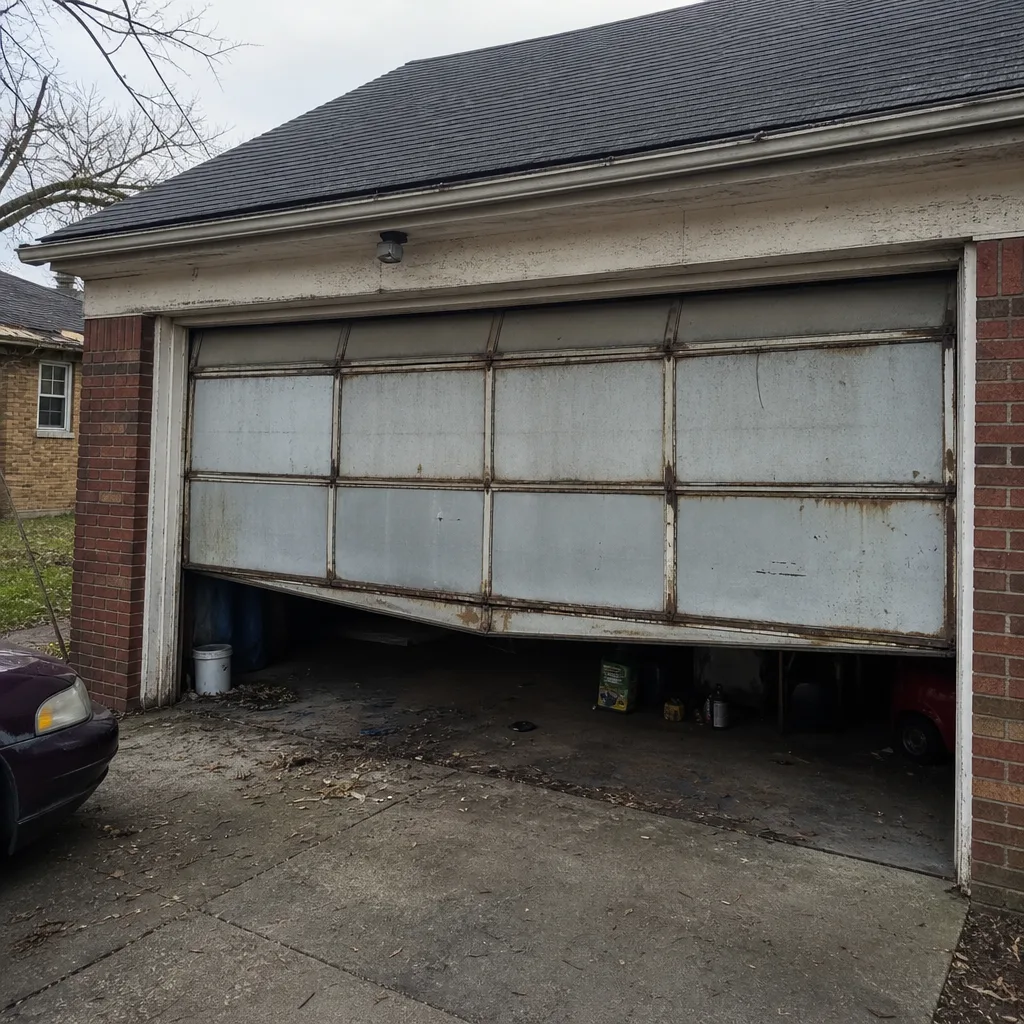 Before
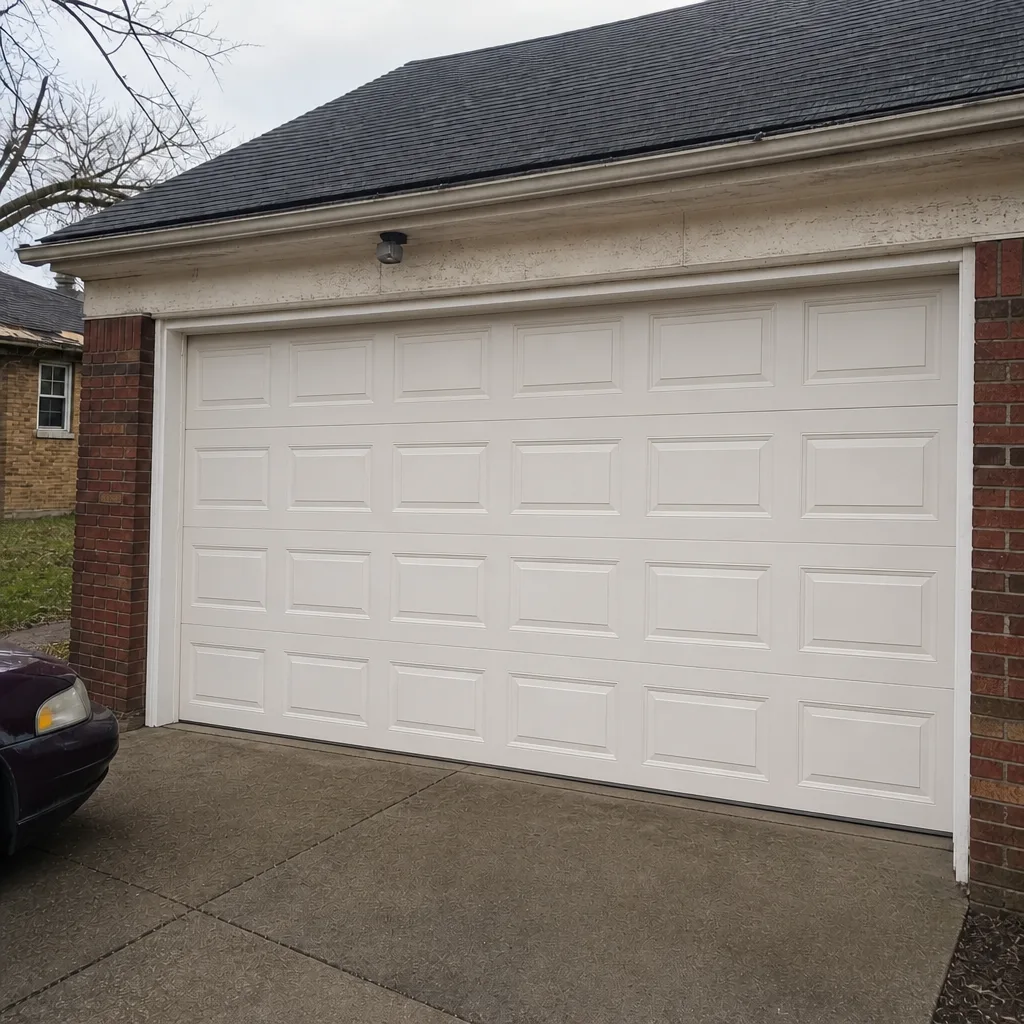 After
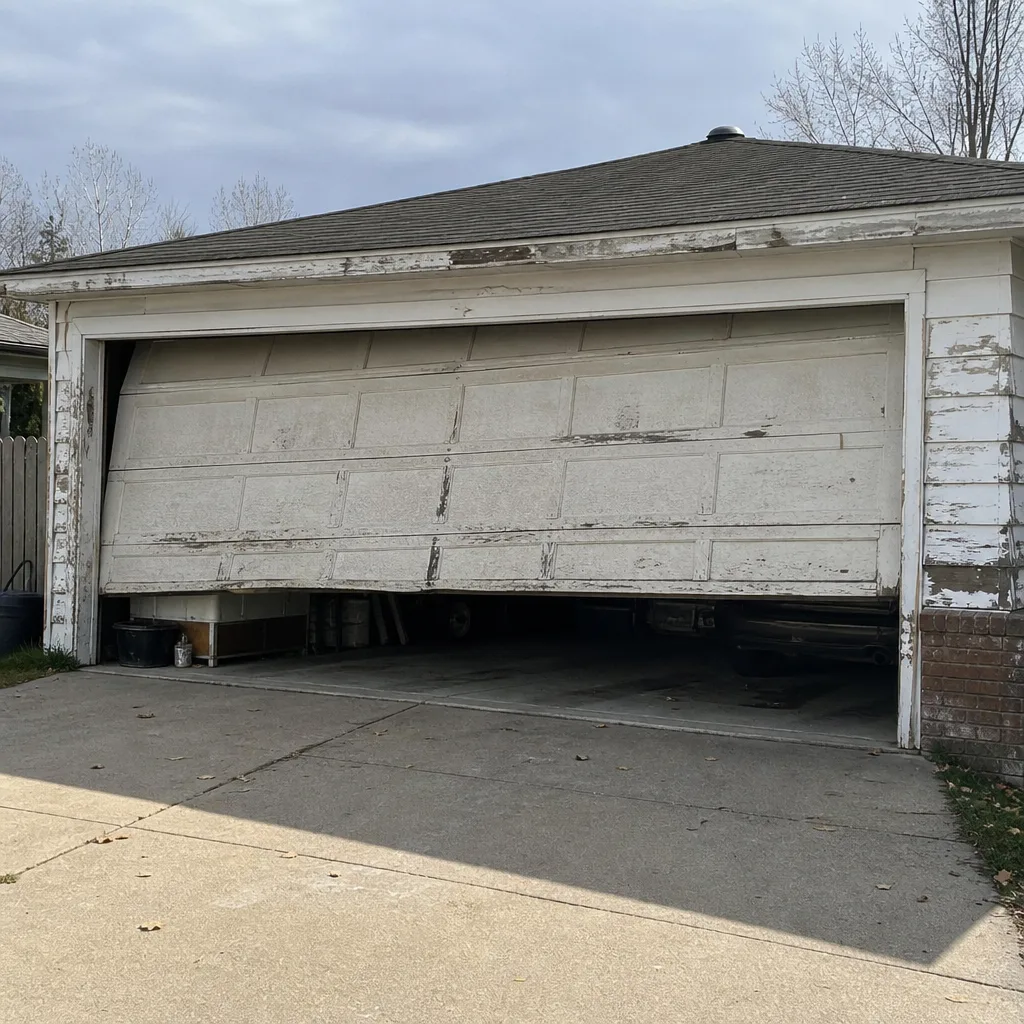 Before
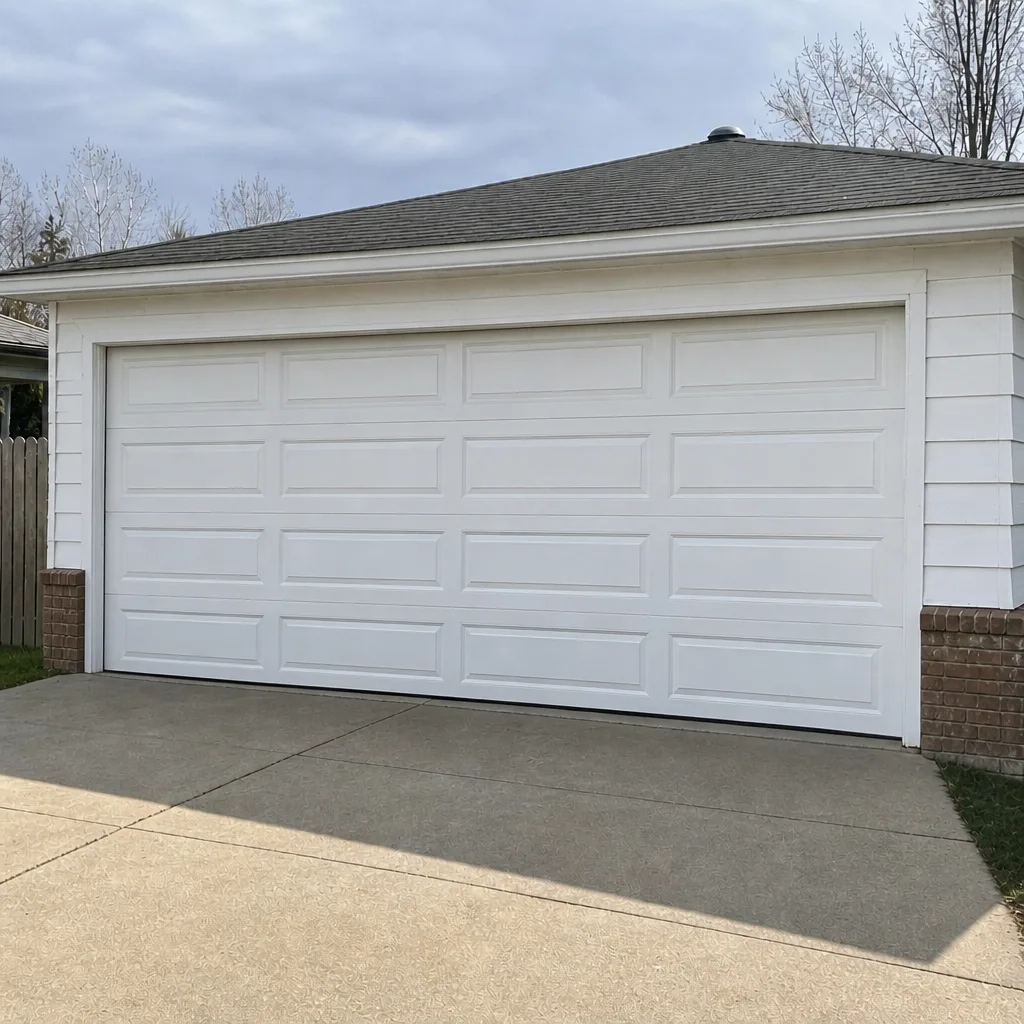 After
When to Call a Professional
Some seasonal care is homeowner work. Some isn’t, and knowing the difference saves you money and keeps you safe. Call a professional if your door feels heavy or drops when you lift it by hand, if you see frayed or slack cables, if the door opens unevenly or comes off its tracks, if the opener strains, grinds, or reverses on its own, or if you notice new misalignment after a winter. Any spring or cable suspicion is an automatic call. If your door is old enough that you’re weighing repair against replacement, a professional assessment gives you the facts to decide. Vantage Garage Door Repair offers free estimates in Detroit. Call (888) 804-9214. We answer 24/7, with fast dispatch from 7am to 7pm, Sunday through Friday.
Frequently Asked Questions
Twice a year as a baseline, with the two services weighted toward fall and spring. Do a focused prep in October before the first hard freeze and a full inspection in April once the ice load releases. A light check in summer and winter handling is enough in between. That schedule covers the two transitions that cause most of Detroit’s garage door failures.
Ice-binding and cold-stiffened hardware are the usual reasons. The bottom seal can freeze to the floor, ice can build in the tracks, and cold thickens lubricant. The fix is usually a combination of keeping the threshold clear, using cold-rated lubricant, and having the opener’s force settings calibrated before winter. If the door is genuinely heavy, the springs may need attention, which is a professional job.
The springs and the door’s balance. Disconnect the opener and lift the door by hand. It should feel manageable and stay put at the halfway point. If it drops or feels very heavy, the springs have likely fatigued over the winter. Check the tracks for misalignment next, then the cables and seals.
Yes, lubricating hinges, rollers, and bearing plates is a safe homeowner task. Use a garage-door-rated lubricant, especially before winter, and avoid the tracks themselves, which should stay clean and dry. Leave springs and cables alone; those are under high tension and require a trained professional.
It’s common on west-facing wood and composite doors in humid Detroit summers. Moisture absorption and afternoon heat cause the panel to expand and contract, which can lead to warping and finish damage. Keeping a fresh exterior finish on the door and checking for bare spots helps. If the warping is significant, have it assessed before it affects the door’s operation.
The seasonal rhythm is the same, but the failure points differ. Wood and composite doors need humidity and finish attention in summer. Steel doors resist humidity better but can bind slightly on hot afternoons from heat expansion. Both need the same fall prep and spring inspection, and both benefit from correct opener force settings before winter. Whether it’s a LiftMaster, a Genie, or a Craftsman running the door, the care calendar holds. For more on how we approach the full system, see Vantage Garage Door Repair.
The Bottom Line
Detroit’s garage door care isn’t four equal seasons. It’s two transitions that matter most: fall prep before the first hard freeze and spring inspection once the ice load releases. Do the October and April work carefully and you’ll cover the majority of what the climate throws at your door. Summer humidity and winter ice-binding are real but manageable with a light check and the right opener settings. Keep springs and cables in professional hands, and don’t wait for a small problem to become a spring-time failure. If you’re in Detroit and want the seasonal work done right, we’re here to help.
Call (888) 804-9214 for a free estimate. We answer 24/7, with fast dispatch from 7am to 7pm, Sunday through Friday. The estimate is free, the price is set per job by a written quote agreed before any work starts, and our technicians have up to 14 years of experience across the eight major brands you’re most likely to have.
Written by the team at Vantage Garage Door Repair.