
Last updated November 15, 2026
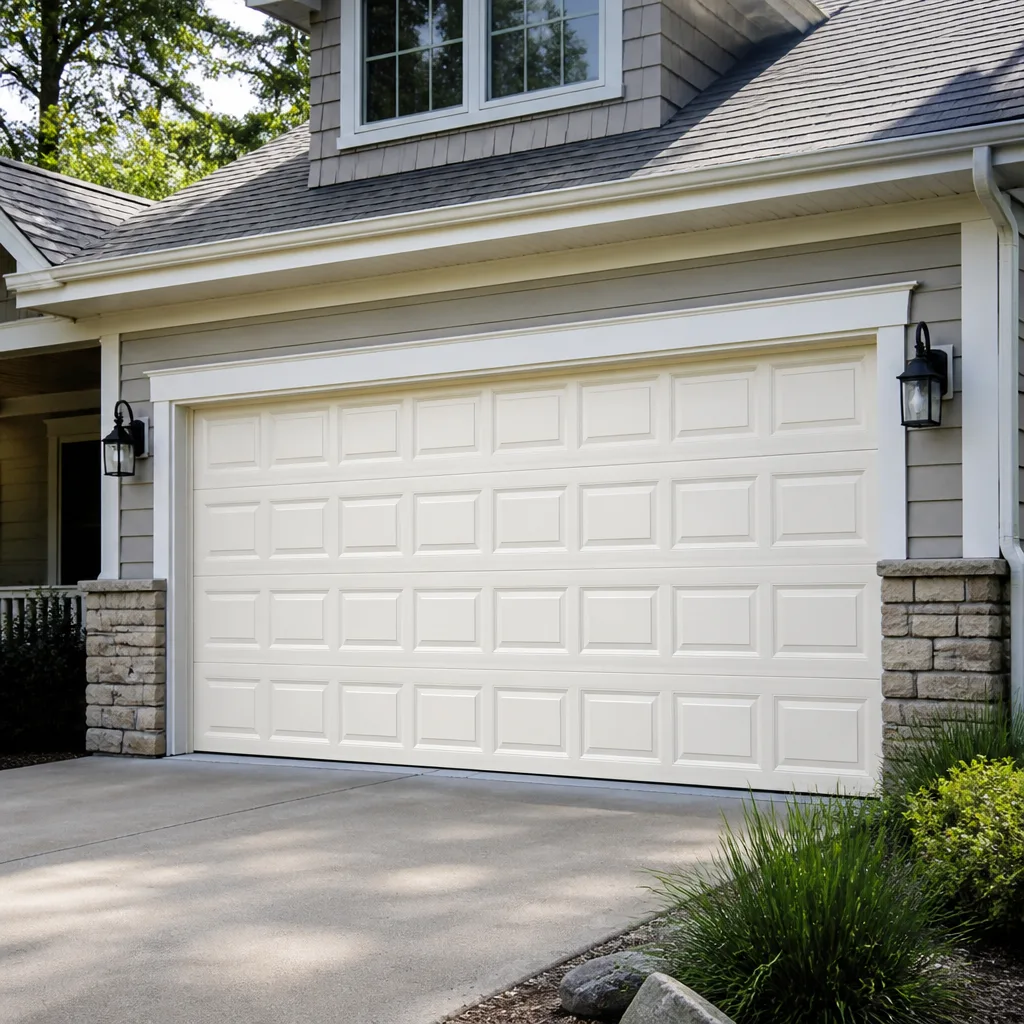 Raised-panel steel
 Carriage house
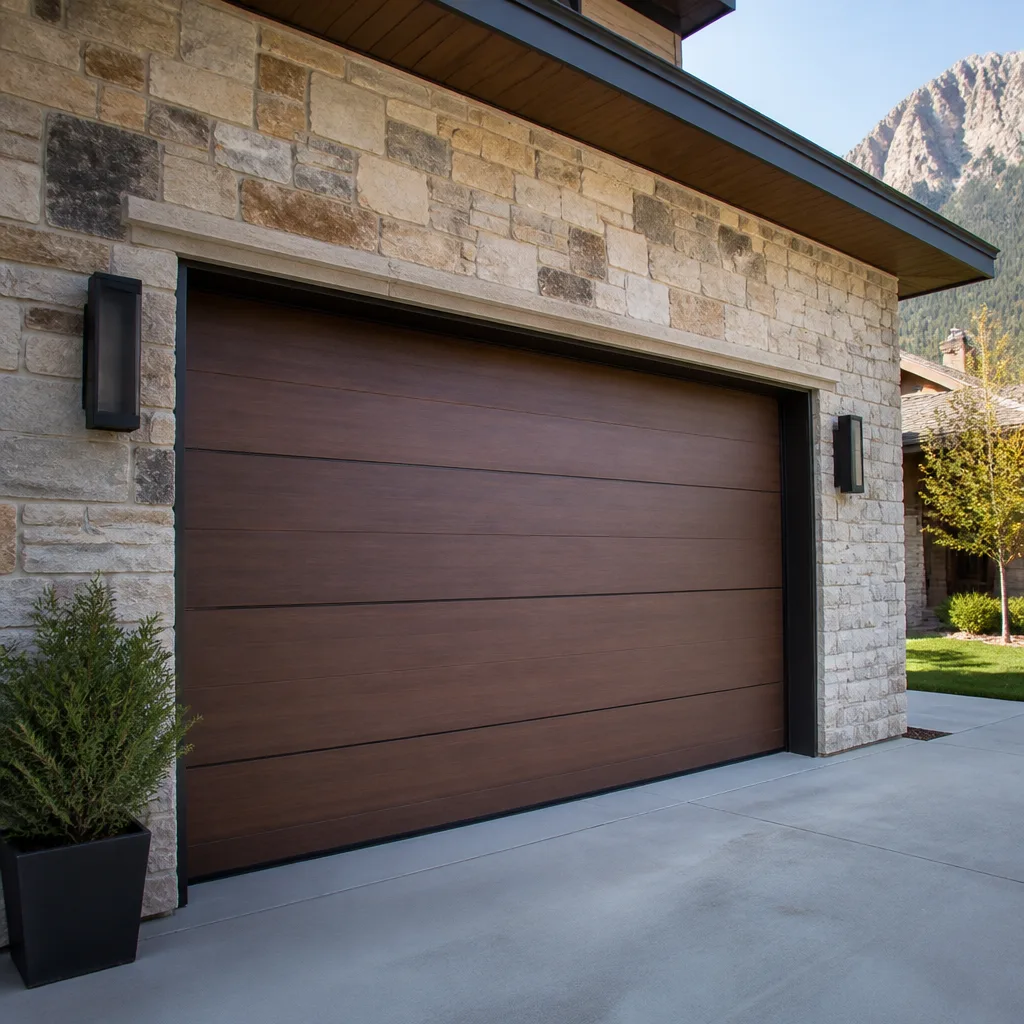 Modern flush
 Full-view glass
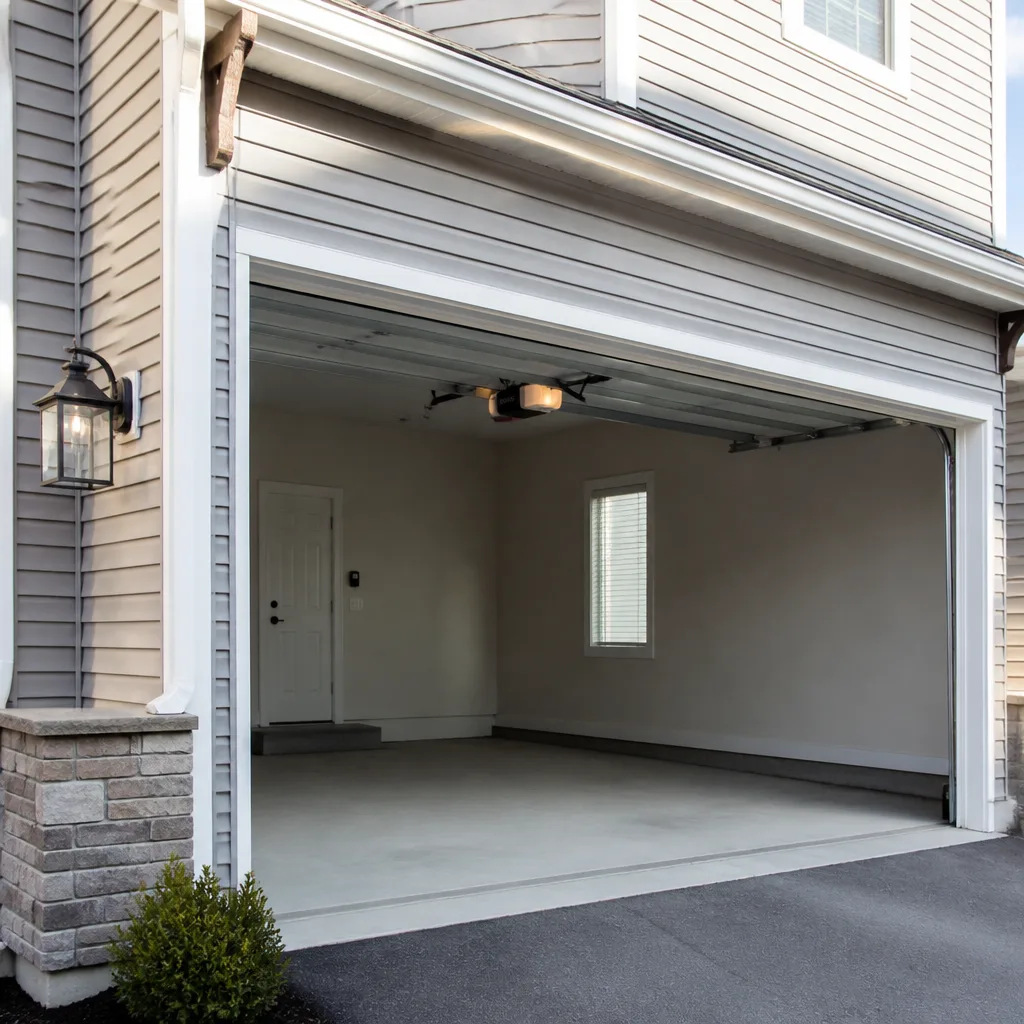 LiftMaster openers
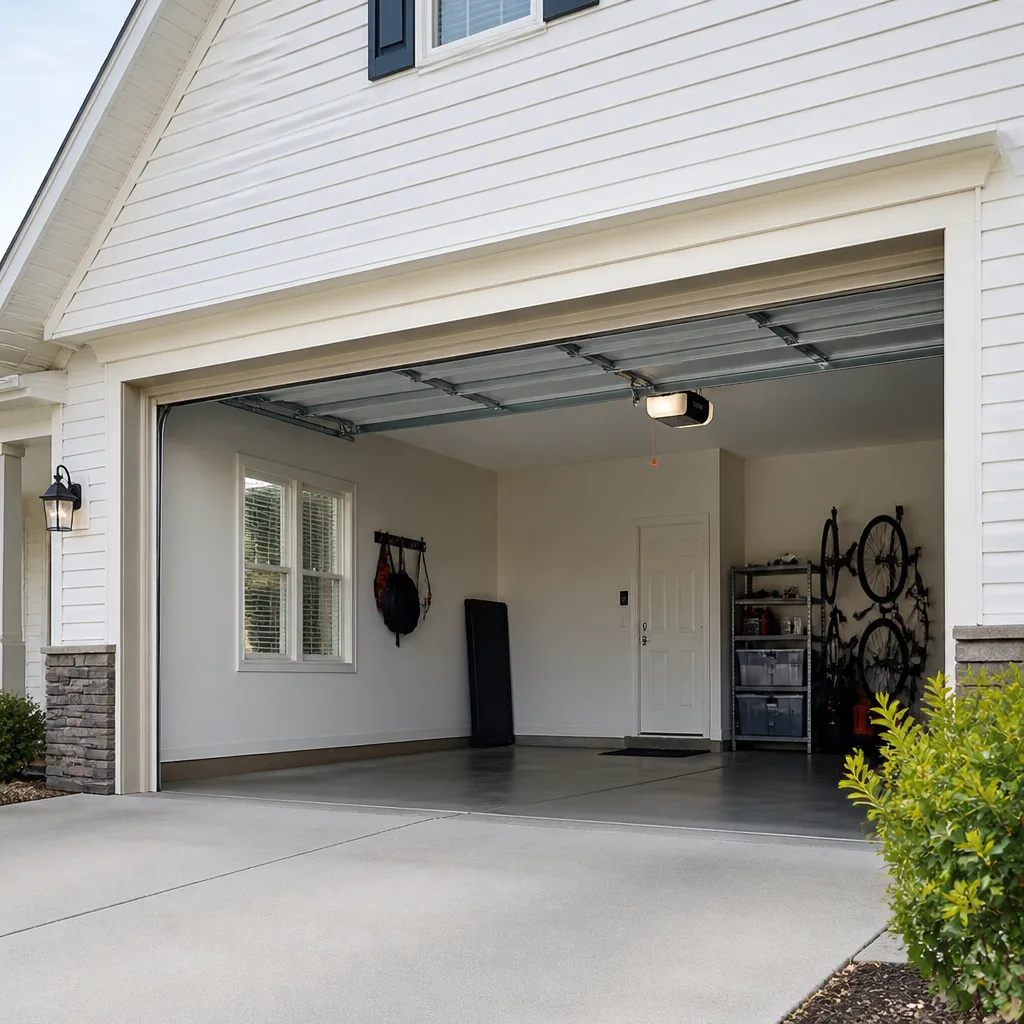 Chamberlain openers
Full 25-point door and opener safety check with every visit - springs, cables, rollers, tracks, and your LiftMaster or Chamberlain opener included
You get a price before we start. It does not change when the pro arrives.
Get your free estimateGarage Door Repair Maintenance Checklist for Detroit Homeowners
Here in Detroit, the call we get after a hard January cold snap usually isn’t the one most people expect. It’s rarely a snapped spring. More often it’s a bottom seal that turned stiff and brittle at single-digit temperatures, let enough cold air pour under the door to freeze the floor track solid, and now the door won’t move at all. A $30 seal ignored in October becomes a track-and-roller repair in February. This checklist is built around the way a garage door in Detroit actually gets punished between November and April, and it’s sequenced by those seasonal pressure points rather than alphabetically. We’ll walk through the tasks that matter before the cold hits, the ones that matter after it breaks, and the specific failure patterns we’ve seen in the city’s uninsulated detached garages. Most of it you can do yourself with no tools. All of it will save you a repair down the road.
Styles & brands we work with
- Raised-panel steel
- Carriage house
- Modern flush
- Full-view glass
- LiftMaster openers
- Chamberlain openers
Quick Answer
A useful garage door maintenance checklist for Detroit should put lubrication, seal inspection, and track alignment in October and November, a full stress inspection in March and April, and a light check on hinges and rollers in the warmer months. The two tasks that prevent the most winter repairs are a proper cold-rated lubricant on all moving metal parts before the freeze, and a dollar-bill drag test on the weatherstripping to confirm the door is actually sealing. Everything that involves springs, cables, or the opener’s electrical components belongs with a trained professional.
If a door is already stuck or making noise, that’s a repair, not maintenance. For that, see our garage door repair service, or simply call us and we’ll talk it through.
Table of Contents
- Why Detroit’s Garage Doors Need a Seasonal Checklist, Not an Annual One
- The Pre-Winter Rundown: What to Do Before the First Freeze
- Winter Lubrication: What Stays Viscous Below 0°F and What Gels
- Seals and Weatherstripping: The Dollar-Bill Drag Test
- The Post-Winter Inspection: Catching Stress Fractures Early
- The Uninsulated Detached Garage: A Specific Failure Pattern
- Opener Behavior in Extreme Cold: Why It “Died” in January
- What Never Belongs on a DIY Checklist
- Common Mistakes to Avoid
- When to Call a Professional
- Frequently Asked Questions
- The Bottom Line
Why Detroit’s Garage Doors Need a Seasonal Checklist, Not an Annual One
A lot of the maintenance advice you’ll read online was written for a mild climate where the door gets a routine once a year and everything is fine. Detroit is not that climate. A garage door here cycles through wide temperature swings, repeated freeze-thaw at the floor, snow and ice packed against the bottom seal, and weeks of sub-freezing nights that harden every rubber and plastic part on the system. By the time spring arrives, the door has been through a stress cycle that a door in a warmer place simply never sees.
That’s why we think of maintenance in Detroit in terms of the calendar rather than a single annual chore. The tasks that matter in late fall are different from the tasks that matter in early spring, and mixing them up means you miss the window when a small problem is still cheap to fix.
Here’s the seasonal rhythm that works for most homes in the city:
- Late October to mid-November: lubrication of all moving metal, seal inspection, track cleaning, and a balance check. This is the most important window of the year.
- December through February: visual checks only. Don’t force anything frozen, and don’t try to adjust hardware in the cold.
- March through April: a full post-winter inspection for stress fractures in panels, freeze damage to the seal and bottom bracket, and track alignment after a season of ground movement.
- May through September: lighter checks on hinges, rollers, and the opener’s moving parts, plus a listen for new noises.
The doors of Detroit take a real beating from November to April, and most of the repairs we see in spring trace back to one task skipped in October. Sequencing the work to the season is the whole point. If you’d like to understand the full scope of what we handle, our Vantage Garage Door Repair page covers the three service categories we work in: repair, opener work, and installation.
The Pre-Winter Rundown: What to Do Before the First Freeze
The pre-winter rundown is the highest-value hour you’ll spend on your garage door all year. Do it once, before the first hard freeze settles in, and you avoid the majority of the cold-weather failures that otherwise show up in December and January. You don’t need special tools for most of it. A rag, a lubricant rated for cold, and a screwdriver cover nearly everything.
Work through these steps in order:
- Look at the door and listen. Open and close it once and pay attention. Grinding, squealing, or a door that shudders on the way down is telling you something is already under stress before the cold makes it worse.
- Check the bottom seal. Run your hand along the rubber at the bottom of the door. It should feel flexible, not stiff or cracked. If it’s already hard in October, it will be brittle by January. In our experience, a seal that’s stiff before the freeze is the single most predictable cause of a frozen-track call in Detroit.
- Clean the tracks. Wipe out the vertical and horizontal tracks with a dry rag. Grit and old grease collect in the channel and turn into a grinding paste in cold weather. Don’t lubricate the tracks themselves; keep them clean and dry.
- Lubricate the moving metal. Hinges, rollers, and the pivot points get a light coat of a cold-rated lubricant. We’ll cover which products actually work below in the lubrication section.
- Tighten loose hardware. A screwdriver pass over the hinge bolts and bracket fasteners catches the loose ones before vibration works them out over the winter.
- Test the balance. Disconnect the opener and lift the door halfway by hand. It should stay put. If it drops or rises on its own, the springs are out of balance and need a professional look before the cold stresses them further.
- Clear the floor and the perimeter. Make sure nothing is sitting in the door’s path and that the threshold is clear. Ice that forms under a gap is what freezes a track solid.
That’s the core of it. The rest of the pre-winter work is the weatherstripping, which we’ll get to. If your door is a newer Clopay or Amarr unit, the same steps apply; the hardware differs but the routine doesn’t. Our technicians have up to 14 years of experience across the major brands, and the pre-winter routine looks the same whether the door is a Wayne Dalton or something older.
Winter Lubrication: What Stays Viscous Below 0°F and What Gels
This is where a lot of well-meaning maintenance actually makes things worse. Not all lubricants behave the same way in cold, and the wrong one will thicken into a sticky gel that grabs the rollers instead of letting them spin. When that happens, the door works harder, the opener strains, and the whole system wears faster through the coldest months.
Here’s how the common choices sort out for a Detroit winter:
- White lithium grease: fine in warm weather, but it thickens noticeably below freezing and can turn gummy. Not the right pick for the door’s moving parts in a Michigan January.
- Standard WD-40 (the original formula): a decent cleaner and light displacer, but it’s not a lasting lubricant. It evaporates and leaves metal dry. Don’t use it as your winter lubricant.
- Silicone-based spray lubricant: stays fluid at low temperatures and doesn’t attract grit the way grease does. A good general choice for hinges and pivot points.
- Cold-rated synthetic or lithium-complex grease: these hold their viscosity below zero and are what we reach for on rollers and hinges that see real load. Look for a product labeled for low-temperature use.
A few practical rules that matter as much as the product:
- Lubricate sparingly. A light film is enough. Over-lubricating attracts dust and grit that turns into abrasive paste.
- Never put lubricant on the tracks. The tracks should be clean and dry so the rollers can roll rather than slide.
- Wipe off any excess before it can collect debris.
- Do your lubrication pass before the first freeze, not after. A product applied to a door that’s already cold may not spread into the pivot points properly.
If you’re not sure what’s already on your hardware, a quick clean with a rag before applying anything is worth the extra minute. Mixing incompatible lubricants is a common cause of the gummy buildup we find on doors in Detroit that have had a few winters of the wrong product.
Seals and Weatherstripping: The Dollar-Bill Drag Test
You can check whether your weatherstripping is actually doing its job with a single dollar bill and no tools at all. Close the door on the bill so it’s pinched between the bottom seal and the floor (or between the side weatherstrip and the door), then try to pull it out. You want a light drag. If the bill slides out with no resistance, there’s a gap letting cold air and moisture in. If it’s clamped so tight you can’t move it, the seal is probably too compressed and wearing out.
Work your way around the door and test in several spots, because gaps are rarely uniform:
- Test at the bottom seal: center, quarter points, and both corners. Corners are where gaps form first.
- Test along both sides, top to bottom, between the door edge and the side weatherstrip.
- Test across the top seal if your door has one.
- Note any spot where the bill slides out freely. That’s an air leak.
Why this matters more in Detroit than in a milder climate: a gap under the door lets cold air pool against the floor and the bottom of the track. In a hard freeze, that pooled cold air is exactly what freezes the track solid. It also lets meltwater creep in, which refreezes overnight and expands, slowly working the seal and bottom bracket loose. A seal that passes the dollar-bill test in October is far less likely to be the reason the door won’t open in January.
If you find leaks, the fix is usually a new bottom seal, new side weatherstrip, or both. That’s a straightforward repair. If the seal is stiff, cracked, or torn, replace it before winter. A flexible seal at the right compression is what keeps the cold out and the door moving. For anything that turns out to be more than a seal, our team can take a look; that’s what our garage door repair service in Detroit is built for.
The Post-Winter Inspection: Catching Stress Fractures Early
Spring is when you go looking for the damage winter left behind. The freeze-thaw cycle is hard on a garage door, and the problems it causes are much cheaper to fix in April than in July. The goal of the post-winter inspection is to find stress fractures, loose fasteners, and freeze damage while they’re still small.
Work through these steps once the snow is gone:
- Inspect the door panels visually, top to bottom. Look for hairline cracks, especially near the bottom edge and around any hardware attachment points. Freeze-thaw stress shows up first at those spots. A hairline crack in a panel is a minor repair; a cracked panel that’s been ignored can split and require a panel replacement.
- Check the bottom bracket and the seal. Freeze damage to the bottom bracket and the seal is common. Look for rust, looseness, or a seal that’s torn.
- Look at the tracks. Ground movement and ice can knock tracks out of alignment. They should be straight and parallel, and the door should run smoothly without rubbing.
- Test the balance again. A door that was balanced in November and won’t hold itself up in April may have stressed springs over the winter.
- Check hinges and rollers for looseness and wear. A winter’s worth of cold starts and stops is hard on rollers.
- Listen. A spring creak or a grinding roller is an early warning. Deal with it before the dry months turn it into a bigger repair.
The panels themselves are where a lot of Detroit homeowners get caught out. A small stress fracture along the bottom edge of a Clopay or Amarr panel can go unnoticed all spring, and by midsummer it’s a full replacement. Catching it during the post-winter pass is the whole reason this step exists. And a panel crack near the bottom edge is also a place where cold air and moisture get in, so it compounds the seal problem if it’s left alone.
The Uninsulated Detached Garage: A Specific Failure Pattern
Detroit has a lot of detached garages, and many of them are uninsulated. That combination creates a failure pattern that’s different from an attached, conditioned garage, and it’s worth understanding because it shows up so much in the city.
An uninsulated detached garage swings through much wider temperature swings inside than the house does. It gets cold faster and stays cold longer. The door on that garage sees the inside face at or near outdoor temperature for weeks, which means every rubber and plastic component on it is cycling through cold stress with no relief. The specific failure pattern we see:
- Bottom seals harden first and lose the ability to compress against the floor, which opens the gap that lets cold air freeze the track.
- Rollers seize or flat-spot because the lubricant on them is stressed every time the door moves in the cold.
- Panel seams show stress cracks first where two panels meet, especially on the bottom panel.
- The opener runs harder because the door is heavier to lift in cold and the hardware resists more.
Two checks catch most of this early, and both can be done in a few minutes:
- The seal-and-gap check in late fall. The dollar-bill drag test plus a visual on the bottom seal catches the freeze risk before it starts. On an uninsulated garage, do this earlier, around early October, because the interior cold arrives sooner.
- The lift-and-listen check in early spring. Before the weather warms, open and close the door a few times and listen. A door that lifts easily in fall and lifts heavy in spring needs attention. A grinding or scraping sound suggests rollers or tracks.
If your detached garage is uninsulated, these two checks are the highest-value maintenance you can do all year. The rest of the routine still applies, but these catch the failures that are specific to a large, cold, unconditioned box with a door on it.
Opener Behavior in Extreme Cold: Why It “Died” in January
Here’s a question we hear every winter: the opener worked fine in December, quit in January, and then came back to life in March without any repair. What happened? In most cases, the opener didn’t die. It hit its thermal cutoff.
Modern openers, whether a LiftMaster, a Genie, a Chamberlain, or something older, have built-in thermal protection. The motor control board monitors temperature and load, and when the motor runs too hot or draws too much current, it shuts down to protect itself. In extreme cold, two things push it toward that limit at once: the door is physically harder to lift because cold stiffens the hardware and the seal, and the motor has to work harder against that resistance. Add a door that’s slightly out of balance and the strain adds up. The opener cuts out, waits, resets, and runs again. In milder weather the same door is easy to lift and the opener never gets near its limit.
So the door that “died in January and works fine in March” is often telling you something useful: it was overloaded during the coldest stretch and it survived because the protection worked. Here’s what that means for your maintenance:
- An opener that cuts out in the cold is a symptom, not necessarily the problem. Before you replace it, find out why it was overloaded. A stiff seal, dry rollers, an out-of-balance door, or a badly aligned track can all be the real cause.
- Balance matters more in winter. A door that’s borderline out of balance in fall becomes a real strain on the opener in deep cold. The pre-winter balance check catches this.
- Lubrication directly reduces opener strain. Free-moving hardware means the motor draws less current, which keeps it away from its thermal limit.
- Force and travel settings should be checked by a professional. If the opener is routinely hitting its limits, the force and travel settings may need adjustment. That’s electrical and mechanical work that belongs with a trained technician.
If your opener is acting up, our garage door opener repair team can run diagnostics on the unit and the door together. That’s the whole point of keeping door and opener work under one set of hands: the fault may be in either place, and the only way to know is to test both.
What Never Belongs on a DIY Checklist
The springs and cables are the one part of the garage door system that should never be on your maintenance list. They hold the entire weight of the door under high tension, and a spring or cable that lets go releases that energy instantly. That’s not a task you want to learn on the job, and no checklist should encourage it. If a spring looks stretched, if the door no longer balances, or if you see a cable fray, stop and bring in a trained professional. The same goes for anything touching the opener’s wiring or the motor’s internal components. A maintenance checklist is about seals, lubrication, tracks, and inspection. Spring and cable work is a repair, and it’s dangerous.
Common Mistakes to Avoid
- Using the wrong lubricant. Standard WD-40 or a warm-weather grease will gel or dry out in a Detroit winter and make the strain worse. Use a cold-rated product and use it sparingly.
- Lubricating the tracks. This is one of the most common mistakes. Tracks should stay clean and dry; lubrication on a track turns into a grinding paste.
- Ignoring a stiff seal in October. A seal that’s stiff before the freeze is a frozen track waiting to happen. In Detroit, this is the number-one cause of a door that won’t move in January.
- Skipping the post-winter panel check. Stress fractures in panels start small and get expensive. A hairline crack caught in April may be a simple fix; by July it can mean a new panel.
- Replacing an opener that “died” in January. Before you replace a LiftMaster, a Genie, or a Chamberlain that cut out in the cold, find out what overloaded it. The door, not the opener, is often the culprit.
- Adjusting springs or cables yourself. These are under extreme tension and can cause serious injury. This is professional work, every time.
- Forgetting the detached garage. A garage that’s uninsulated runs colder and earlier than the house. Its door needs the pre-winter and post-winter checks on a slightly earlier schedule, not the same one you’d use for an attached garage.
When to Call a Professional
Most of this checklist is homeowner work: seals, lubrication, tracks, the dollar-bill test, and the seasonal inspections. But some jobs belong with a trained technician, and knowing where the line is saves you money and prevents injuries. Call a professional if the door won’t balance, if you see a broken or stretched spring, if a cable is frayed or loose, if the door comes off the tracks or is badly misaligned, if a panel has a crack that’s spreading, or if the opener needs internal diagnostics or force settings adjusted. Those aren’t maintenance tasks. They’re repairs, and several of them are genuinely dangerous to attempt yourself.
Vantage Garage Door Repair works on the full system from motor to door, and we handle repair, opener work, and installation under one roof. If you’re in Detroit and want a second opinion on what a season of winter has done to your door, we can take a look. Vantage Garage Door Repair offers free estimates in Detroit, call (888) 804-9214.
Frequently Asked Questions
Twice a year is plenty: once in late fall before the first hard freeze, and once in spring after the winter. Detroit’s winters are hard on lubricant, so the fall pass is the more important of the two. Use a cold-rated product and keep it off the tracks. If you’re not sure what to use, call (888) 804-9214 and we’ll point you to the right product for your door’s hardware.
It most likely hit its thermal cutoff rather than failing. In extreme cold the door is harder to lift, the motor works harder, and the built-in protection shuts it down to prevent overheating. The fix is usually in the door, not the opener: a stiff seal, dry rollers, or an out-of-balance door. If it’s happening regularly, call us for diagnostics and we’ll test both the opener and the door together.
Use the dollar-bill drag test. Close the door on a dollar bill, then pull. You want a light drag. If it slides out freely, there’s a gap letting cold air in. Test at the bottom seal and around all sides. For help with a seal replacement, call (888) 804-9214 for a free estimate.
Yes, if the garage is uninsulated. The interior runs colder than the house, so every rubber and plastic part on the door sees more cold stress. Do the seal and lubrication checks slightly earlier in the fall and the post-winter inspection earlier in spring. If you’d like a professional assessment of a door on an uninsulated garage, we can help; give us a call at (888) 804-9214.
No. Garage door springs are under extreme tension and can cause serious injury if they release unexpectedly. Adjusting or replacing them is a job for a trained professional. If your door won’t hold itself open halfway, stop using it and call us at (888) 804-9214 for a free estimate. Fast dispatch from 7am to 7pm, Sunday through Friday.
The bottom seal. Run your hand along the rubber; it should feel flexible. In Detroit, a stiff seal in October is the most predictable cause of a frozen track later in winter. If it’s already hard or cracked, replace it before the freeze. For a free estimate on seal replacement or any other repair, call (888) 804-9214.
The Bottom Line
A garage door in Detroit doesn’t need a complicated maintenance routine. It needs the right tasks at the right time of year. Lubricate all moving metal with a cold-rated product before the first freeze. Keep the tracks clean and dry. Use the dollar-bill test to confirm your weatherstripping is actually sealing. Do a full post-winter inspection in March and April to catch stress fractures before they become panel replacements. Pay extra attention to uninsulated detached garages, which run colder and need the same checks on an earlier schedule. And leave springs, cables, and opener internals to a trained professional. Do these things in order and your door will get through a Detroit winter with far fewer surprises. If a repair comes up, or you want a professional once-over, we’re here to help: call (888) 804-9214 for a free estimate. We answer 24/7. Fast dispatch from 7am to 7pm, Sunday through Friday.
Written by the team at Vantage Garage Door Repair.
See the difference
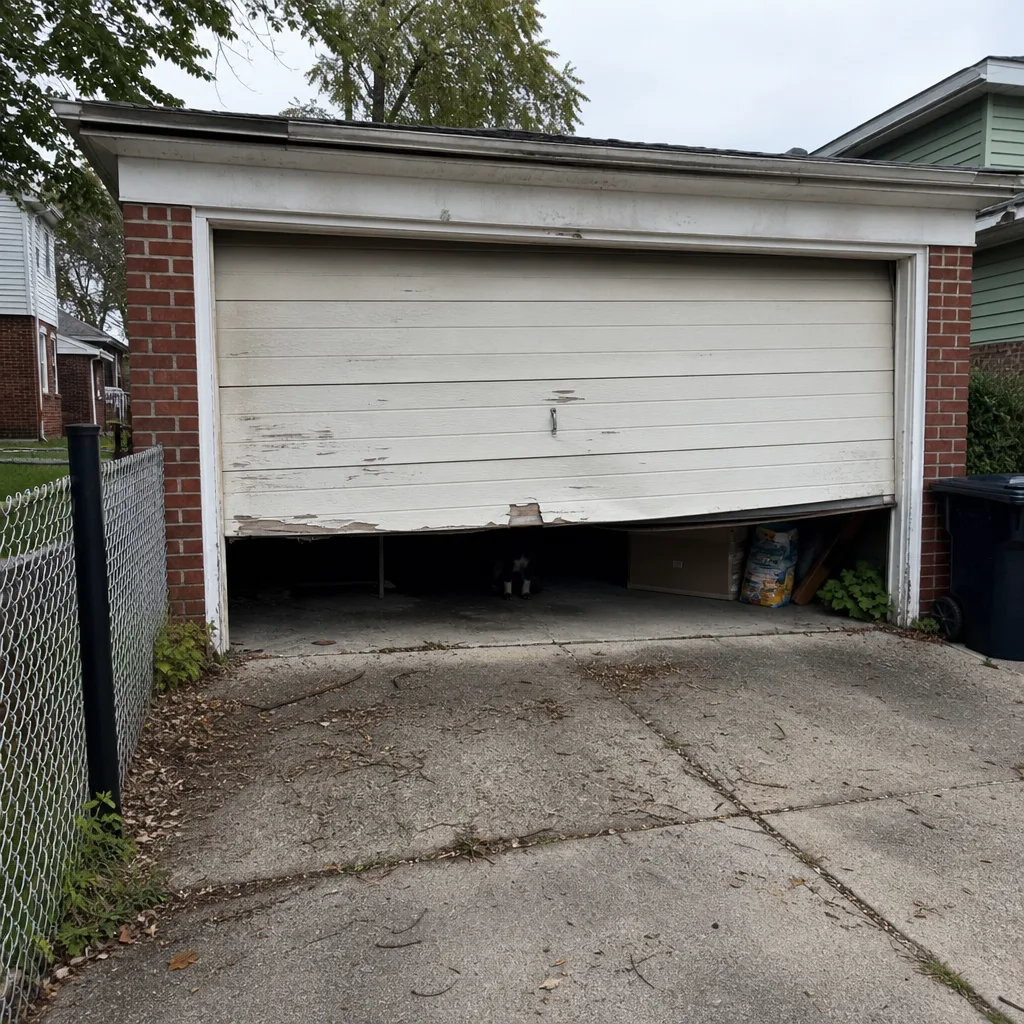 Before
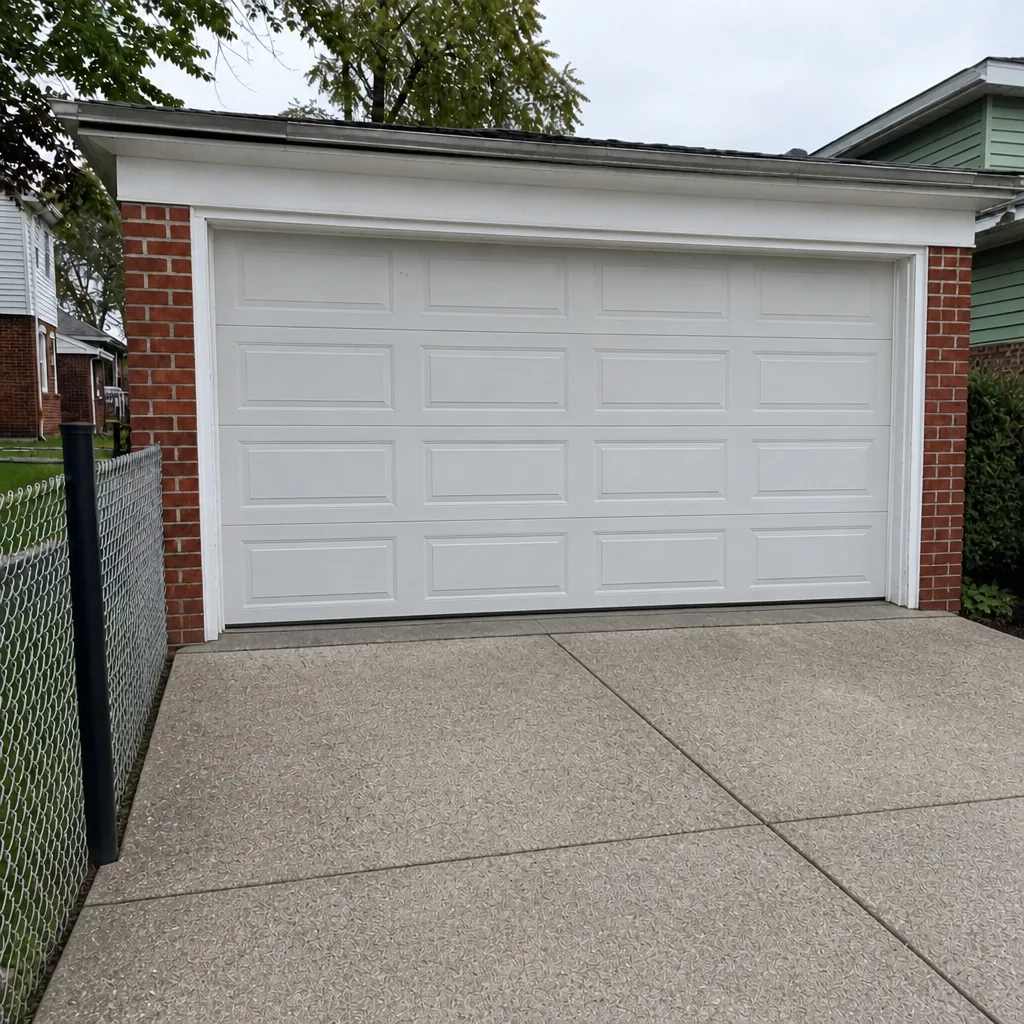 After
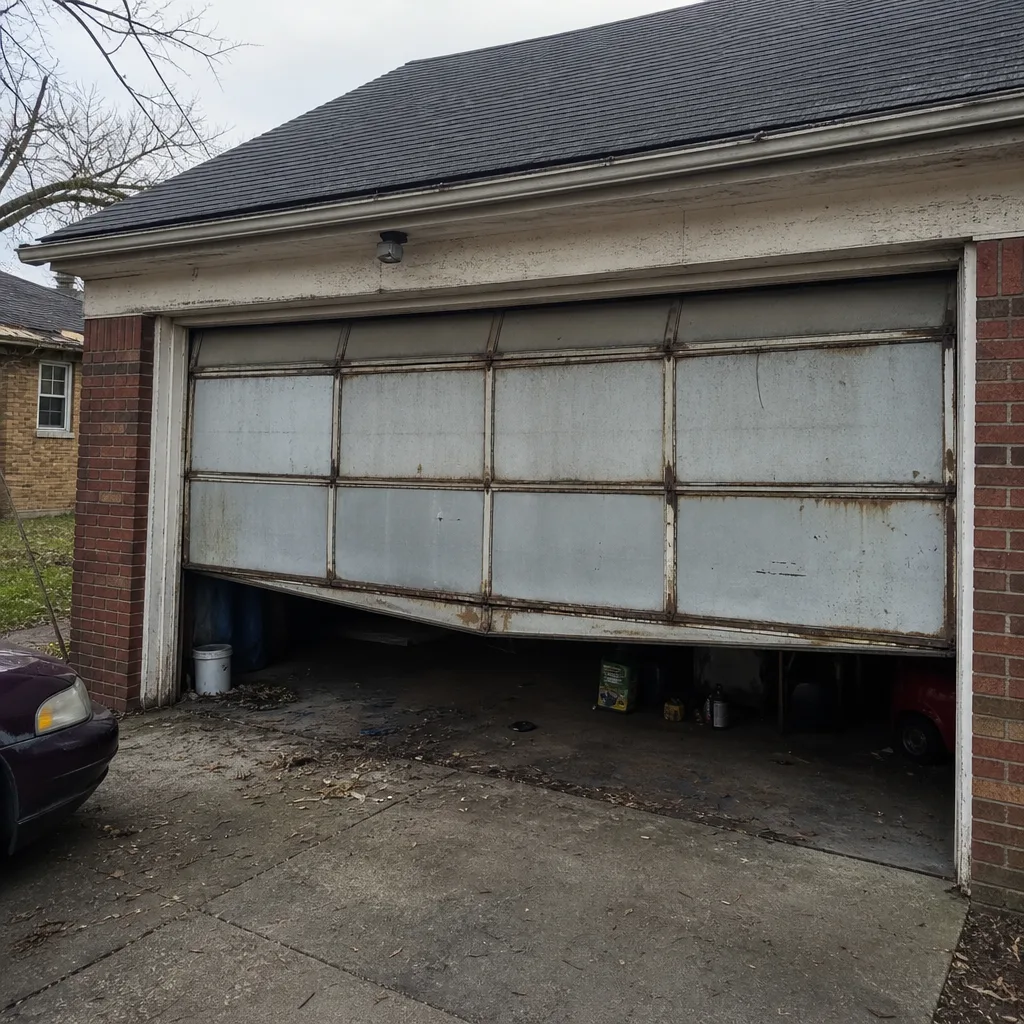 Before
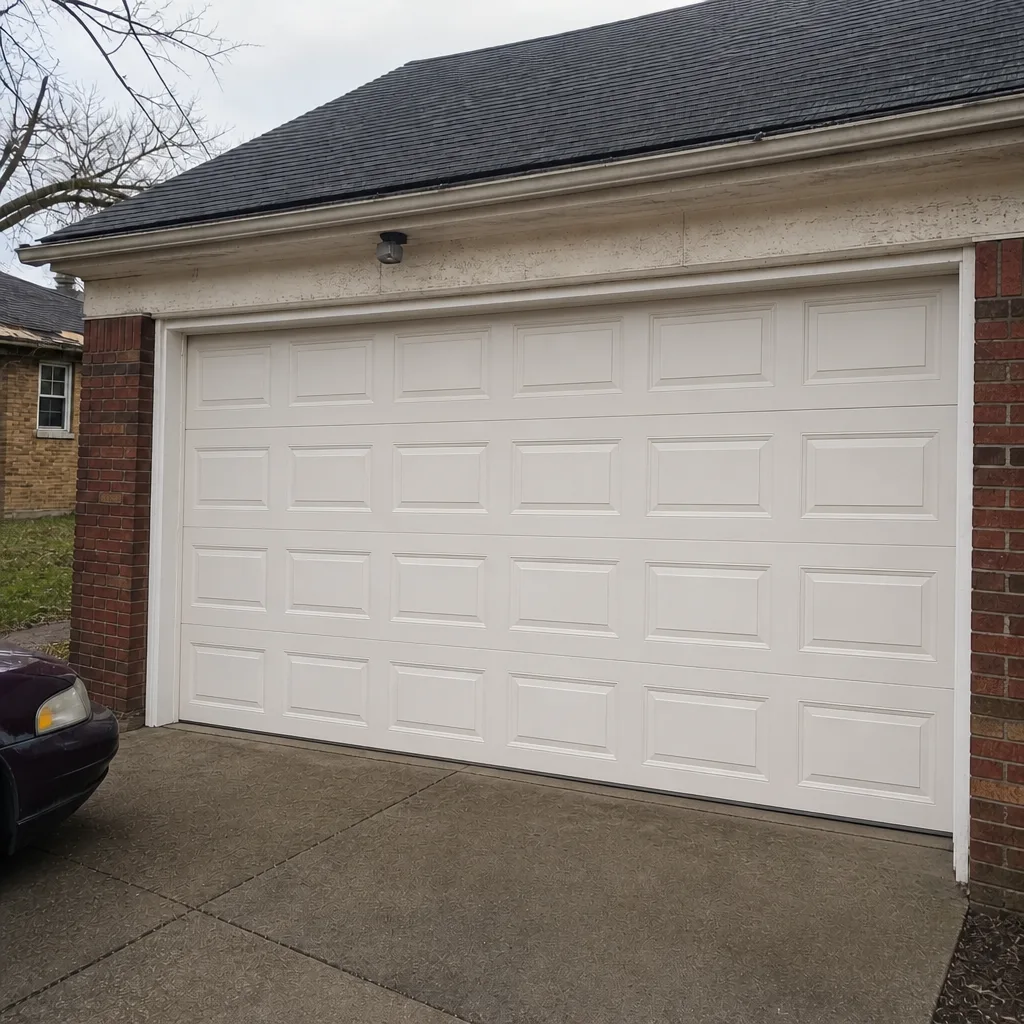 After
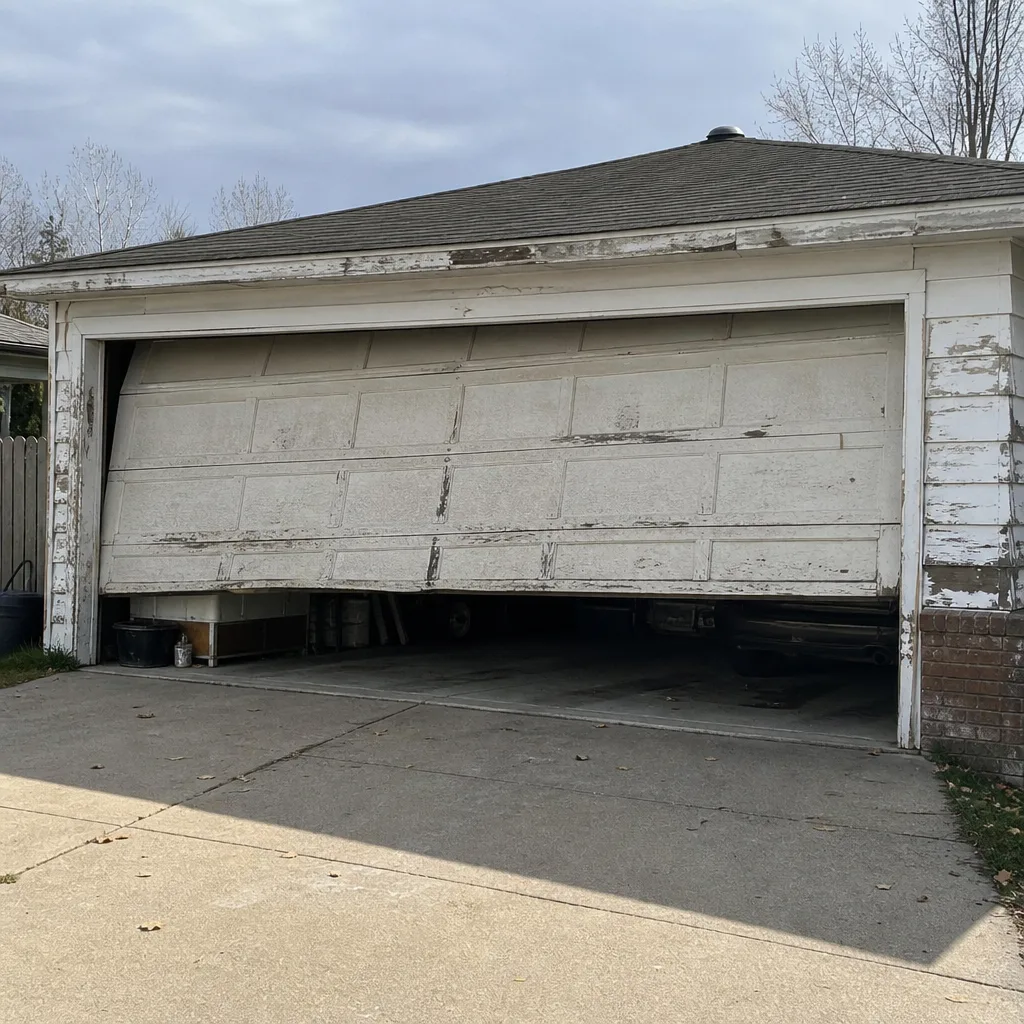 Before
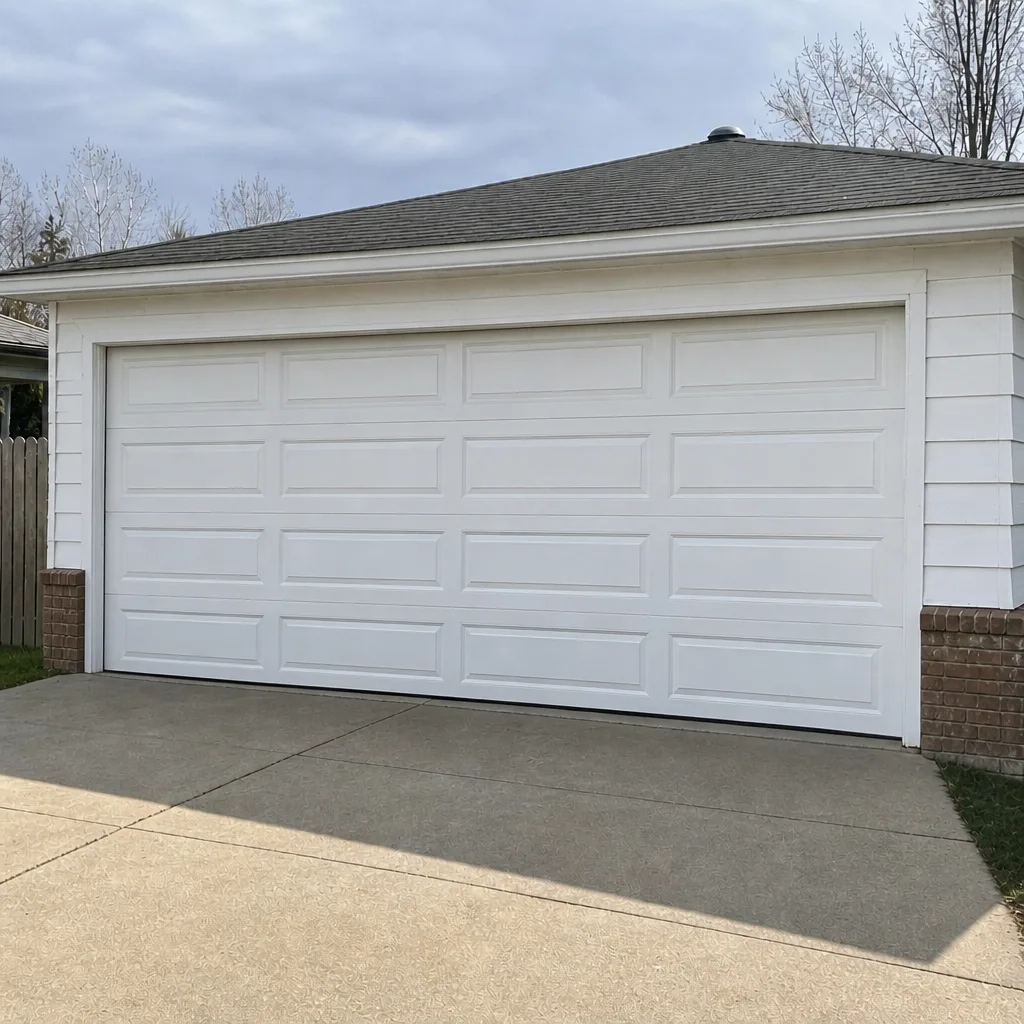 After