
Last updated November 15, 2026
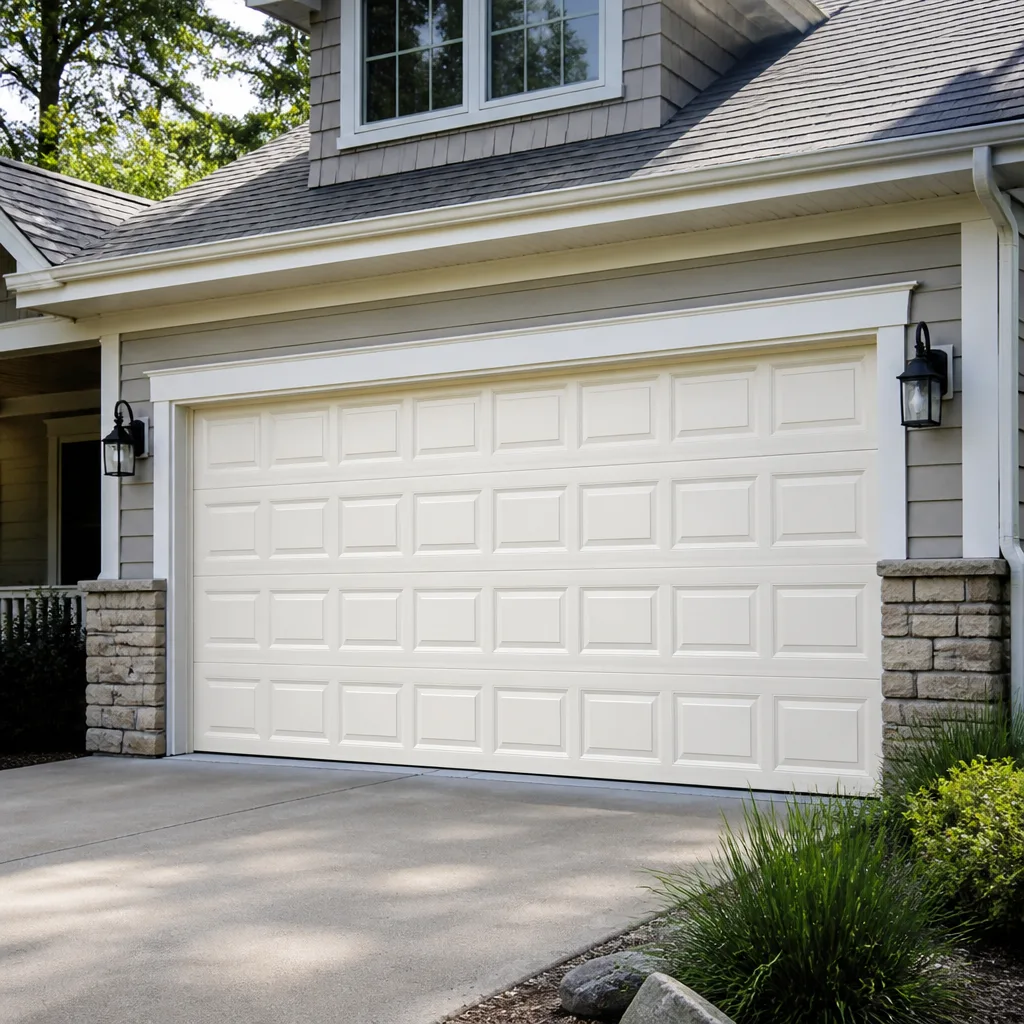 Raised-panel steel
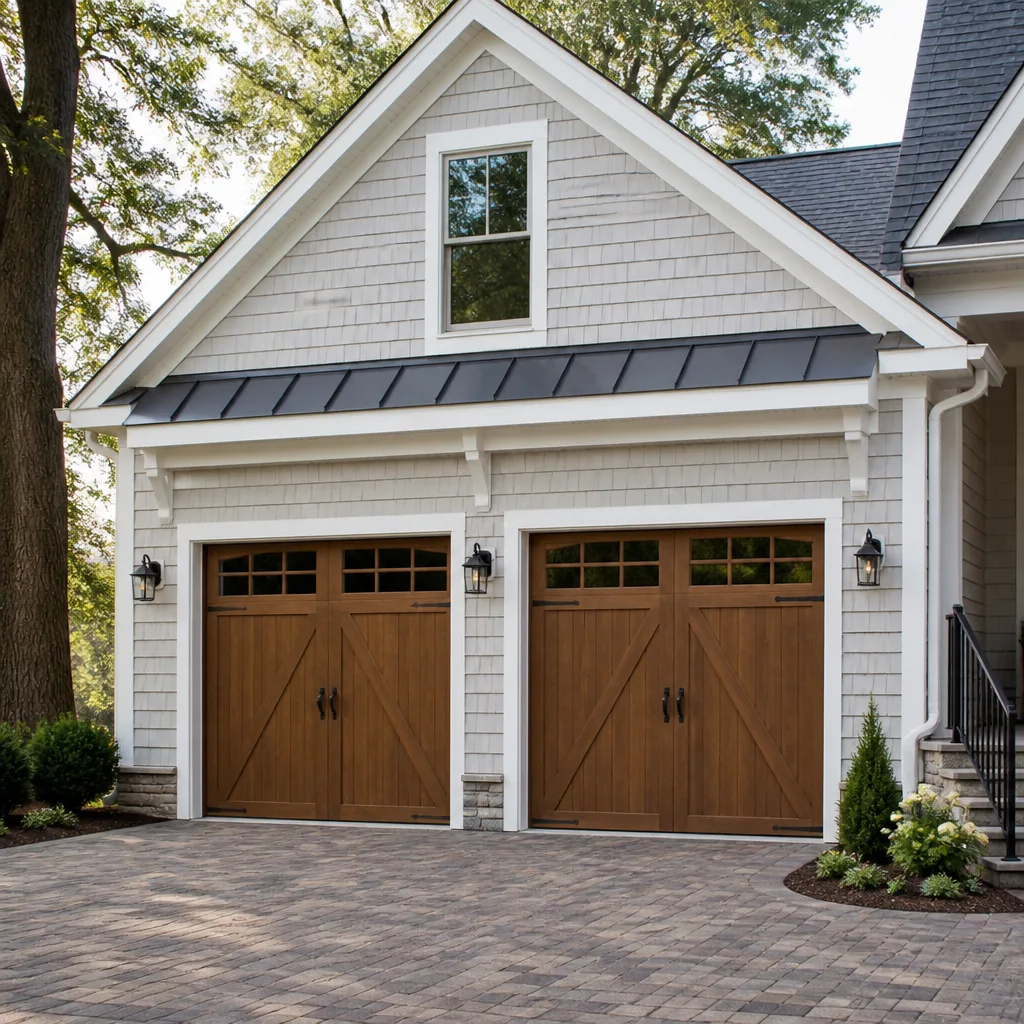 Carriage house
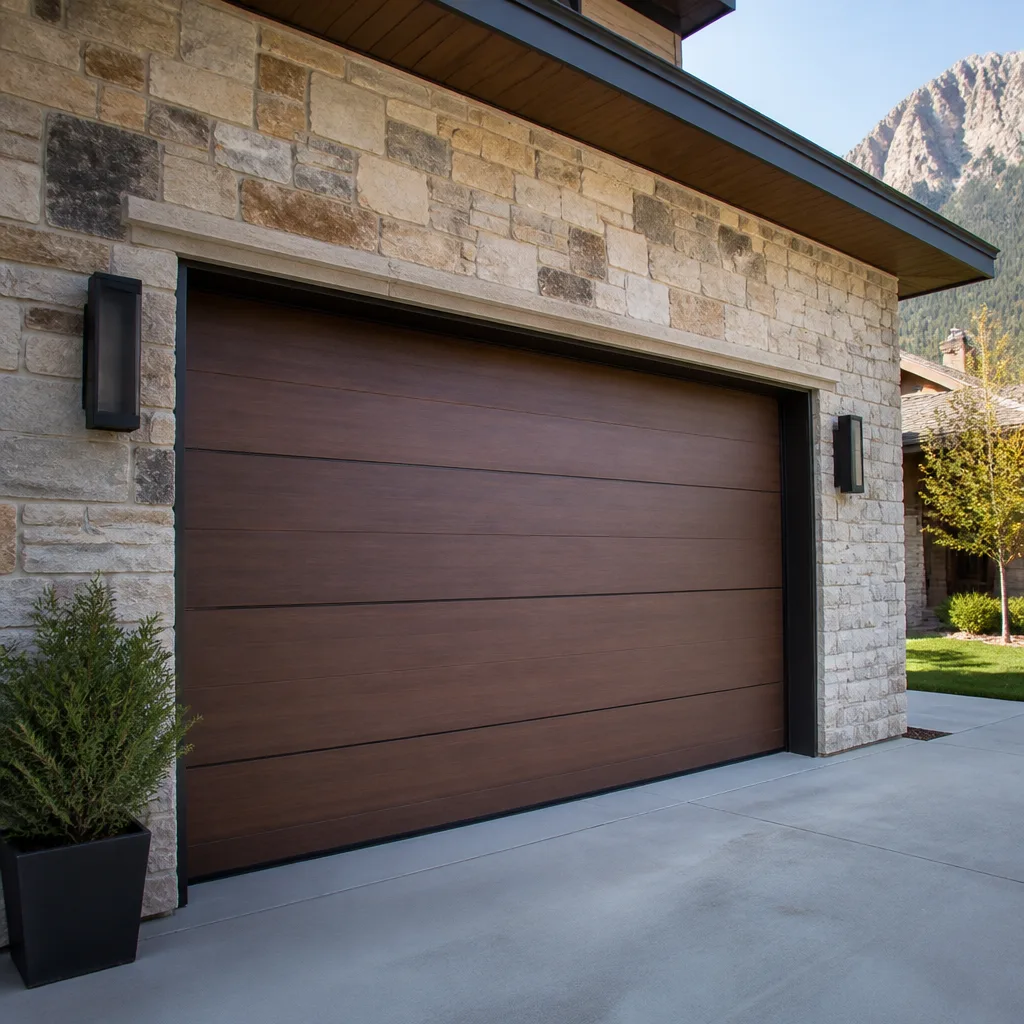 Modern flush
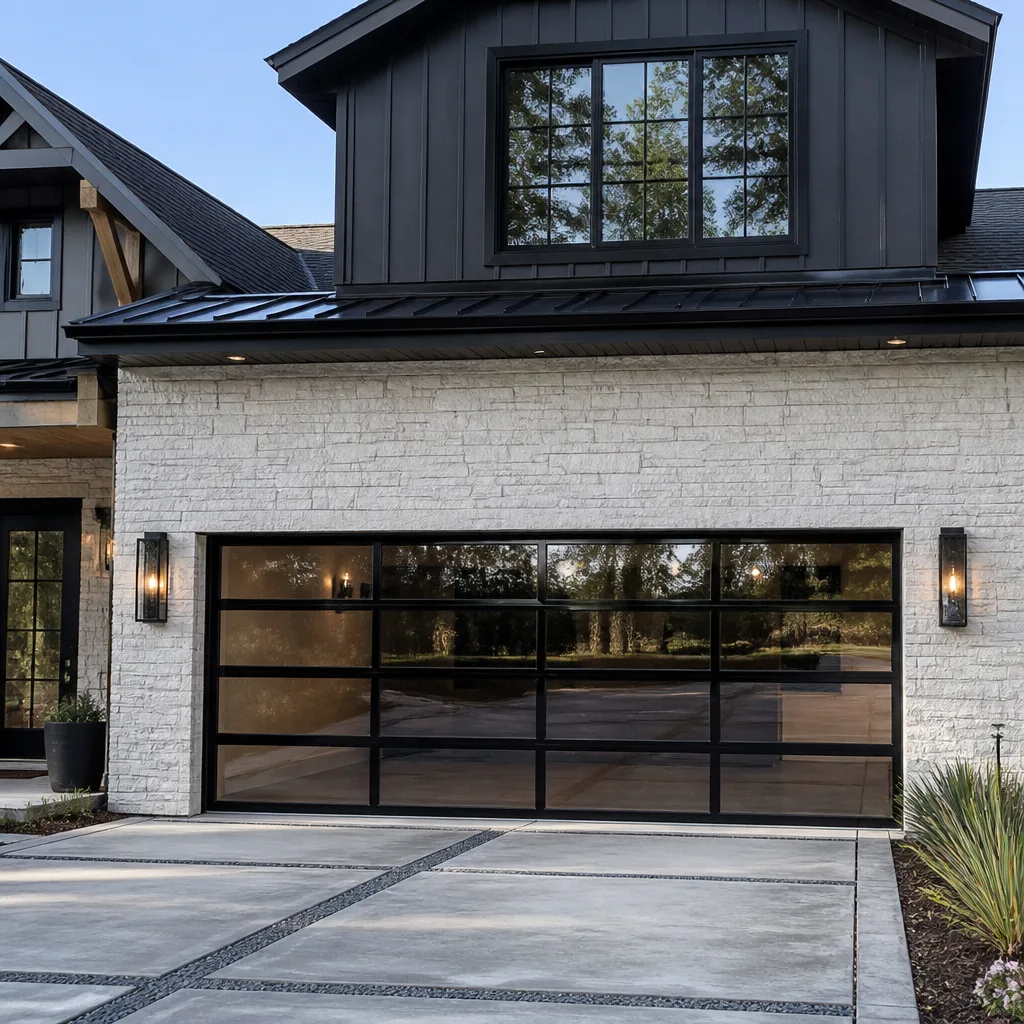 Full-view glass
 LiftMaster openers
 Chamberlain openers
Full 25-point door and opener safety check with every visit - springs, cables, rollers, tracks, and your LiftMaster or Chamberlain opener included
You get a price before we start. It does not change when the pro arrives.
Get your free estimateGarage Door Permits, Codes & Inspections in Detroit, MI: What You Need to Know
Most Detroit homeowners assume that swapping out a garage door is the kind of work you just go ahead and do. That assumption holds up fine until the door comes with new framing, a new opener, or a house inside a historic district, and then the rules change. A like-for-like panel replacement is one conversation. A structural change, a fresh electrical circuit, or a door on a protected block is a different one, and the paperwork catches up with you at resale rather than at the curb. This guide walks through when the City of Detroit wants a permit, how the historic overlays work, where Wayne County rules stop and city rules start, and what an inspector actually checks when the install is done.
Quick Answer
In most cases, replacing a garage door with the same size and style in the same opening does not require a building permit, but changing the opening, adding structural framing, running a new electrical circuit for an opener, or installing a door in a historic district usually does. The City of Detroit handles building and electrical permits through its Building Safety Engineering & Environmental Department, and protected neighborhoods can add design review on top. When in doubt, call the city’s building department before you order the door, not after.
Styles & brands we work with
- Raised-panel steel
- Carriage house
- Modern flush
- Full-view glass
- LiftMaster openers
- Chamberlain openers
Table of Contents
- What actually triggers a permit in Detroit?
- Like-for-like replacement vs. a structural change
- Historic districts: Boston-Edison, Indian Village and design review
- New openers and the 240V circuit question
- City of Detroit vs. Wayne County jurisdiction
- How to request an inspection and what inspectors look for
- How Detroit weather shapes the door and the code conversation
- What to ask a contractor before work starts
What actually triggers a permit in Detroit?
A garage door permit becomes necessary the moment the work stops being a straight swap and starts touching the structure, the electrical system, or a protected property. The City of Detroit issues permits through its Building Safety Engineering & Environmental Department, and the department’s basic test is simple: is this repair and replacement of an existing assembly, or is it new construction and new wiring? Most homeowners are surprised less by the existence of the rule than by how narrow the “no permit needed” window actually is.
These are the situations that typically pull a Detroit garage door project into the permit process:
- Changing the size of the opening. Widening, raising, or reframing the rough opening means altering the header and the wall structure, which is structural work.
- Converting a carport or an open bay into an enclosed garage. Adding walls and a door where there were none is new construction.
- Installing a new electrical circuit for an opener. A dedicated circuit, especially a 240V line for a heavier commercial-style unit, is electrical work and generally needs its own permit.
- Replacing a door in a historic district. Design review can apply even when the physical work is like-for-like.
- Repairs after structural movement. If the door failed because the header sagged or the framing shifted, correcting the cause is structural.
Swapping one door for another door of the same dimensions in the same frame, with the same type of track and the existing opener, is the case that most often falls outside the building permit requirement. That’s a general rule of thumb, not a ruling on your specific house. The building department is the authority on your address, and a quick call settles it. If you’re unsure whether your project is repair or replacement, it helps to talk it through with a company that handles both, and that’s exactly the kind of question we field at Vantage Garage Door Repair before anyone orders a door.
Like-for-like replacement vs. a structural change
The line between a replacement and a structural change is the single most useful thing to understand before you spend money. A like-for-like replacement keeps the opening, the framing, the header, and the electrical service exactly as they are, and only the door and its hardware change. A structural change alters the building itself. Detroit inspectors care about the second category because that’s where a garage stops being maintenance and becomes construction.
Here’s how a straightforward replacement usually runs, and where the fork appears:
- Measure the existing opening and the headroom. The new door has to sit in the same hole with the same track configuration.
- Confirm the door type. Sectional, tilt-up, or roll-up, and the same general weight class. This is where a Craftsman or Raynor setup stays a Craftsman or Raynor setup.
- Check the framing and the header. If the wood is sound and the opening is square, you stay in replacement territory.
- Reuse the existing opener and wiring where it’s serviceable. No new circuit means no electrical permit.
- Hang the new door, balance it, and test the safety reverse. No inspection is typically scheduled because no permit was pulled.
The fork appears at step three or four. Rotted framing, a sagging header, or a homeowner who wants a heavier door with a new high-torque opener runs into structural or electrical work, and both of those usually want a permit. In our experience, the projects that cause trouble later aren’t the obviously big ones. They’re the ones where the framing was quietly repaired during a “simple replacement” and nobody documented it. When the question is repair or replace, sorting out which side of that line you’re on comes before anything else, and that’s the conversation behind our garage door repair work in Detroit.
Historic districts: Boston-Edison, Indian Village and design review
Detroit has a deep stock of historic housing, and neighborhoods like Boston-Edison and Indian Village carry overlay protections that reach all the way to the garage. In those areas, the door you choose can be reviewed for style, material, and proportion even when the physical work is a same-size replacement. This is the piece most homeowners miss, because the permit office and the historic review are two separate conversations.
Broadly, design review in a historic district tends to focus on:
- Material. Whether the door reads as wood, steel, or aluminum, and whether it matches the period character of the house.
- Panel style and window configuration. Raised-panel versus flush, and whether glazing is appropriate for the era of the home.
- Color. Palettes that fit the district rather than the showroom.
- Proportion. A door that visually overwhelms or undersells the garage opening.
None of that is a reason to avoid the work. It’s a reason to check before you order. The sequence that keeps a historic-district project moving is straightforward: confirm with the city whether your address sits inside an overlay, get the design requirements in writing, choose the door against those requirements, then schedule the work. A brand-neutral installer can steer you toward a door that fits the house instead of whatever happens to be in stock, which matters more in Boston-Edison than almost anywhere in Detroit. If your home is in a protected district, ask about design review at the very first conversation.
New openers and the 240V circuit question
A garage door opener is where electrical scope sneaks into a project that started as a door swap. Replacing a failed opener with a new unit that plugs into the existing outlet is one thing. Adding a dedicated circuit, or running a 240V line for a heavier commercial-grade opener, is electrical work, and it generally requires a separate electrical permit pulled by a licensed electrician. The building permit for the door and the electrical permit for the circuit are two different approvals.
The practical order of operations matters here:
- Decide the opener before the door. The door weight and the opener’s lift capacity have to match, and so does the power it needs.
- Check the existing service. If there’s already a suitable outlet on a properly protected circuit, a standard residential opener like a current LiftMaster or Chamberlain unit usually drops right in.
- Bring in a licensed electrician when a new circuit is required. That electrician pulls the electrical permit and does the wiring.
- Have the opener installed and safety-tested after the electrical inspection. The travel limits, force settings, and photo-eye alignment all get checked last.
One safety note that belongs here rather than buried in a manual: garage door springs and cables are under extreme tension, and the torsion spring above the door in particular can cause serious injury if handled without the right tools and training. Panel and opener work is one level of risk. Spring and cable work is another entirely, and it belongs with a trained professional. If you’re hiring an electrician for a new circuit, ask whether the opener itself is part of the electrical scope or gets installed afterward, because those two answers change the order of the job. Our garage door opener repair team works alongside licensed electricians on Detroit projects where new wiring is in play, and we’ll tell you plainly when the circuit is a job for someone else.
City of Detroit vs. Wayne County jurisdiction
One of the most common sources of confusion for metro Detroit homeowners is which government actually has authority over their garage door project. The short answer: permit authority follows the property line, not the mailing address. If your house sits inside the City of Detroit, the city’s Building Safety Engineering & Environmental Department issues the permit and conducts the inspection. If it sits in a suburban community within Wayne County, the city or township where the house is located runs its own permit and inspection process, and Wayne County’s role is different.
Homeowners trip over this in a few predictable ways:
- They call the county for a Detroit address. City properties go through the city, not the county.
- They assume a Detroit permit covers a suburban rental or family property. Each municipality has its own process and its own inspector.
- They use a contractor from the wrong side of the line. A crew used to one jurisdiction’s paperwork can stumble on another’s.
- They assume the rule they heard from a neighbor applies to them. Overlay districts and permit thresholds can differ street to street.
The fix is unglamorous and effective: look up which municipality your property sits in, call that municipality’s building department, and ask two questions. Does this specific work need a permit, and who is allowed to pull it? The answers take five minutes and save weeks. When we quote a garage door job anywhere in the Detroit area, we ask which jurisdiction the property is in before we talk about scheduling, because it changes the timeline, not the price.
How to request an inspection and what inspectors look for
If your project did require a permit, the inspection is the step that closes it out. In Detroit, you request the inspection through the city’s building department once the work is at the right stage, and the permit typically needs to be visible or available at the site. Timelines vary with the department’s workload and the type of inspection, so the useful move is to ask when you pull the permit rather than assume. The permit and the inspection hold up at resale, and that’s the whole point.
Here’s the sequence that keeps an inspected project on track:
- Pull the permit before work starts. Not during, not after. Inspectors notice.
- Complete any electrical work and request the electrical inspection. Rough-in electrical is usually inspected before the opener goes in.
- Finish the door installation and the structural work. Framing, header, and attachment are all part of what gets looked at.
- Request the final building inspection. Ask the department what stage they want to see and what they want accessible.
- Keep the signed-off permit and inspection record with your home documents. This is the paper that answers questions years later.
On a garage door install, inspectors are generally checking that the opening was framed correctly if it changed, that the door and track are securely attached, that the header and jambs are sound, and that the electrical work was done under a separate permit by someone licensed to do it. They are not there to grade your color choice. The old permit records, the inspection sign-off, and a clean final report are what a buyer’s inspector is looking for, and that’s the difference between a project that closes and one that reopens. Vantage Garage Door Repair handles the door and opener side of that sequence and tells you clearly which parts of the job need a licensed trade.
How Detroit weather shapes the door and the code conversation
Detroit’s winters are hard on garage doors in ways that don’t show up in a showroom. Freeze-thaw cycles work on the concrete at the threshold, road salt tracks in on the car and sits on the bottom section, and the temperature swings push the door’s steel and its weather seals through a lot of expansion and contraction over a season. That doesn’t change the permit rules, but it changes which door and which hardware make sense, and it’s the reason a cheap door and a heavier door age very differently here.
A few Detroit-specific things worth factoring into the decision:
- Bottom-section corrosion. The lowest panel takes the salt and the slush, so an insulated steel door with a decent bottom seal lasts noticeably better than an unsealed one.
- Thermal performance. An attached garage shares walls with the house, and an insulated door helps hold heat where it belongs during a Michigan cold snap.
- Spring and cable wear. Cold makes metal more brittle, and a door that ran fine in October can sound different in January. That’s a maintenance signal, not a permit question.
- Threshold and drainage. Water that pools at the garage door in a thaw finds its way into the concrete and the framing, which is exactly the kind of damage that turns a replacement into a structural repair.
In our experience, the door choice and the code conversation are connected more often than homeowners expect. A heavier insulated door needs a matching opener and sometimes a heavier track, and if that pushes into new electrical work, a permit enters the picture. Picking the door against Detroit’s climate first, then checking the code implications, keeps the project honest. If you’re weighing a full door replacement, our guide to garage door installation covers the measuring and scheduling side of that work.
What to ask a contractor before work starts
The permit question is one of the few places in home repair where a contractor’s honesty shows up before the work begins. A crew that tells you what needs a permit, and which parts of the job need a licensed electrician or a historic review, is a crew that’s going to be straight with you about the repair itself. A crew that waves the question away is a crew that will leave you holding the paperwork if an inspection comes up at resale.
Ask these questions before anyone orders a door:
- Does this specific job need a permit in my municipality? If the answer is “never,” ask why. It’s sometimes right and sometimes not.
- Who pulls the permit, and is the fee in the written estimate? The estimate should reflect the whole job.
- Does the electrical work need its own permit and a licensed electrician? A new circuit almost always does.
- Is my address in a historic overlay? Boston-Edison and Indian Village are the ones homeowners ask about most, but overlays exist elsewhere in Detroit.
- Will the final inspection documentation be provided to me? You want the signed-off record, not a verbal “all done.”
- What happens if the framing turns out to be worse than expected? The answer tells you whether the estimate is real or a number to get in the door.
One more thing worth saying plainly: the price is quoted and agreed before any work starts, and the written estimate sets the final price. If a contractor can’t tell you whether the job needs a permit, they aren’t in a position to give you a real estimate. Our technicians have up to 14 years of experience and work across the major brands you’ll find installed in Detroit homes, so they can usually tell you at the first visit whether your job is a swap or something more. If you’ve already got a door and opener in place, we work on what you already have, whether it’s a Craftsman, a Raynor, a LiftMaster, or something older.
Common Mistakes to Avoid
- Skipping the permit on a job that quietly became structural. A “simple replacement” that involved reframing the opening is no longer simple, and the inspector at resale sees what the city never signed off on.
- Ordering the door before checking the historic overlay. In Boston-Edison or Indian Village, a door that doesn’t meet the design requirements can be a return, not an install. Confirm the requirements first.
- Assuming a new opener plugs into a permit-free project. A dedicated or 240V circuit is electrical work, and it needs its own permit and a licensed electrician.
- Calling the county for a city property. Detroit addresses go through the City of Detroit’s building department, not Wayne County. Each suburb runs its own process.
- Treating the inspection as the contractor’s problem to remember. You own the house and the permit record. Ask for the signed-off documentation and keep it.
- Letting salt and slush go unaddressed at the threshold. Water sitting at the bottom seal through a Detroit thaw is how a replacement becomes a structural repair the next time around.
- Taking a “never needs a permit” answer at face value. Sometimes it’s true. It’s worth one five-minute call to the building department to know which case you’re in.
See the difference
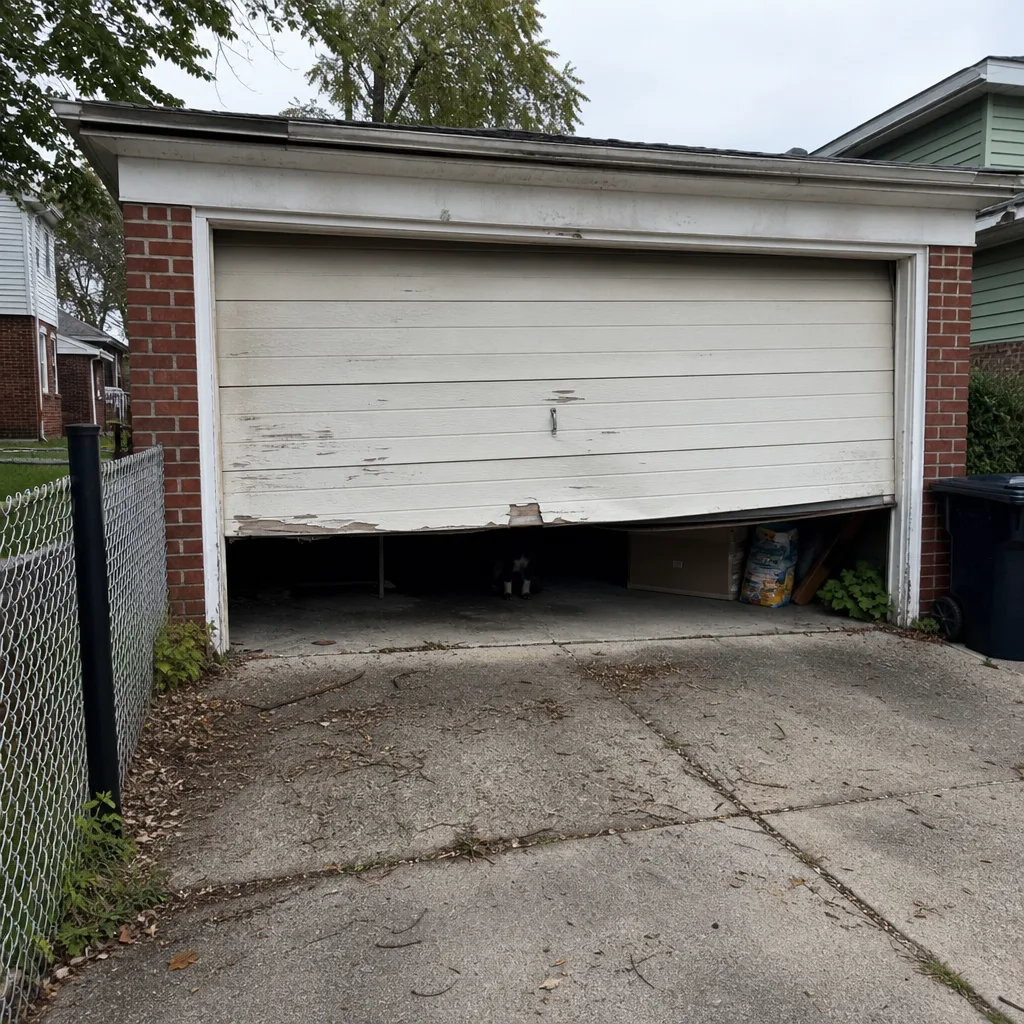 Before
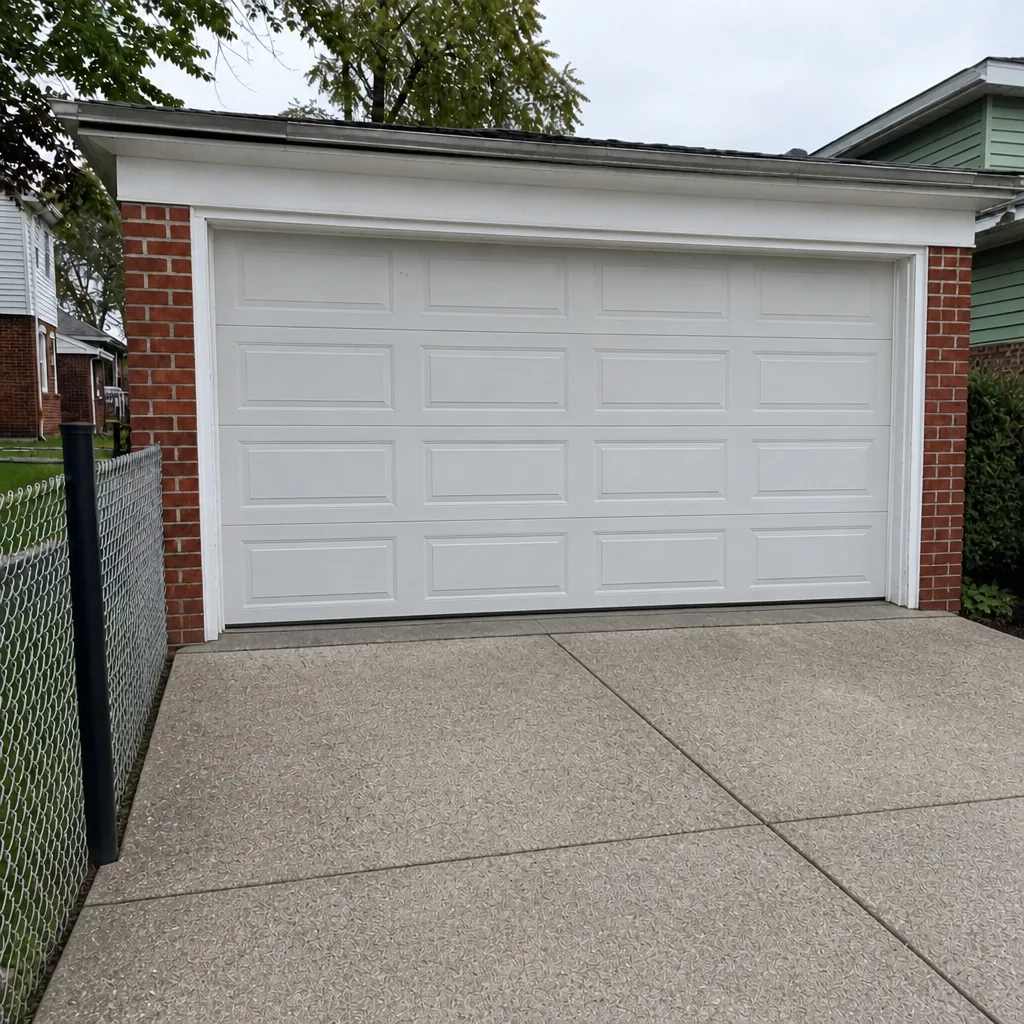 After
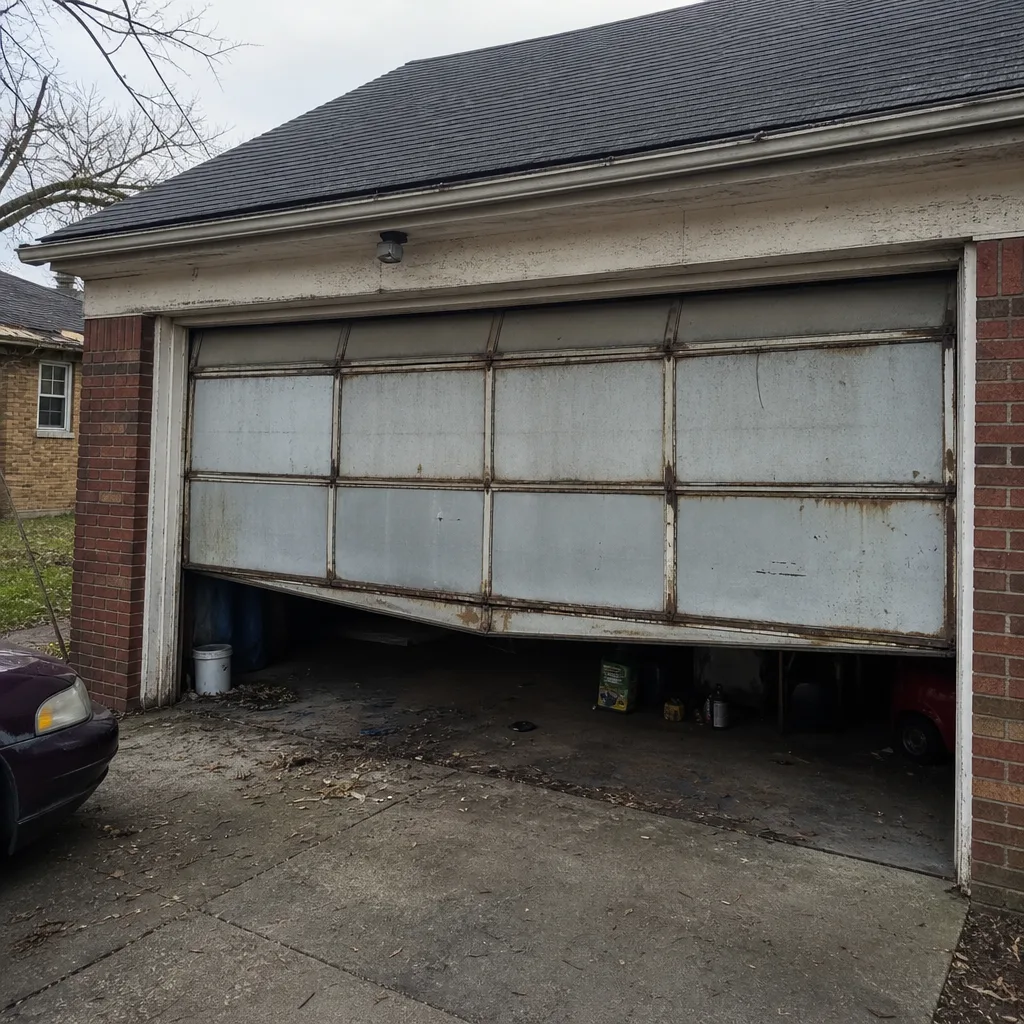 Before
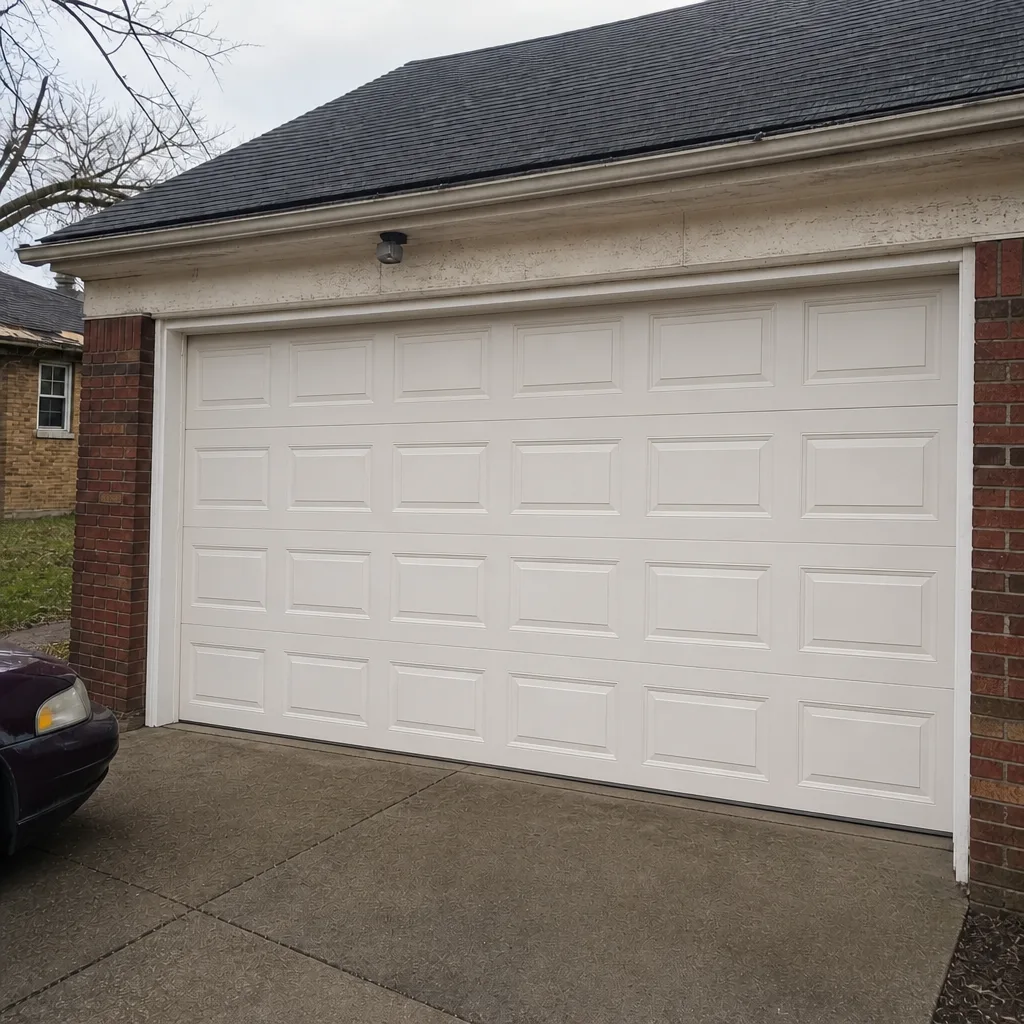 After
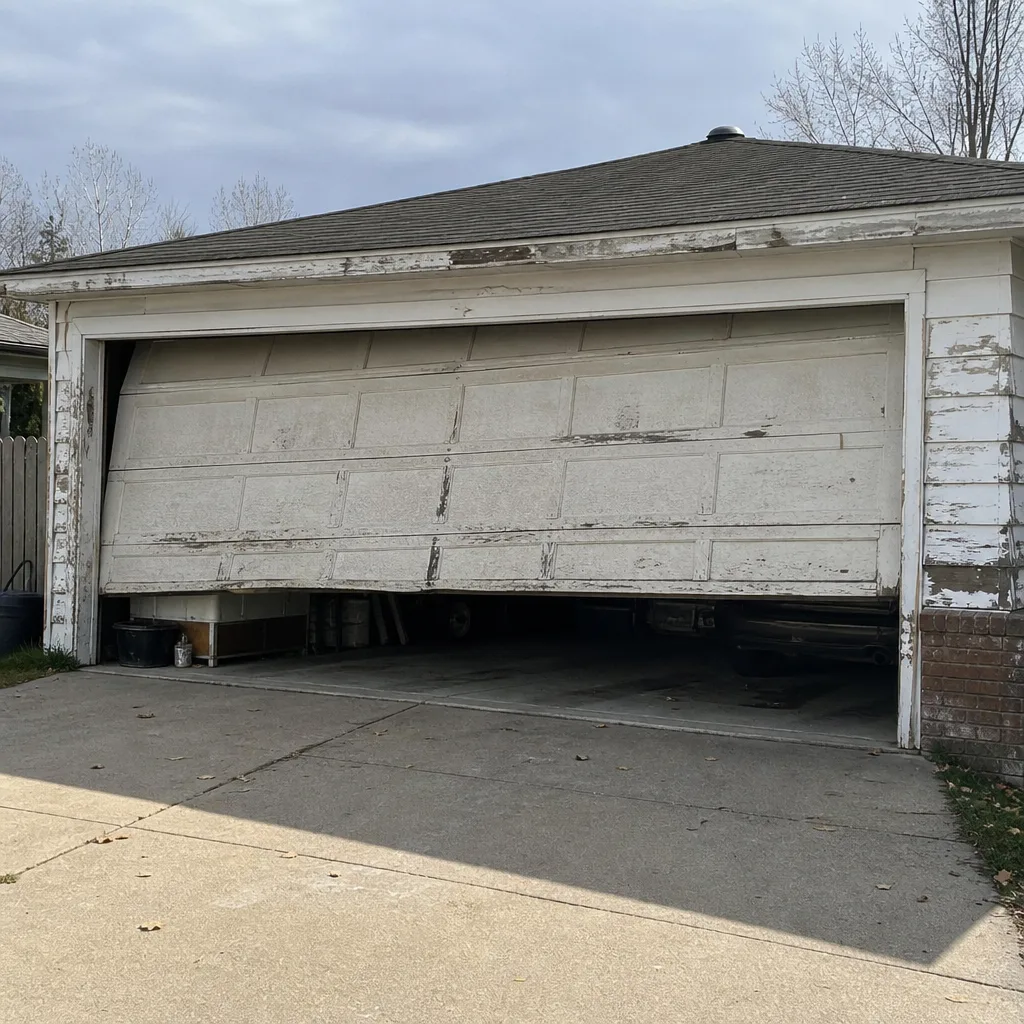 Before
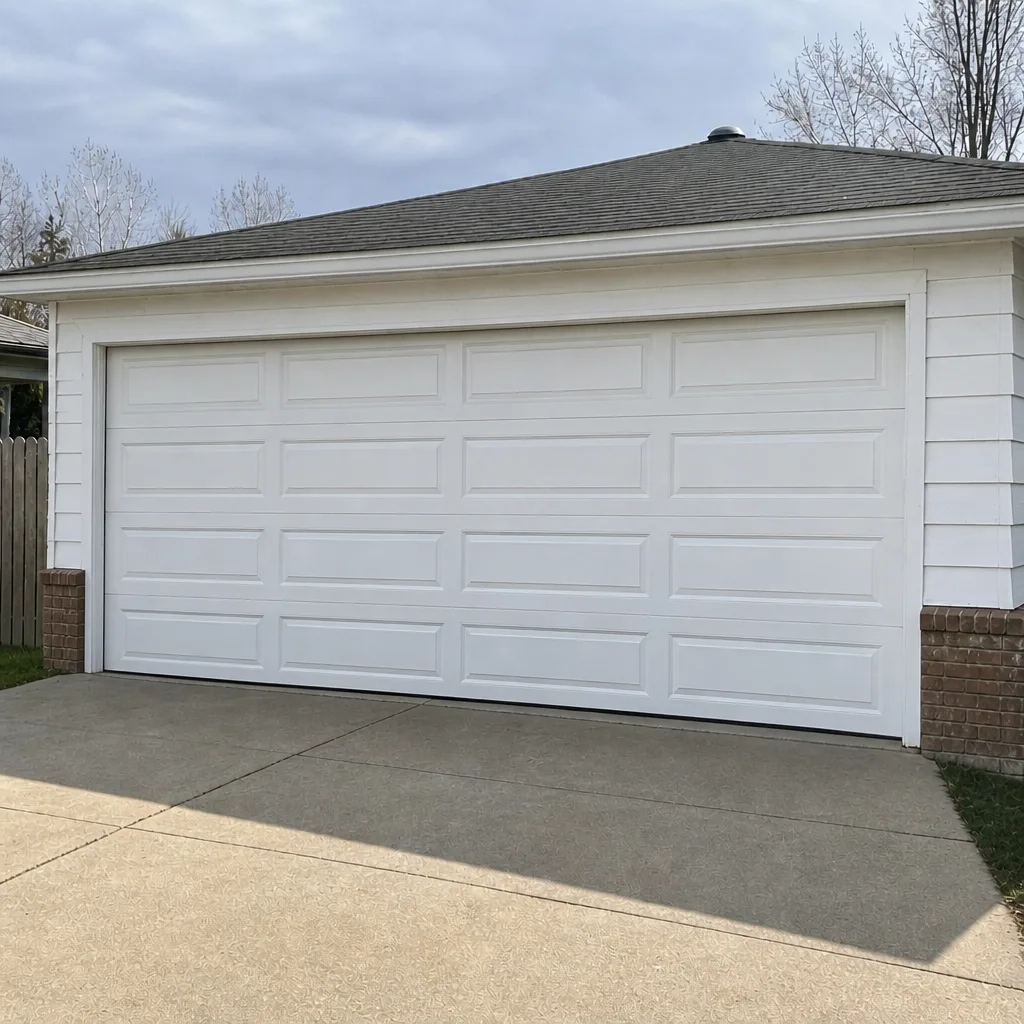 After
When to Call a Professional
Some garage door questions belong in a phone call rather than a forum thread. If you’re unsure whether your project crosses into permit territory, if the door is out of balance or the opener is straining, if a spring has failed, or if you’re weighing repair against replacement and don’t want a sales pitch steering the answer, that’s a call. The same goes for a door that sounds different after a Michigan cold snap, or a bottom section that’s starting to show corrosion at the threshold.
Vantage Garage Door Repair offers free estimates in Detroit. Call (888) 804-9214. We answer 24/7. Fast dispatch from 7am to 7pm, Sunday through Friday. A call outside dispatch hours is booked into the next opening. The written estimate sets the price, and the price is quoted and agreed before any work starts.
Frequently Asked Questions
Usually not, if it’s a same-size, same-style replacement in the existing opening with no structural or electrical changes. You likely do need one if the opening is being reframed, a new electrical circuit is being added for the opener, or the home sits in a historic district with design review. Call the City of Detroit’s Building Safety Engineering & Environmental Department for a definitive answer on your address. Call (888) 804-9214 for a free estimate on the door side of the job.
It depends on the wiring. Replacing a failed opener with a new unit that plugs into the existing outlet typically doesn’t, but a dedicated new circuit or a 240V line for a heavier unit generally does, and that work belongs with a licensed electrician who pulls the electrical permit. The door permit and the electrical permit are separate approvals. Call (888) 804-9214 and we’ll help you sort out which side your project falls on – estimates are free.
Design review in these neighborhoods can cover door material, panel style, window configuration, and color, even when the work is a same-size replacement. The requirements vary by district, so the reliable move is to confirm with the city whether your address has an overlay and get the design standards in writing before ordering. Choosing a door against those standards early avoids a return. Call (888) 804-9214 for a free measure and a written price once you know what your district allows.
Whichever municipality the property sits in. A house inside the City of Detroit goes through the city’s building department; a house in a suburban Wayne County community goes through that city or township’s own permit process. Permit authority follows the property line, not the mailing address. Call (888) 804-9214 and we’ll confirm the jurisdiction before quoting – estimates are free.
On a permitted install, the inspector typically checks that any changed framing and header are sound, that the door and track are securely attached, and that any electrical work was done under its own permit by a licensed electrician. It’s a structural and safety check, not a cosmetic one. The signed-off record is what protects you at resale. Call (888) 804-9214 if you want the door and opener side handled correctly the first time.
No, not on a job we’ve measured and quoted in writing. The price is set by the written estimate and agreed before any work starts, so an inspection surprise or a heavier door doesn’t turn into a bigger invoice. If the framing turns out to be worse than the estimate expected, that’s a conversation before we continue, not a line item after. Call (888) 804-9214 for a free estimate – the written quote is the price.
The Bottom Line
Detroit garage door rules come down to three questions. Is the opening, the framing, or the electrical service changing? Is the address inside a historic overlay? And which municipality holds the permit authority? Get those three answered before you order a door and the project stays simple. Get them answered after, and the paperwork catches up at resale. The building department is the authority on your address, and a five-minute call is cheaper than a re-inspection. If you’re ready to move on the door, opener, or both, call (888) 804-9214 for a free estimate. We answer 24/7. Fast dispatch from 7am to 7pm, Sunday through Friday.
Written by the team at Vantage Garage Door Repair.