
Last updated November 15, 2026
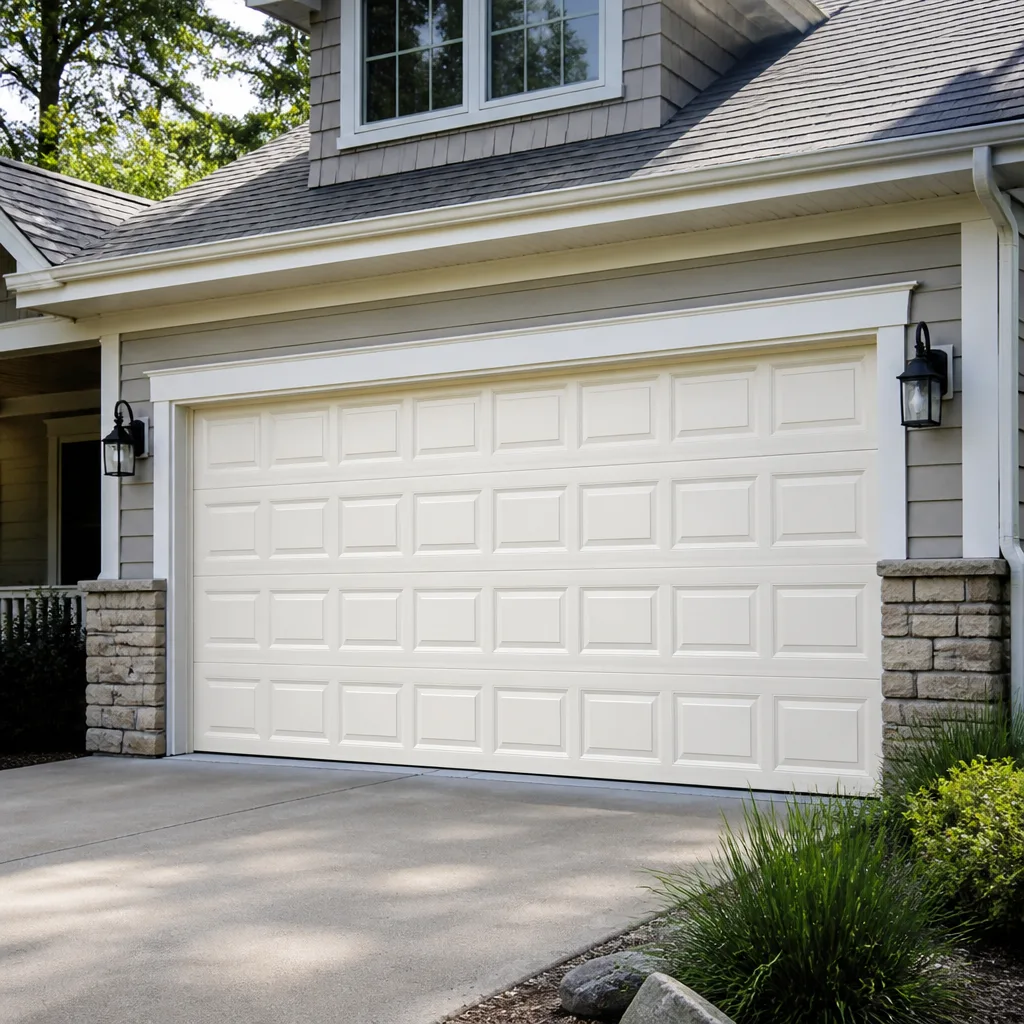 Raised-panel steel
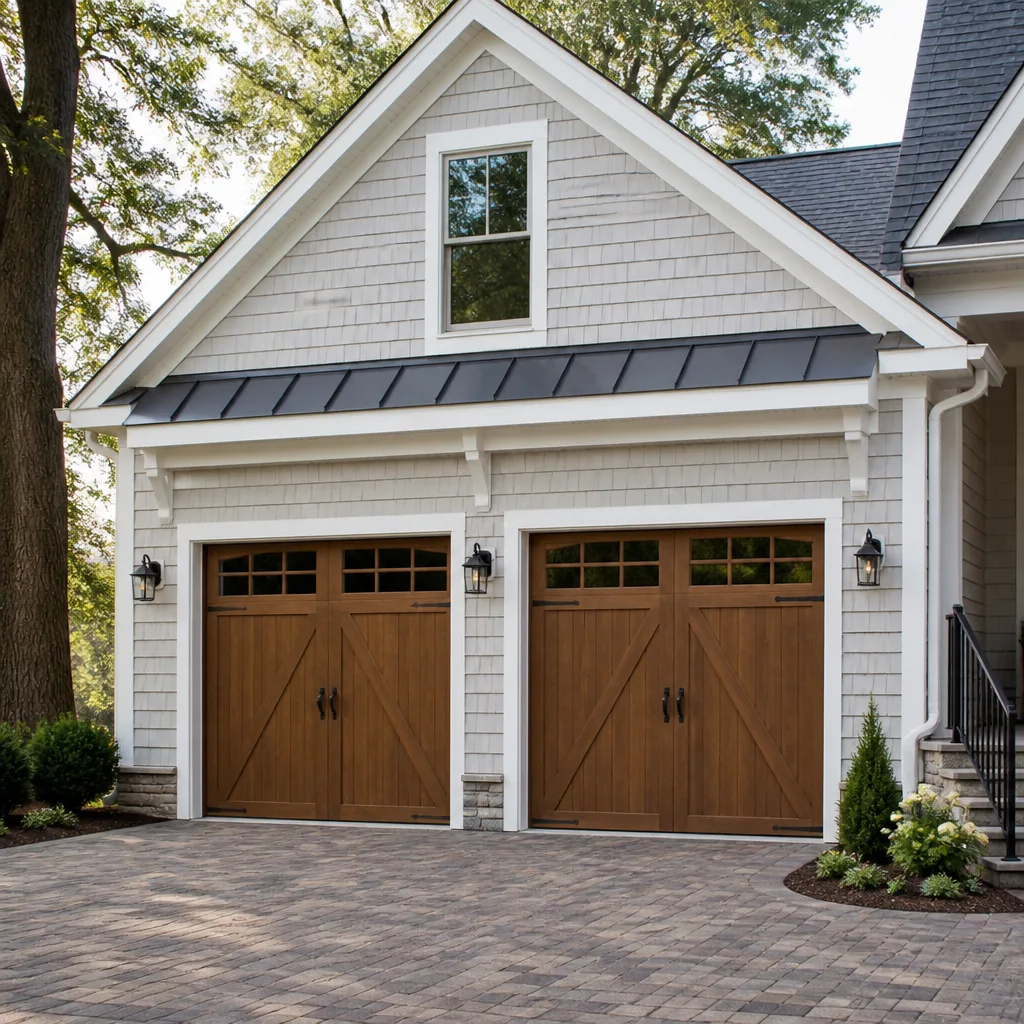 Carriage house
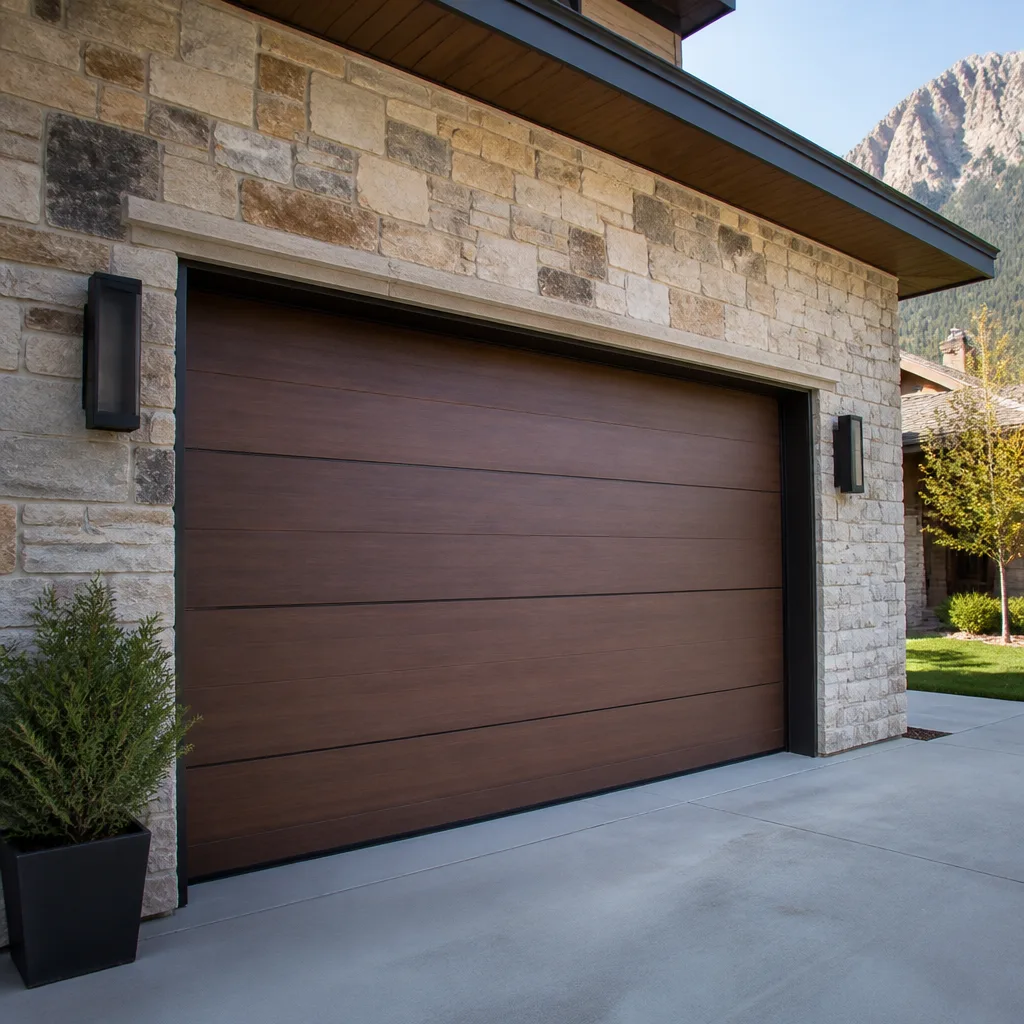 Modern flush
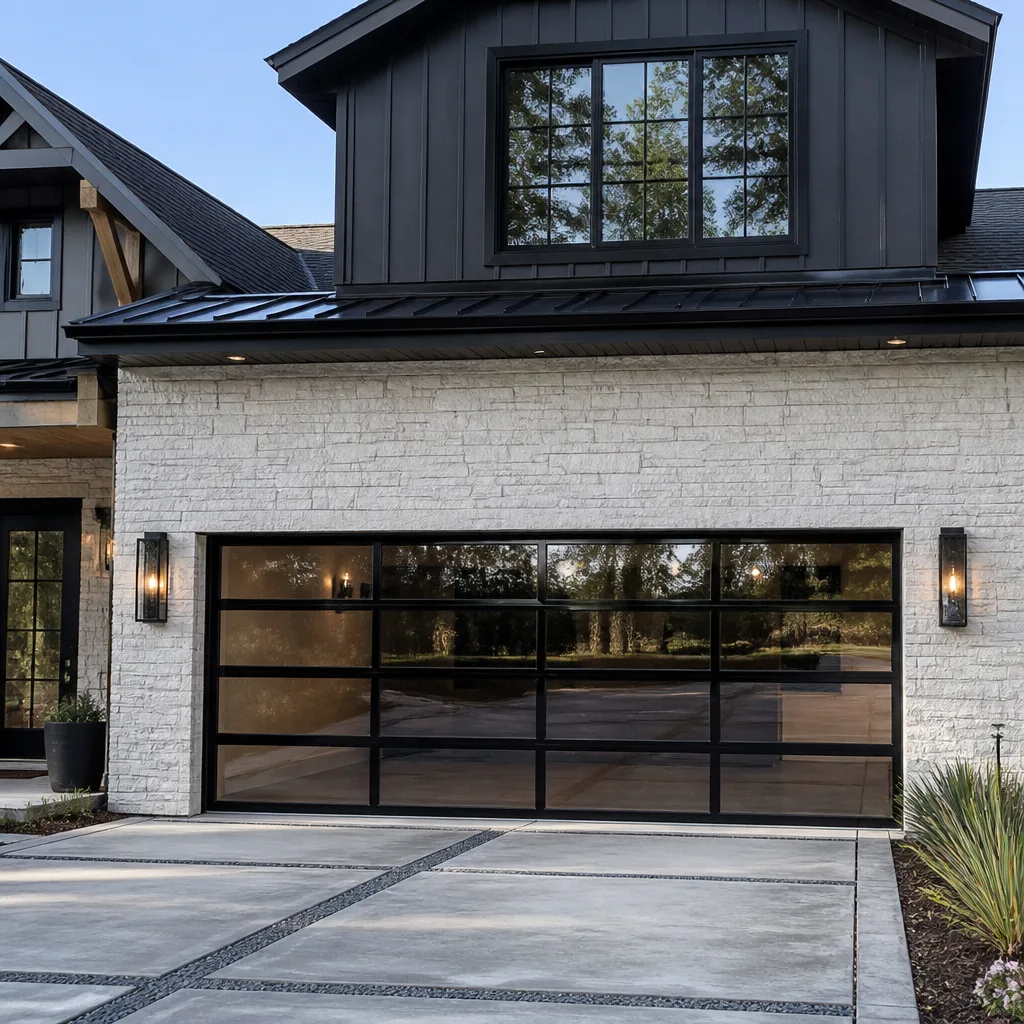 Full-view glass
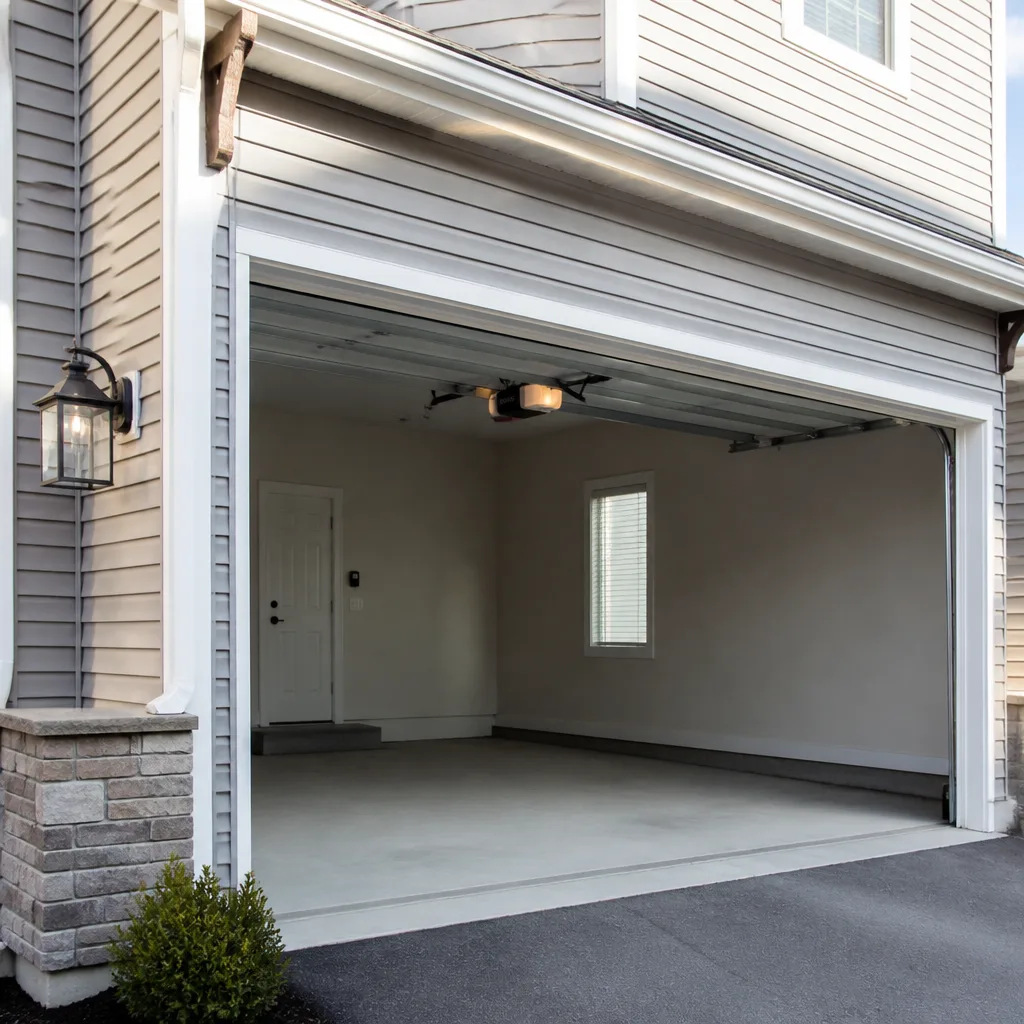 LiftMaster openers
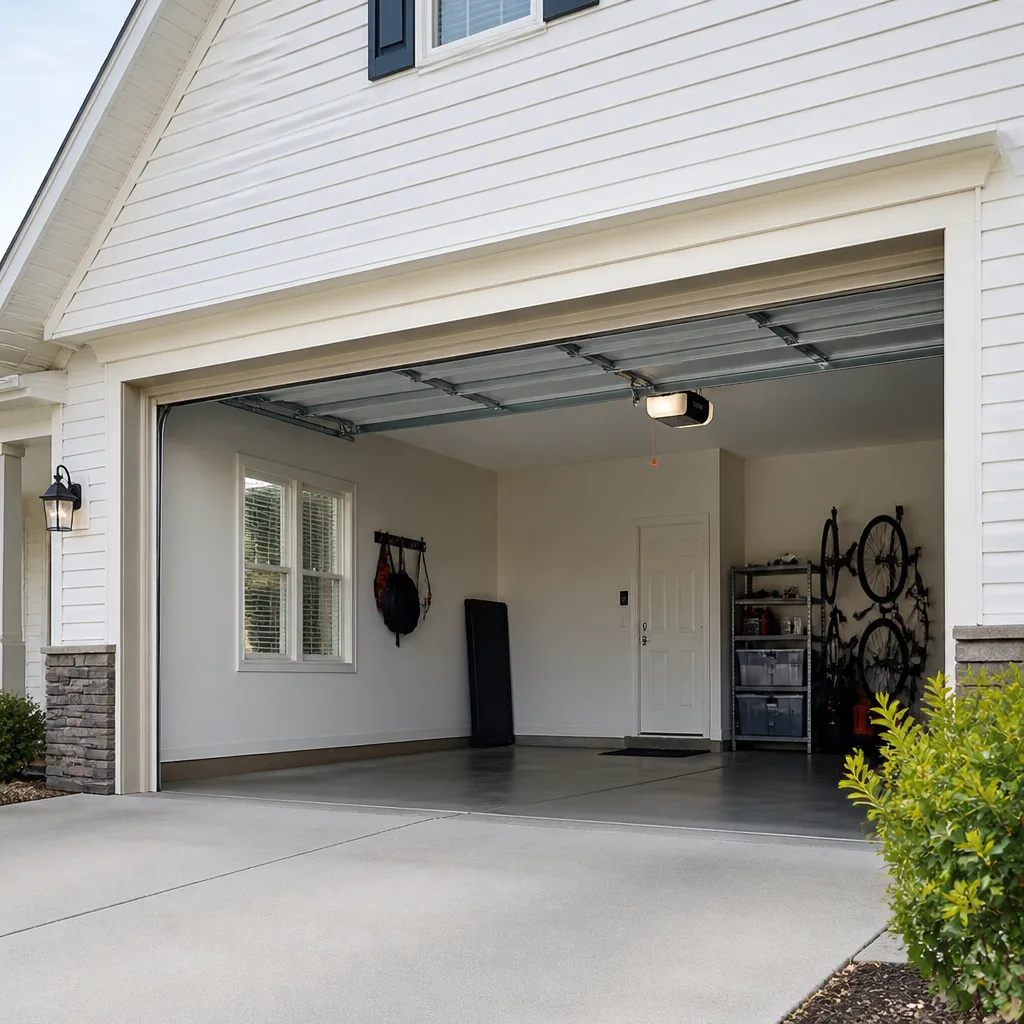 Chamberlain openers
Full 25-point door and opener safety check with every visit - springs, cables, rollers, tracks, and your LiftMaster or Chamberlain opener included
You get a price before we start. It does not change when the pro arrives.
Get your free estimateGarage Door Cost Breakdown: The Detroit Homeowner’s Reference for 2026
Most national garage door cost guides are built on numbers that don’t apply to Detroit. They’re averaged from Sun Belt markets where concrete is poured year-round, winters don’t crack steel, and a standard opening is actually square. Bring those benchmarks to a 1920s bungalow on the east side and you’ll either overpay or dismiss a fair quote as too high. This guide gives you the real picture: what garage door work typically costs in Detroit in 2026, why the ranges run wider here than national averages suggest, what drives the variance, and how to read a written estimate before you sign anything. You’ll find cost tables, lifespan math, and a checklist for spotting a padded quote.
Quick Answer
Garage door costs in Detroit typically run $180 to $340 for a single torsion spring replacement, $350 to $800 for a panel or section replacement, $900 to $1,800 for a full door installation, and $150 to $450 for an opener repair or upgrade. These estimates vary with door size, material, insulation, and the condition of the existing framing. The written estimate you receive before work starts is the final price.
Styles & brands we work with
- Raised-panel steel
- Carriage house
- Modern flush
- Full-view glass
- LiftMaster openers
- Chamberlain openers
Table of Contents
- Why Detroit Prices Differ From National Averages
- 2026 Detroit Cost Breakdown by Project Type
- Spring and Cable Repair Costs
- Panel and Section Replacement Costs
- Opener Repair and Upgrade Costs
- Full Installation Costs and the Insulation Question
- Hidden Costs in Detroit’s Older Housing Stock
- Repair and Extend vs. Full Replacement
- How to Read a Fair Quote
- Common Mistakes to Avoid
- When to Call a Professional
- Frequently Asked Questions
- The Bottom Line
Why Detroit Prices Differ From National Averages
National averages for garage door work are skewed by a few realities that don’t exist here. Sun Belt markets have a longer building season, less freeze-thaw cycling on hardware, and a large share of newer homes with standard openings. A door installed in a Georgia subdivision in 2015 is a straightforward swap. A door hanging in a pre-war Detroit house may sit in an opening that’s out of square, framed in wood that’s been swelling and drying for seventy winters, with a header height that hasn’t been standard since Eisenhower.
That structural reality pushes Detroit labor costs in a specific direction. The baseline labor rate for a spring swap or opener diagnostic is roughly comparable to mid-size Midwest markets. The swing comes on jobs where the existing structure needs attention: re-framing, shimming, hardware retrofit, or replacing rotted jambs before the new door can be hung.
Material shipping is the second factor. Doors and openers move through regional distribution, and freight to southeast Michigan is priced accordingly. A standard steel door that lists at one price nationally may run a bit higher here once freight is baked into the installer’s cost.
- Detroit labor rates: roughly in line with other Midwest metros for standard repairs; higher for jobs requiring framing or structural correction.
- Material freight: adds a modest premium to door and opener pricing versus coastal and southern markets.
- Housing age: the biggest variable. Pre-1960 homes frequently need opening corrections that new-build markets never see.
- Weather exposure: freeze-thaw cycles and road salt tracked in on tires accelerate corrosion on bottom sections and hardware.
Our technicians have up to 14 years of experience working on the systems already installed in Detroit homes, from older mechanical openers to current LiftMaster and Chamberlain units. We approach every call as a full assessment of what’s under stress, not just the part that broke.
2026 Detroit Cost Breakdown by Project Type
Here’s the line-item view. These are typical 2026 ranges for Detroit, not quotes. Your written estimate sets the final price after the technician inspects the actual opening.
| Project Type | Typical Low | Typical Mid | Typical High |
|---|---|---|---|
| Torsion spring replacement (one spring) | $180 | $260 | $340 |
| Extension spring replacement (one spring) | $150 | $220 | $300 |
| Cable replacement (one side) | $120 | $200 | $320 |
| Roller replacement (set) | $100 | $180 | $260 |
| Panel or section replacement | $350 | $550 | $800 |
| Track replacement (one side) | $200 | $350 | $550 |
| Opener repair | $150 | $260 | $450 |
| Opener replacement (installed) | $350 | $550 | $850 |
| Full single-door installation | $900 | $1,350 | $1,800 |
| Full double-door installation | $1,500 | $2,200 | $3,200 |
| Insulated door premium | $200 | $400 | $800 |
One note on springs: if your door has a matched pair of torsion springs, they’re almost always replaced together. A pair costs about twice the single-spring range above. Springs are matched by cycle life, so replacing one and leaving its twin means the second failure is usually close behind.
These prices assume the opening is in reasonable shape. If the framing is rotted or the opening is badly out of square, the estimate will reflect the extra work. That’s covered below. For a same-day assessment on a broken door, see our garage door repair service.
Spring and Cable Repair Costs
Spring and cable work is the most common garage door repair in Detroit, and the most dangerous. A torsion spring under load stores enough energy to cause serious injury if it’s handled without the right tools and technique. If a spring snaps, don’t try to lift the door or work on the hardware yourself.
The cost range breaks down into three tiers:
- Low tier ($150 – $220): Standard extension spring swap on a lighter, older door. Straightforward access, no adjoining damage.
- Mid tier ($220 – $340): Torsion spring replacement on a standard residential door. This is the most common job. Includes proper tensioning and a balance check.
- High tier ($340 and up): Jobs where the spring failure took a cable, a drum, or a bearing plate with it, or where the door needs rebalancing after years of running on a failing spring.
Detroit’s temperature swings work on springs more than most homeowners realize. A torsion spring cycles twice a day for years, and the expansion and contraction from 90-degree summers down to single-digit winters accelerates metal fatigue. A spring rated for 10,000 cycles may last a decade in a mild climate. Here, the same spring can fail meaningfully sooner.
Cables are the other half of that system. A frayed or kinked cable is a sign the door is running out of balance, and it should be addressed before it lets go. In our experience, cable failures that happen at speed are the ones that damage panels and tracks.
Panel and Section Replacement Costs
A damaged bottom panel is the most common section replacement we see. Detroit cars track in road salt through the winter, and the bottom section of a steel door takes the hit: rust at the seams, dents from a bumper that got too close, and pitting along the weather seal. Because panels are stamped by brand and by model year, matching a section has become harder for older doors.
This is where multi-brand fluency matters. We work on what you already have, whether it’s a Clopay, an Amarr, a Wayne Dalton, or a brand that stopped making that exact profile a decade ago. In some cases a matching section is still available through the manufacturer’s parts channel. In others, the closest match is a different gauge or profile and the homeowner has a choice between a close-match section and a full door replacement.
Typical section replacement pricing in Detroit:
- Single bottom section, standard steel: $350 to $550 installed, if a matching section is available.
- Section plus hardware replacement: $500 to $800, when hinges and rollers on the replaced section need to be swapped too.
- Multi-section or structural panel with window inserts: $600 to $800 and up, depending on profile.
Panel replacement is a scheduled job, not a same-day call. The section has to be identified, ordered, and delivered before the work can be done. That’s true of any installer working in Detroit. What you get from a brand-agnostic diagnostic process is an honest read on whether a matching section actually exists, before you’ve committed to a replacement your door doesn’t need.
Opener Repair and Upgrade Costs
An opener that won’t close the door is not always an opener problem. In a meaningful share of the calls we run, the opener itself is fine and the door is binding because of a spring, a track, or a roller issue. Diagnosing which before replacing a motor is the difference between a $200 fix and a $600 upsell.
When the opener itself is the issue, if you have a Genie, a Chamberlain, a LiftMaster, or a Craftsman, the electronics and the logic board on those systems are repairable. That’s true of older mechanical units and current smart openers with Wi-Fi and phone-app integration alike. Replacing a full unit is sometimes the right answer, but it should be a diagnosis, not a default.
Typical opener pricing in Detroit:
- Gear and sprocket kit replacement: $200 to $350.
- Logic board or circuit board repair: $250 to $450, depending on model and availability.
- Safety sensor replacement or re-alignment: $150 to $250.
- Full opener replacement, installed: $350 to $850, depending on belt vs. chain, Wi-Fi capability, and door weight.
Replacing an opener is a measured job. We’ll spec the unit to your door’s weight and size, recommend a belt drive for quieter operation on a living space above the garage, and schedule the install. If opener troubleshooting is the specific problem, that’s covered on our garage door opener repair page.
Full Installation Costs and the Insulation Question
A new door on a Detroit home is a different decision than in a milder climate. The garage is usually the least-insulated space in the house, and it sits directly under a bedroom or alongside a kitchen in most of the city’s older housing stock. An uninsulated steel door acts as a thin thermal barrier between that space and the outside, and heating costs here reflect it.
The insulation premium on a new door runs $200 to $800 in most cases, depending on R-value, door width, and whether the door comes with factory insulation or needs a retrofit kit. The question isn’t whether to insulate; it’s whether the premium is worth it on your specific home. If your garage shares a wall with heated living space, or there’s a bedroom above it, the insulation premium typically pays back faster here than the national average suggests because the differential between indoor and outdoor temperature is larger and persists longer.
Full door installation pricing in Detroit:
| Door Type | Typical Range |
|---|---|
| Standard single steel, uninsulated | $900 – $1,400 |
| Standard single steel, insulated | $1,200 – $1,800 |
| Double steel, uninsulated | $1,500 – $2,400 |
| Double steel, insulated | $1,900 – $3,200 |
| Carriage-style or premium profile | $2,000 and up |
Installation is a scheduled job. The door has to be measured, ordered, and delivered before the install day. That timeline is usually several days to a couple of weeks, depending on the profile and manufacturer. We’ll give you a written price with the measure and the install lead time in it, so you know exactly what you’re committing to.
Hidden Costs in Detroit’s Older Housing Stock
This is the piece that separates a fair Detroit quote from a national-average quote. The pre-1960 housing stock across the city has garage openings that weren’t built to a standard, and a door that hangs square on a newer home may need framing corrections before a new door can be hung.
Three common issues inflate quotes in Detroit:
- Out-of-square openings. A garage built sixty or seventy years ago has had time to settle, and the opening may be out of square by half an inch or more. That has to be corrected with shimming or re-framing before the new door will sit true and seal properly. Typical added cost: $150 to $500.
- Rotted wood framing and jambs. Detroit winters and the moisture that wicks into exposed wood at the bottom of the opening are hard on jambs. Rotted framing has to be replaced before installation. Typical added cost: $200 to $600.
- Non-standard header heights. A door that fits a modern 7-foot opening won’t fit a garage framed for a lower or custom height. Custom sections add cost. Typical added cost: $300 to $800.
The best way to know whether your opening has one of these issues is to have it measured. A free measure costs nothing and tells you whether the estimate you receive from a contractor is grounded in what’s actually there. If a quote comes in without a measure, ask why.
Repair and Extend vs. Full Replacement
Door age is the starting point, not the answer. A 15-year-old insulated door that’s still running smooth is worth repairing. A 25-year-old uninsulated steel door with rust at the bottom section, failing springs, and a track that’s been hit once too often is probably not. The point in between is where the math gets specific.
Detroit’s temperature stress shortens the useful life of some components. Springs, rollers, hinges, and the bottom section all wear faster here than in milder markets, so a door that a national guide says should last twenty years may need its first serious round of repairs around year twelve to fifteen.
A rough repair-vs-replace comparison at different ages:
- Under 10 years: repair. A single component failure on a newer door is a repair. Full replacement at this age is rarely defensible.
- 10 to 15 years: repair. One or two component failures are still normal. Track the frequency. If you’re calling a technician more than once a year, the math starts to shift.
- 15 to 20 years: this is the decision point. Springs and cables have cycled through their rated life. If the door is also uninsulated and the garage shares a wall with heated space, replacement pays back faster than on a milder-climate home.
- Over 20 years: replacement is usually the better financial choice, particularly if the door has visible section damage, sagging, or a mismatched panel that couldn’t be sourced.
We make repair-versus-replace recommendations based on what your door actually needs, not on what we’d rather sell. Because we can do both, an honest recommendation costs us nothing when it’s the right one.
How to Read a Fair Quote
The written estimate is the price. Everything before it is an approximation. Here’s how to read the estimate in front of you and spot whether it’s padded or fair.
The single most useful check is the parts-to-labor ratio. For most residential garage door repairs, labor runs roughly 40 to 60 percent of the total, with the parts cost making up the rest. A spring replacement where labor is $80 and the part is listed at $300 is a sign of parts markup. A door installation where parts run 55 to 70 percent of the total, and labor covers the rest plus the measure and the install, is in the normal range.
- Check for a free measure before the install quote. A written installation quote without a measure of your actual opening is an estimate of an estimate. Ask for the measure.
- Confirm the scope in writing. Does the quote include new springs, cables, rollers, and hinges, or just the door panel? On a full install, these components should be itemized.
- Ask about the existing framing. A quote that doesn’t mention the jamb or header condition is a quote that hasn’t looked at the opening. Ask whether it includes framing corrections if needed.
- Check the parts-to-labor split. If parts run 75 percent or more of a repair quote with no explanation, ask why the part cost is that high.
- Confirm whether the price is the final price. A good quote states the price is agreed before work begins and specifies what could change it.
The same checklist works whether you’re sitting down with us or another contractor. That’s the point of writing it down.
Common Mistakes to Avoid
- Using a national average as your benchmark. A guide averaged from Sun Belt markets will tell you a Detroit job should cost less than it does, and you’ll dismiss a fair quote. Or it will tell you it should cost more, and you’ll overpay. Use Detroit-specific ranges.
- Replacing a spring pair with a single spring. Matched springs by cycle life are almost always replaced together. Replacing one and leaving the other means the second failure is close behind, and you’ll pay a second labor charge to fix it.
- Accepting an installation quote without a measure. Detroit’s older openings regularly need framing corrections. A quote written before the opening has been measured isn’t grounded in what’s actually there.
- Assuming an opener problem is always the opener. A door that won’t close is often binding on a spring or track issue. Replacing the motor doesn’t fix a door that’s out of balance, and the new motor will fail the same way.
- Skipping the insulation premium on a door that shares a wall with living space. The payback period on insulation is shorter in Detroit than the national averages suggest, because the temperature differential is larger and lasts longer.
- Handling a broken spring or frayed cable yourself. These components store enough energy to cause serious injury. This is a repair to leave to a technician with the right tools and the right knowledge.
- Choosing a contractor based on brand loyalty. If you have a Genie and the contractor only installs LiftMaster, the estimate may be shaped by what they sell rather than what your door needs. We work on what you already have.
When to Call a Professional
Call a professional the moment you see a broken spring, a frayed or kinked cable, a door that hangs crooked, or an opener that reverses without reason. A door that’s out of balance is a safety hazard, and a spring or cable failure at the wrong moment can be genuinely dangerous. Don’t try to lift a door that won’t open; don’t try to tension a spring without the proper tools.
For an opener that won’t respond, a remote that’s stopped working, a door that’s binding on one side, or a section with visible damage, call and get a diagnosis. Our technicians handle the full system from opener to panel, and we can tell you honestly whether you need a repair or a replacement. For scheduling, you can call Vantage Garage Door Repair or check our Detroit service page.
Vantage Garage Door Repair offers free estimates in Detroit. Call (888) 804-9214. We answer 24/7. Fast dispatch from 7am to 7pm, Sunday through Friday.
Frequently Asked Questions
Most garage door repairs in Detroit run $150 to $450 for common issues like spring, cable, roller, or opener problems, and $350 to $800 for panel replacement. The written estimate you receive before work starts is the final price. Call (888) 804-9214 for an exact quote. Estimates are free.
Yes, same-day service is often possible on repair calls, including spring, cable, roller, and opener issues. Fast dispatch runs from 7am to 7pm, Sunday through Friday, and we’re closed Saturday. Call (888) 804-9214 early in the day for the best chance at same-day service.
No. The estimate is written and agreed before any work starts, so the price you’re quoted is the price you pay for the scope described. If something unexpected turns up during the job, like a rotted jamb or a cracked drum, we’ll stop and give you a revised estimate before doing any additional work. Call (888) 804-9214 for a free estimate.
Yes. Our technicians are experienced, insured, and bonded, and they work on the full range of residential door and opener systems. Our technicians have up to 14 years of experience. Call (888) 804-9214 to schedule an estimate.
It often does, more so than national averages suggest. If your garage shares a wall with heated living space or has a bedroom above it, an insulated door slows heat loss in both directions, and the larger temperature differential in southeast Michigan means the payback period is shorter. Call (888) 804-9214 for a free measure and estimate before making the decision.
A well-installed door with proper maintenance typically lasts fifteen to twenty-five years, though the springs and cables need replacement earlier, often around ten to fifteen years in Detroit’s climate. The freeze-thaw cycling and road salt exposure at the bottom section tend to shorten the lifespan of steel doors versus milder climates. When your door starts needing a repair every year, it’s a signal that replacement may be the better financial choice. Call (888) 804-9214 to talk through repair vs. replacement.
The Bottom Line
National garage door cost averages won’t help you in Detroit. The ranges that matter here are wider, driven by the city’s older housing stock, its freeze-thaw winters, and the framing corrections many pre-1960 openings need before a new door can be hung. Spring replacement runs $180 to $340 per spring. Panel replacement runs $350 to $800. Opener repair runs $150 to $450. Full installation runs $900 to $1,800 for a single door. Insulation typically adds $200 to $800, and it pays back faster here than national guides suggest. The written estimate is the price, and it’s agreed before any work starts. If you’d like a Detroit-specific estimate with no obligation, call us.
Vantage Garage Door Repair handles the full lifecycle of your garage door, from opener diagnostics to panel replacement to full installation. We work on what you already have, whether it’s a Genie, a Chamberlain, a Clopay, or an Amarr, and we’ll tell you honestly whether your door needs a repair or a replacement. Call (888) 804-9214 for a free estimate. We answer 24/7. Fast dispatch from 7am to 7pm, Sunday through Friday.
Written by the team at Vantage Garage Door Repair.
See the difference
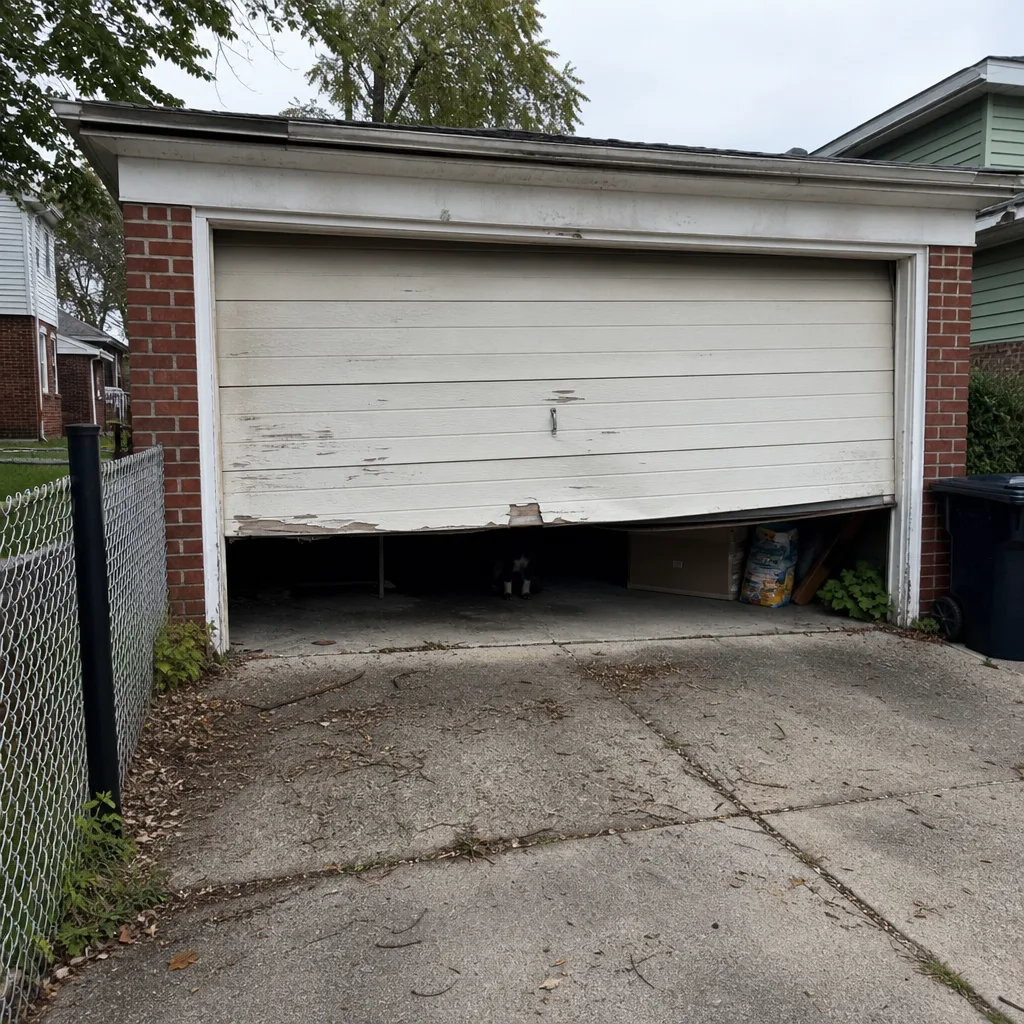 Before
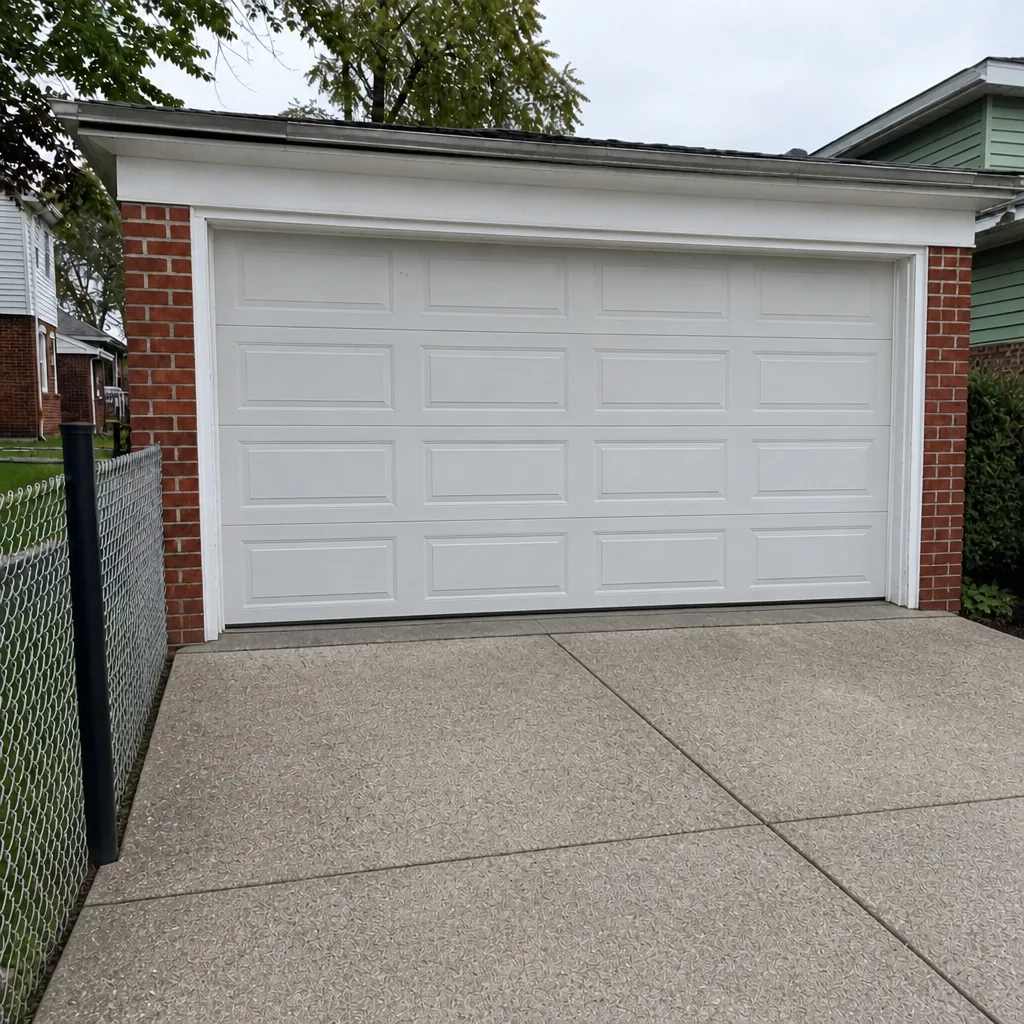 After
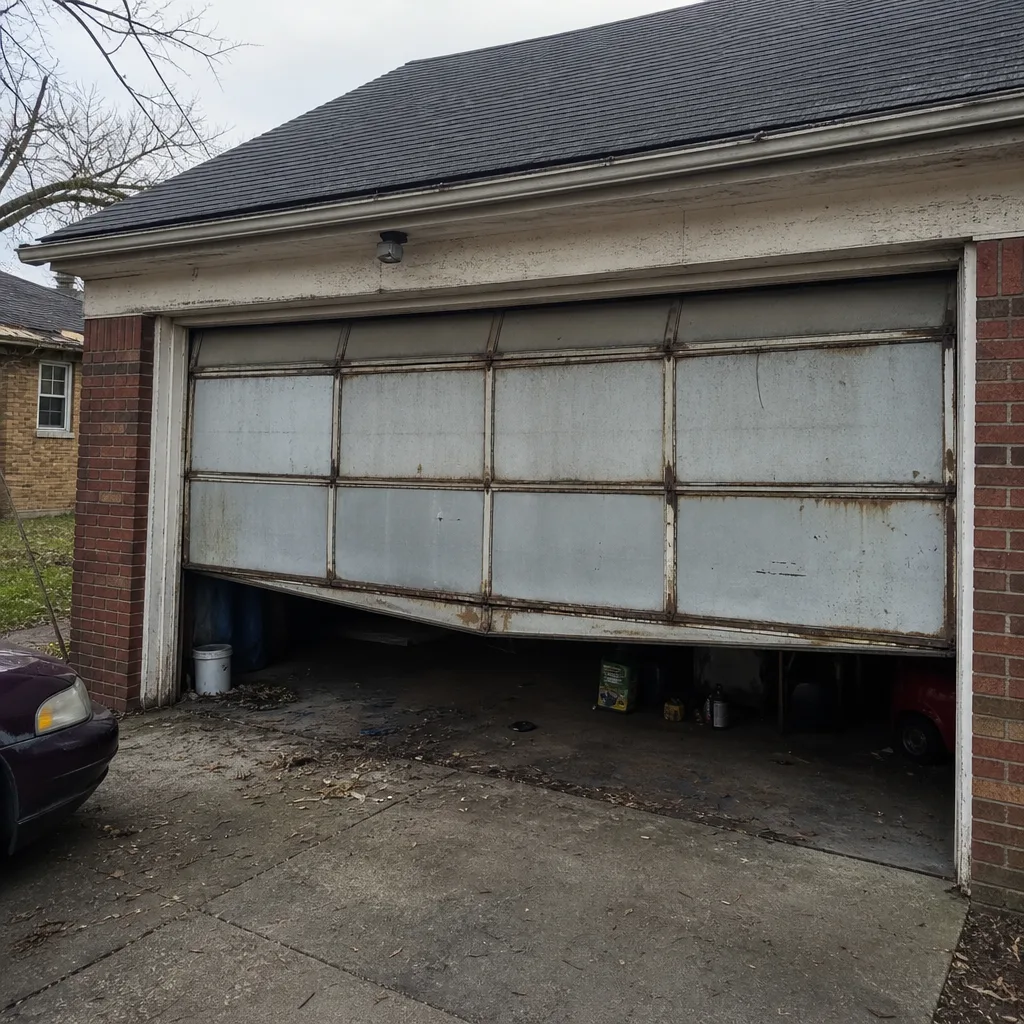 Before
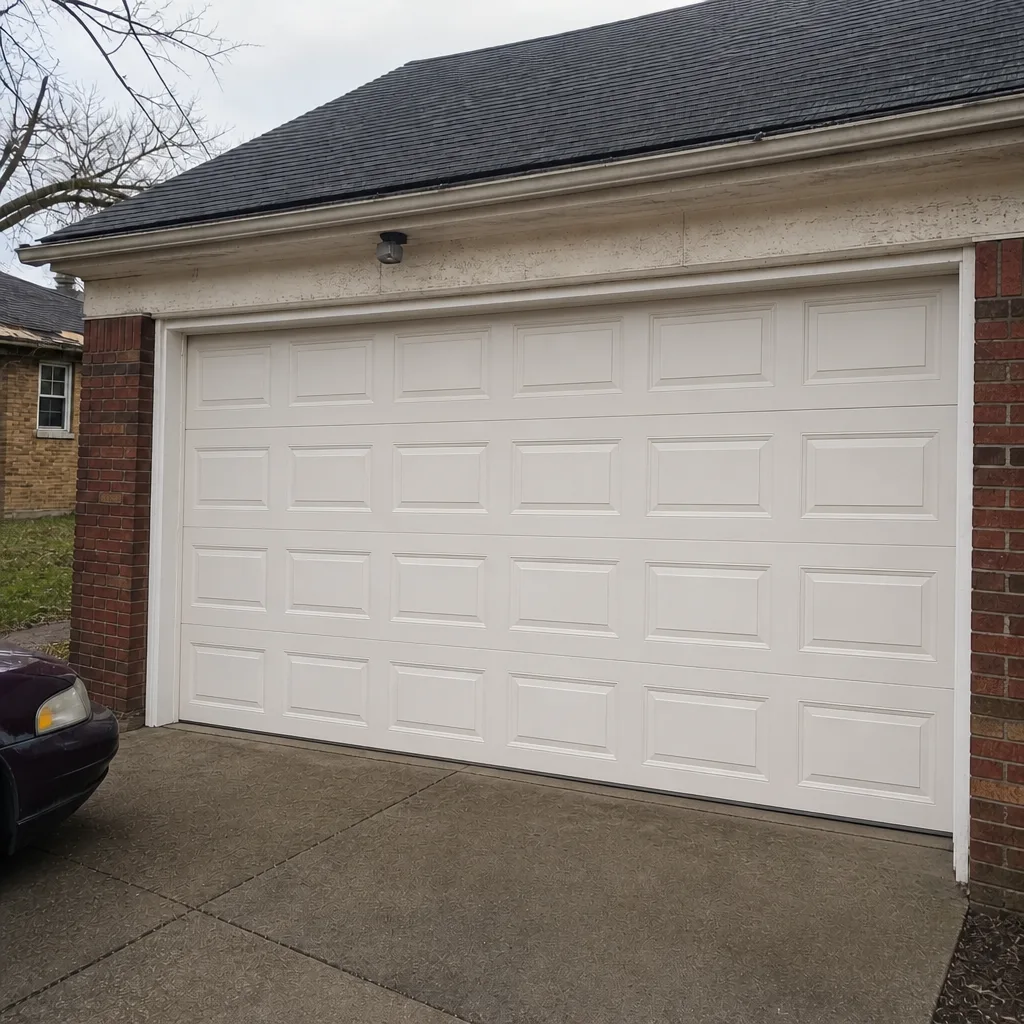 After
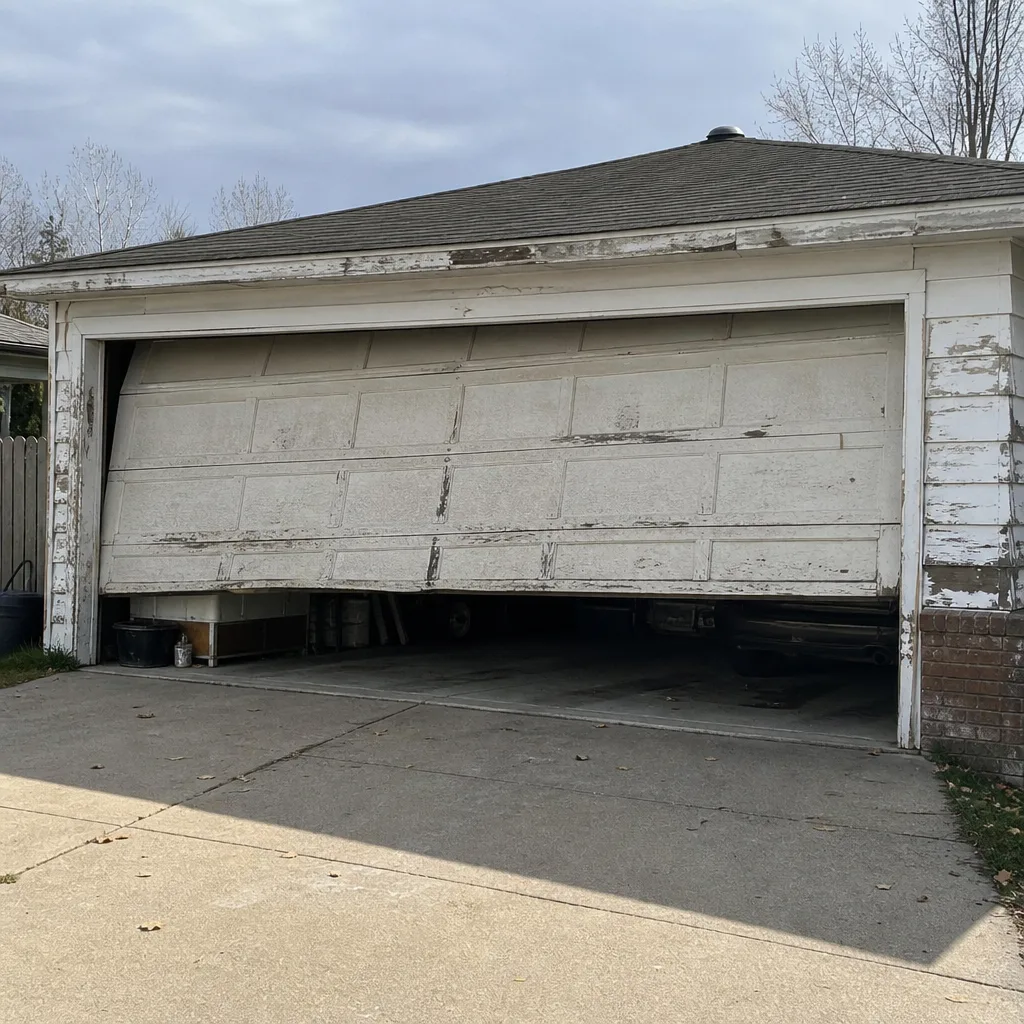 Before
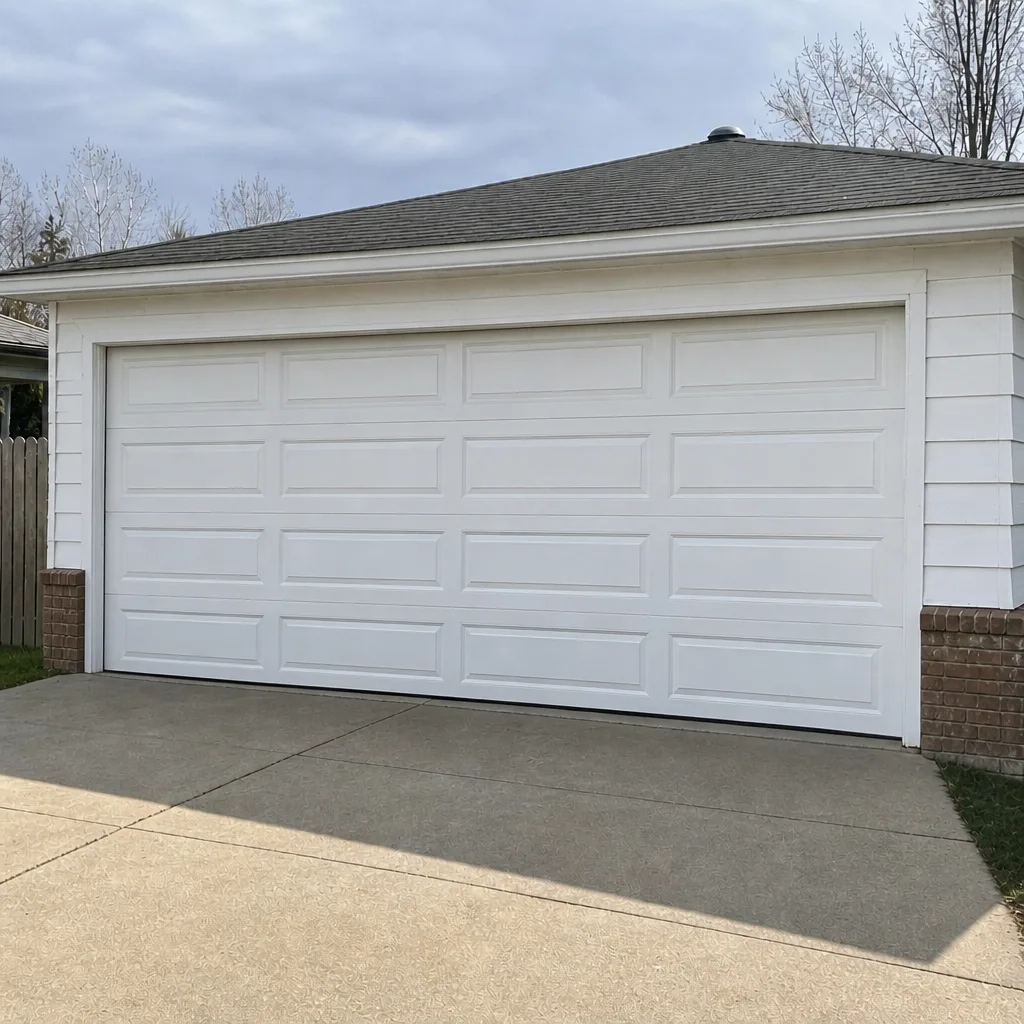 After