
Last updated November 15, 2026
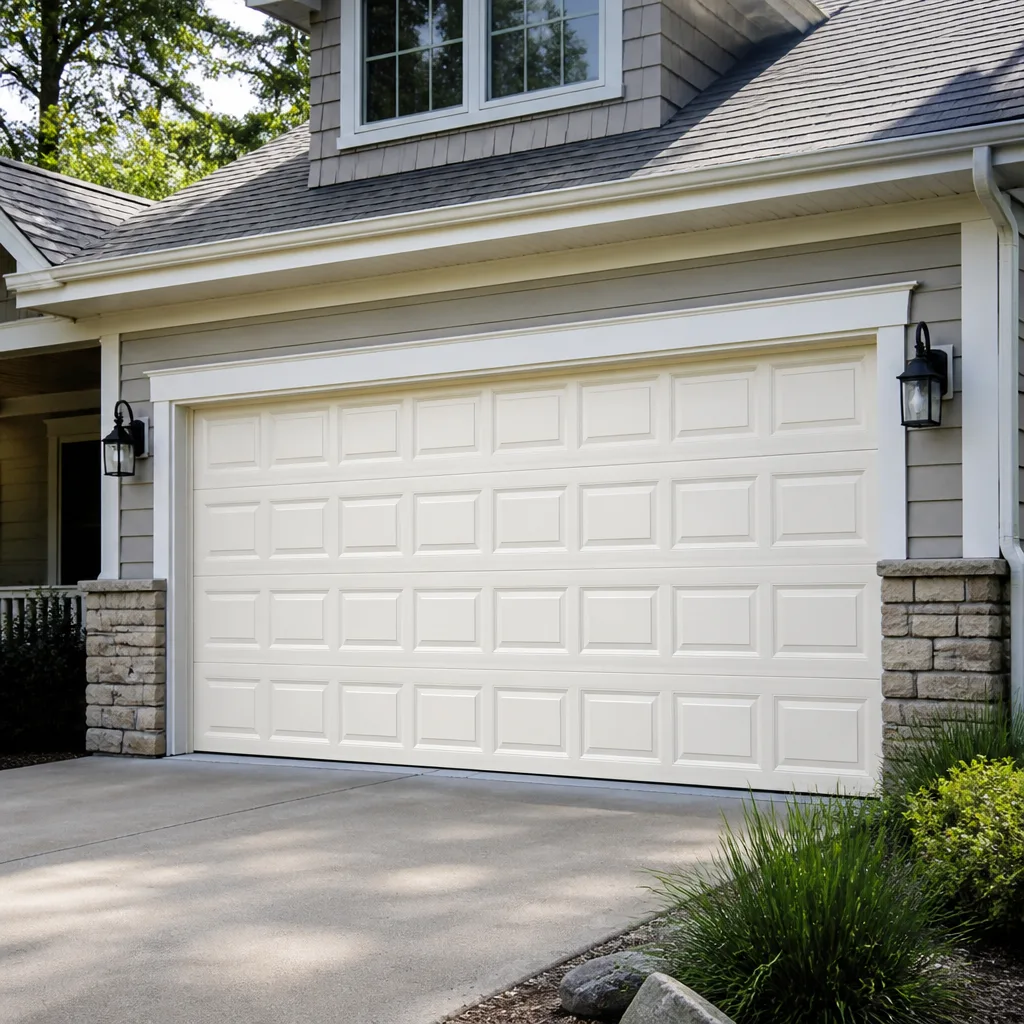 Raised-panel steel
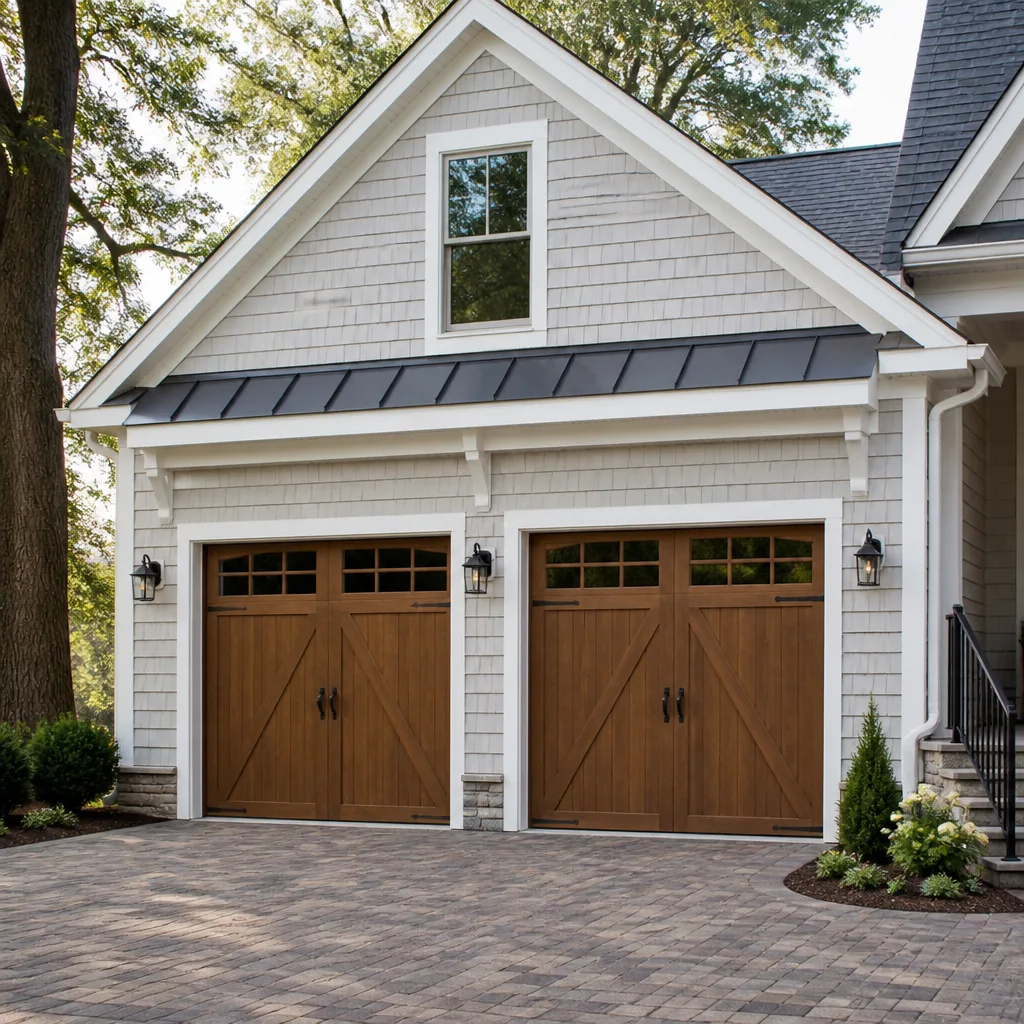 Carriage house
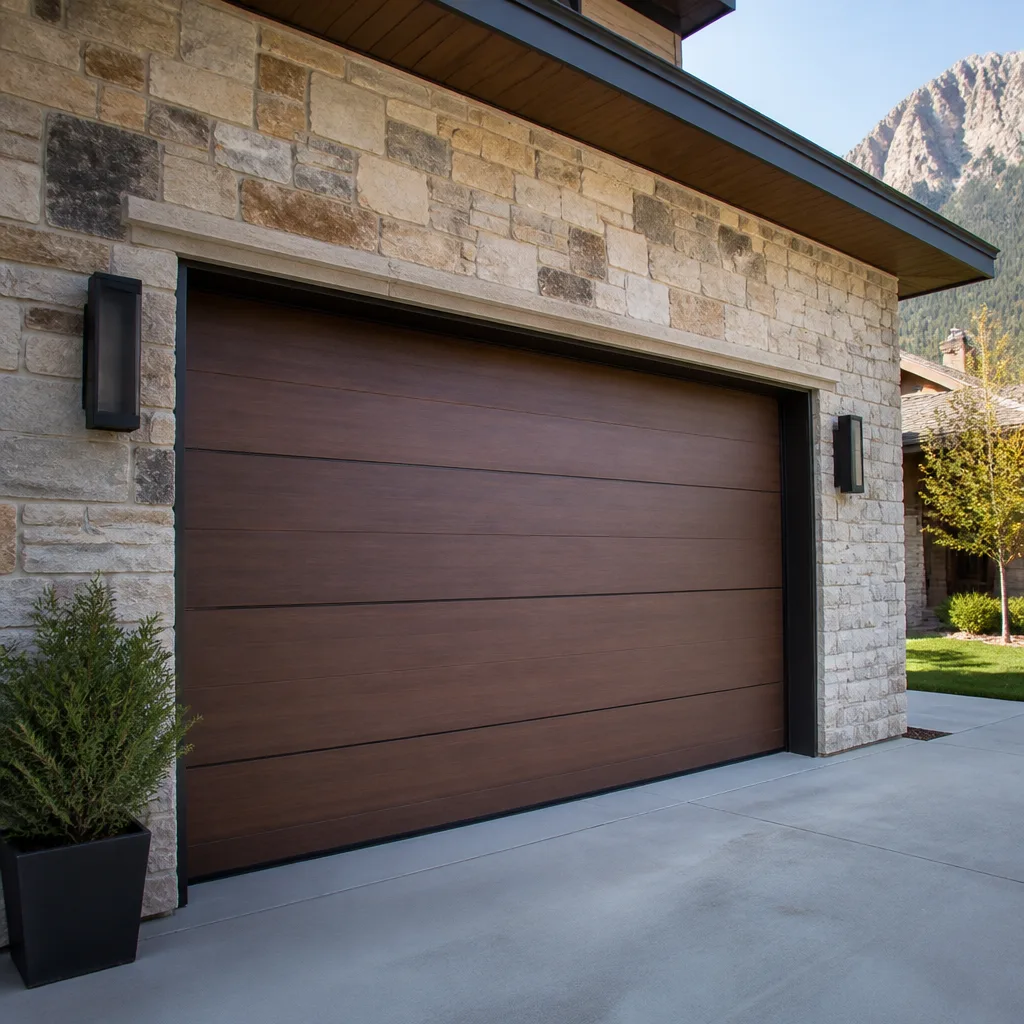 Modern flush
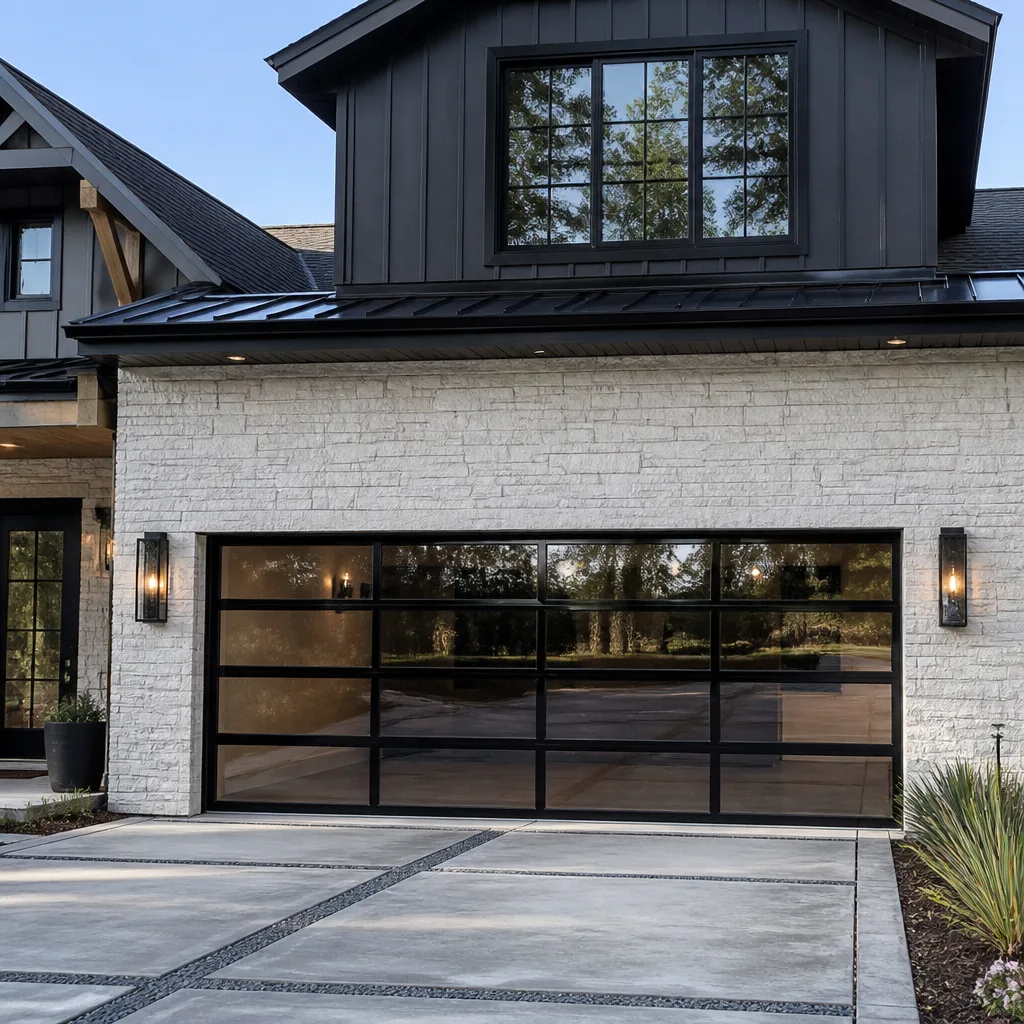 Full-view glass
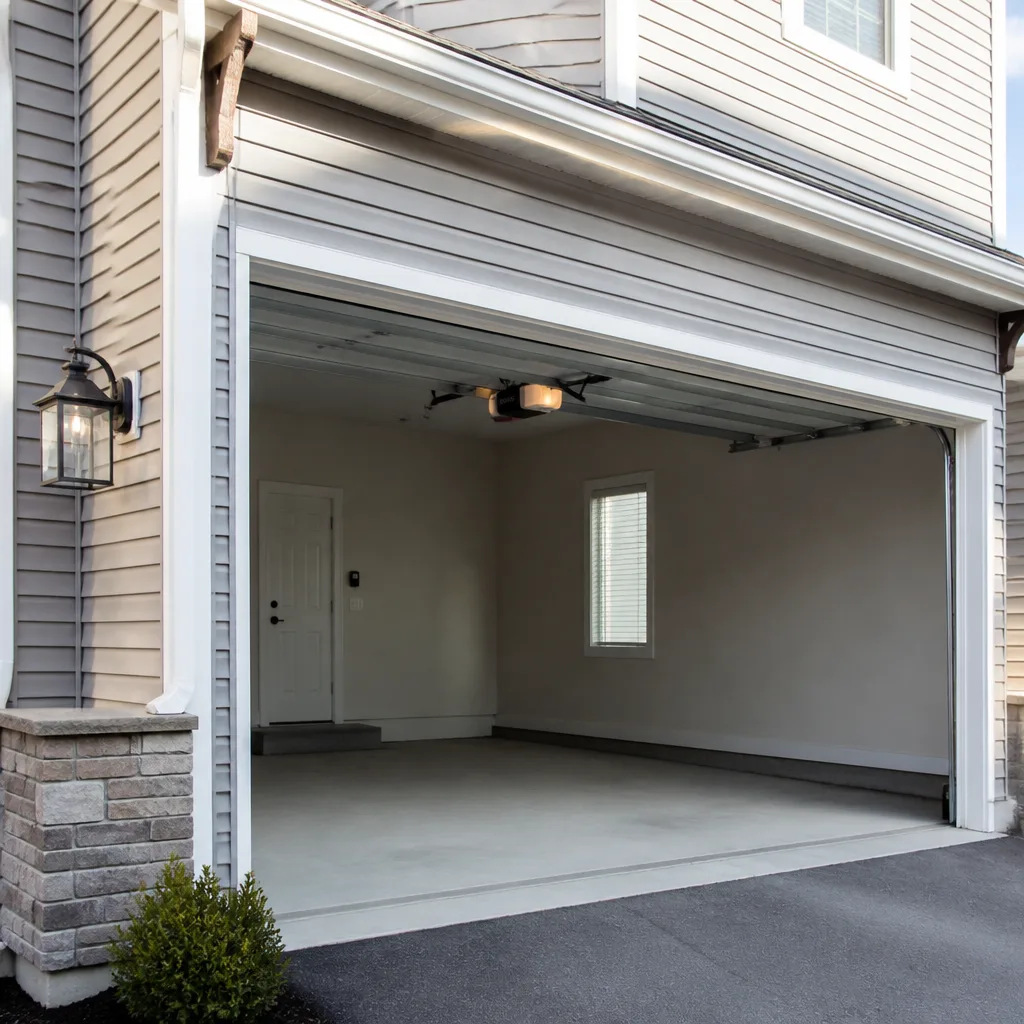 LiftMaster openers
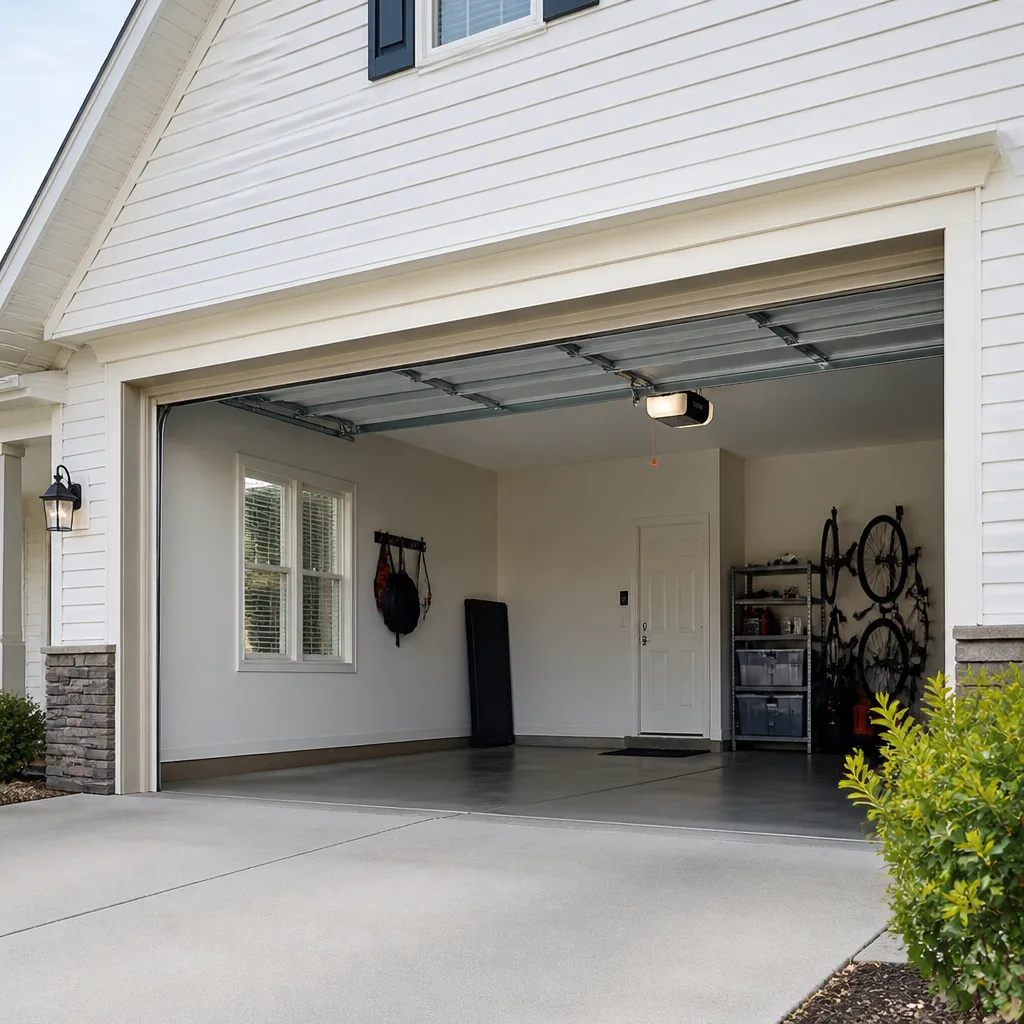 Chamberlain openers
Full 25-point door and opener safety check with every visit - springs, cables, rollers, tracks, and your LiftMaster or Chamberlain opener included
You get a price before we start. It does not change when the pro arrives.
Get your free estimateChoosing the Right Garage Door Brand: A Buyer’s Guide for Detroit
Most garage door brand guides are written by dealers who sell one or two lines, which makes the comparison more of a sales pitch than a buyer’s guide. The brand that tops the best-seller charts in warmer parts of the country isn’t automatically the smart pick for a Detroit home with an uninsulated detached garage, where thermal performance, insulation, and how the door handles a real freeze-thaw cycle outrank curb appeal. Steel gauge, seal flexibility in cold, and how easy the brand is to get parts for in Wayne County all factor in ways a national ranking never captures. This guide evaluates the eight major manufacturers on the criteria that matter for Detroit’s climate and housing stock, and it matches your situation to the right brand instead of pushing the one with the biggest margin.
Quick Answer
For most Detroit homes, the right garage door brand is the one whose insulation and low-temperature seals handle Michigan winters, whose parts are readily available through local suppliers, and whose tier fits your home’s value and neighborhood. That usually points to a well-insulated steel door from Clopay, Amarr, or Wayne Dalton for attached garages in the city, with a heavier insulated line for homes in Grosse Pointe that need it. The brand matters less than matching the door to your garage, climate, and resale goals.
Styles & brands we work with
- Raised-panel steel
- Carriage house
- Modern flush
- Full-view glass
- LiftMaster openers
- Chamberlain openers
Table of Contents
- Why garage door brand matters more in Detroit than the national rankings suggest
- Cold-weather specs: what to compare across brands
- Parts and service network density in metro Detroit
- Matching brand tier to home value and neighborhood
- Steel vs. composite vs. wood for Detroit’s climate
- The question to ask any dealer before you buy
- The opener brand matters as much as the door
- Common mistakes to avoid
- When to call a professional
Why garage door brand matters more in Detroit than the national rankings suggest
National brand rankings are built on averages across the country, and those averages rarely account for a detached garage on a block in Warrendale or the wind sweeping off the Detroit River in winter. A door that performs well in a mild climate can fall short when the temperature swings from a thaw to a hard freeze in a week. The brand, and the materials and seals it uses, decide whether that door keeps the cold out, opens freely when the temperature drops, and stays serviceable over the years.
Detroit’s housing stock adds another layer. A large share of homes here have detached or attached garages that sit unheated, which means the door itself is doing the thermal work a heated garage would otherwise handle. When a garage is below living space, the door’s insulation directly affects how much cold reaches the rooms above. That makes an insulated, well-built door from a brand with reliable cold-weather performance a genuine efficiency choice, not just a cosmetic one. A homeowner searching for the best garage door brand in Detroit Michigan is really asking two questions at once: which door holds up to the seasons, and which brand can actually be serviced here.
In our experience, the door brands that hold up best in this market are the ones that publish honest insulation values, use a thermal break in the frame, and keep their seal materials flexible in freezing temperatures. Clopay and Amarr both build insulated steel doors with those features. Wayne Dalton offers strong insulated options as well. Genie doesn’t make the door panels themselves, but it’s a major name on the opener side, which you’ll deal with separately. The brand you choose on the door and the brand on your opener can be, and often are, two different decisions.
Cold-weather specs: what to compare across brands
The most useful way to compare brands for a Detroit purchase is to look at a handful of specs side by side rather than at the marketing copy. These are the details that separate a door that lasts through Michigan winters from one that needs replacement in eight years.
Performance factors
- Thermal break construction: A thermal break separates the outer steel skin from the inner one so the frame doesn’t conduct cold straight through. Doors built with it hold heat better and resist condensation. Look for it on insulated models from Clopay, Amarr, and Wayne Dalton.
- Low-temperature seal performance: The bottom seal and the perimeter weatherstripping need to stay flexible below freezing. A stiff seal cracks, lets in drafts, and eventually admits meltwater. Ask which seal material the brand ships and how it behaves in cold.
- Steel gauge: Thicker steel resists dents and holds its shape through the freeze-thaw loads of a Detroit winter. A heavier-gauge door is worth the money in a garage that faces wind and temperature swings.
- Insulation type and value: Polyurethane foam generally insulates better than polystyrene at the same thickness. A garage below a bedroom is a strong argument for the higher-performing insulation.
- Hinge and roller hardware: The steel is only as good as the hardware hanging off it. Ask whether the brand supplies standard or upgraded hinges and rollers, since those wear first.
How to compare brands in practice
- Write down the three or four brands your dealer actually carries.
- For each, find the insulated model at the price point your situation calls for.
- Ask each dealer for the thermal break, steel gauge, and seal material on that model.
- Compare those specifications side by side, not the style photos.
- Then check parts availability for the model, covered in the next section.
A door with a good specification sheet and no local parts network is a gamble. Both halves of the picture matter, especially in a climate that puts real stress on the system.
Parts and service network density in metro Detroit
The brand with the best door on paper can become a headache if the manufacturer discontinues a panel line or a hinge style and no one in the metro area stocks the replacement. That’s why parts availability deserves as much weight as the door’s specifications. A well-built insulated door that can’t be repaired becomes an expensive liability.
Detroit’s metro is large and dense enough that the major brands have real distribution reach here. Clopay and Amarr, as two of the largest residential manufacturers, tend to have the widest local availability of both new doors and replacement parts. Wayne Dalton is also widely stocked. That availability matters because it means a damaged panel, a worn hinge, or a failed spring can usually be sourced and installed without a long wait. Ask your dealer a direct question: if a panel gets damaged next year, how quickly can a matching replacement be obtained? The answer tells you a lot.
This is also where working with a multi-brand provider helps. Because we work on what you already have across LiftMaster, Chamberlain, Genie, Clopay, Amarr, Wayne Dalton, Craftsman, and Raynor, we’re not steering you toward a single line to protect inventory. The brand-agnostic approach is simpler when your own system is one of the eight and a technician can diagnose it without pushing a switch. If you want the full range of what we handle, our Vantage Garage Door Repair page covers the services in one place.
One more practical note: check whether the model you’re considering is a current production line or one being phased out. A slightly older model can be a bargain, but only if its panels and hardware remain available. Ask before you sign.
Matching brand tier to home value and neighborhood
A luxury-priced garage door can lower your return at resale if it outclasses the rest of the house. In some Detroit neighborhoods, the smarter move is a solid, well-insulated mid-tier door rather than a premium flagship line that no buyer will pay extra for. The goal is a door that fits the block, not one that shouts over it.
Think in tiers. A builder-grade insulated steel door fits a modest starter home where buyers are watching the monthly payment. A mid-tier insulated steel door from Clopay, Amarr, or Wayne Dalton fits the bulk of Detroit’s housing stock, where buyers want a door that works and looks decent but won’t pay a premium for a designer panel. A high-end insulated or composite door belongs on a home where the rest of the finish level, the neighborhood, and the buyer pool actually support it. In places like Indian Village or Grosse Pointe, a premium door can hold its value. On a block of smaller bungalows, it usually won’t.
Here’s a simple way to set the tier before you shop:
- Look at the doors on the homes immediately around yours. Matching that general finish level keeps you competitive at resale.
- Ask yourself whether a buyer touring your home would expect this level of garage door. If the answer is yes, the premium is justified.
- Weigh the door against the other finishes on the house. A top-tier door next to a builder-grade entry is an odd match.
- Consider the buyer pool. A neighborhood where buyers are price-sensitive rewards value, not flagship brand names.
The right brand for a Detroit home is the one whose tier fits the home you actually own. That’s a judgment about your house and your block, and a good dealer will help you make it honestly rather than reaching for the most expensive door on the lot.
Steel vs. composite vs. wood for Detroit’s climate
The material of your door interacts with Detroit’s humidity and temperature swings in ways that should shape your brand choice. Michigan summers are humid and winters are cold, and the freeze-thaw cycle is hard on materials that move or absorb water. Each material carries different strengths and different brands behind it.
Steel
Insulated steel is the best fit for most Detroit homes. It holds up to humidity, resists the temperature swings between a summer thunderstorm and a January freeze, and takes insulation well. The brands to look at are Clopay, Amarr, and Wayne Dalton, all of which build insulated steel doors that perform in this climate. Steel can dent, but it’s repairable and widely available. This is where most buyers should start.
Composite
Composite doors resist moisture and rot better than wood, and they handle the swelling and shrinking that humidity causes. That makes them a reasonable option for a homeowner who wants a wood look without the maintenance wood demands in a wet, freezing climate. They cost more than steel, and fewer brands make them, so availability and parts are worth checking carefully.
Wood
Wood gives a look steel and composite can’t easily match, and it suits older Detroit homes with period character. But wood absorbs moisture, so it needs regular sealing and refinishing in a humid climate, and it can warp or crack through freeze-thaw cycles if left untreated. If you go wood, plan for the upkeep, and make sure the brand you choose has replacement parts available locally. Wood isn’t the wrong choice for the right house; it’s just a decision that comes with ongoing work.
The practical takeaway: steel for durability and insulation, composite for a wood look with less upkeep, and wood for character with a maintenance plan. The material should narrow your brand options before price and style enter the conversation.
The question to ask any dealer before you buy
Ask a dealer one question that cuts through the sales pitch: “What brand would you put on your own house in this zip code, and why?” How they answer tells you whether they’re guiding you or selling to you. A good dealer names a brand, gives you a reason rooted in climate, parts, and home value, and doesn’t pivot to the most expensive option on the floor. A defensive or evasive answer is a signal.
Here’s how to evaluate what you hear:
- Does the answer reference your actual situation, or does it sound like a script? A dealer who mentions your garage type, insulation needs, and neighborhood is thinking; one who repeats a slogan is not.
- Does the recommended brand pass the cold-weather spec test in the earlier section? Reason without specification is just preference.
- Does the dealer mention parts availability and serviceability, or only sale price? A brand you can’t repair cheaply is a brand that will cost you later.
- Does the answer change with context? A good dealer recommends a different tier for a small bungalow than for a larger home, because the right answer genuinely differs.
- Does the dealer have the ability to stand behind the recommendation through repair and service? A brand-neutral provider who works on what you already have is less likely to push a switch.
The question works because it forces a dealer to think from your side of the transaction. When we make a recommendation, the diagnostic process comes first: we look at your existing door, opener, springs, cables, tracks, and panels, then recommend a brand and tier that fit what you already have and what your budget can carry. That’s the right fix rather than the easiest upsell. If you’re weighing repair against replacement, the ability to handle whichever outcome you choose makes that conversation more honest. Our team has up to 14 years of experience across these systems, and our garage door repair work and our garage door opener repair service cover both ends of the decision.
The opener brand matters as much as the door
The best door brand in the world still opens badly if the opener behind it is the wrong one or is failing. Homeowners often focus the whole purchase on door panels and treat the opener as an afterthought, but the two have to work as a system. When you’re choosing a door brand, spare a thought for the opener that will lift it.
Opener brands split into two groups. The door manufacturers build the door, and a separate group of companies builds the operator that moves it. LiftMaster and Chamberlain are among the most widely installed residential opener brands, and Genie is another major name in the same category. Craftsman also has a strong installed base. That means the brand on your wall may well be different from the brand on your door, and both need to be serviceable. LiftMaster and Chamberlain units with smart-home and Wi-Fi integration involve electronics a technician has to diagnose, while older mechanical units from any of these brands are simpler to repair. Knowing which system you have, and having a provider who fixes either, saves you from re-explaining the whole setup to a new company mid-repair.
When you’re choosing a door, ask whether your existing opener can handle it. A heavier insulated door may need a stronger operator than a lighter one, and the door and opener need to be matched for balance and travel. Our opener repair specialty covers both legacy mechanical systems and the current smart units from the leading brands, so the door and the motor are handled together. For a closer look at how we handle the whole system in Detroit, see our Detroit page.
Common Mistakes to Avoid
- Choosng the brand by national rankings alone. Rank lists average across climates and miss what a Detroit garage actually needs. Weight insulation, cold-weather seals, and local parts availability more heavily than a popularity chart.
- Ignoring parts availability for the model. A discontinued panel line turns a good door into a liability when damage happens. Confirm replacement parts can be sourced in the metro before you buy.
- Buying a luxury brand for a modest home. In many Detroit neighborhoods, a premium door outclasses the house and returns little at resale. Match the tier to the block and the buyer pool.
- Going wood without a maintenance plan. Wood suits older Detroit homes but needs sealing and refinishing through humid summers and freeze-thaw winters. If you won’t keep up with it, steel or composite is the smarter choice.
- Treating the opener as separate from the door. The door and opener have to balance and travel together. Buy the door with the operator that will lift it in mind, not after the fact.
- Letting a dealer push a brand switch. A dealer with one line is motivated to convert you. A brand-neutral provider who works on what you already have gives a recommendation driven by your situation.
- Skipping the dealer question. “What would you put on your own house here, and why?” reveals more about a dealer than any brochure. Ask it before you sign.
When to Call a Professional
Some decisions are clearly a call-a-professional moment. A door that opens unevenly, a panel that’s cracked or off its track, a spring that’s failed, or cables that look slack or frayed all point to a system that needs a trained eye, and some of those components are genuinely dangerous to handle without the right tools and training. High-tension springs and cables have caused serious injuries, so never attempt to adjust them yourself. The same goes for opener electronics that keep tripping or a smart opener that won’t connect. A door that’s aged, insulated poorly, or out of step with the rest of the house is worth a conversation about repair versus replacement, and that’s a decision you can make with a professional who can execute either outcome. Vantage Garage Door Repair offers free estimates in Detroit and can weigh a new brand against fixing what you have. Call (888) 804-9214. We answer 24/7. Fast dispatch from 7am to 7pm, Sunday through Friday. Ask us anything about a door brand before you commit.
See the difference
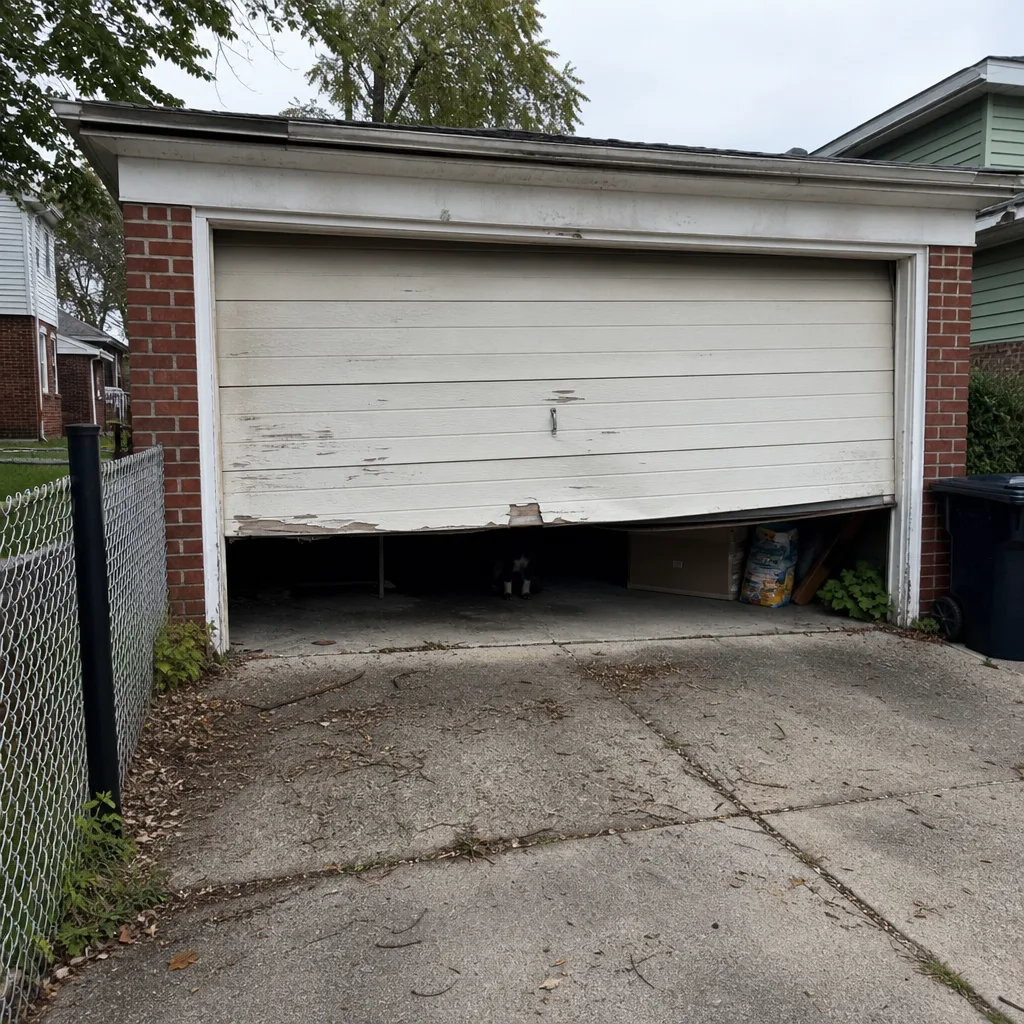 Before
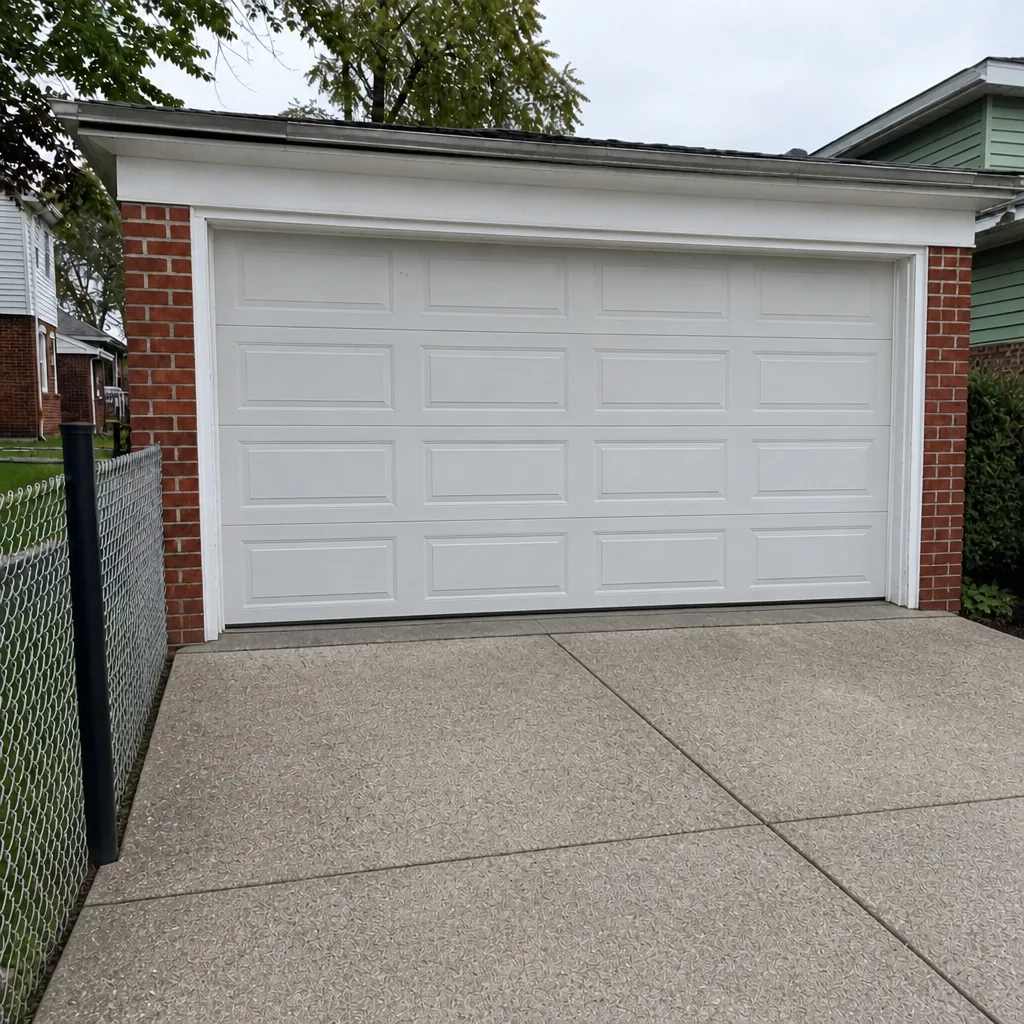 After
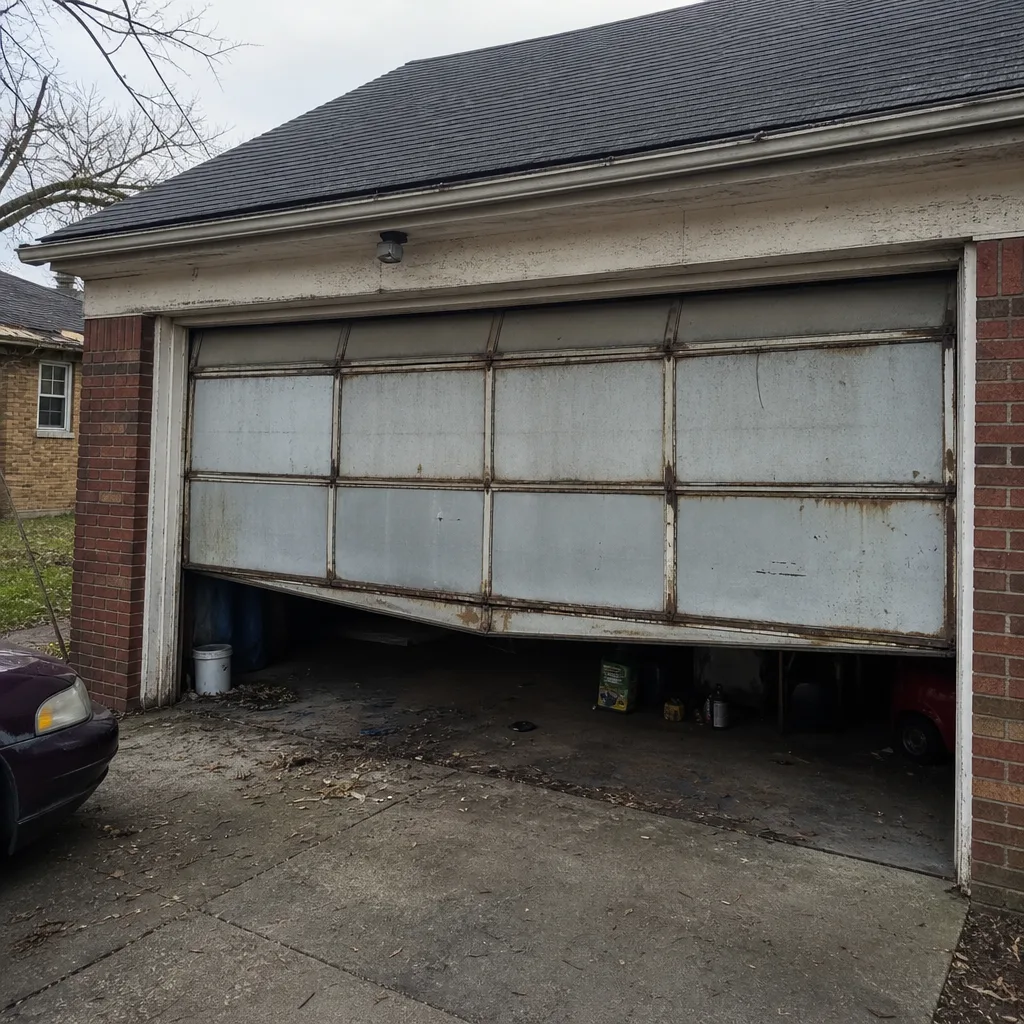 Before
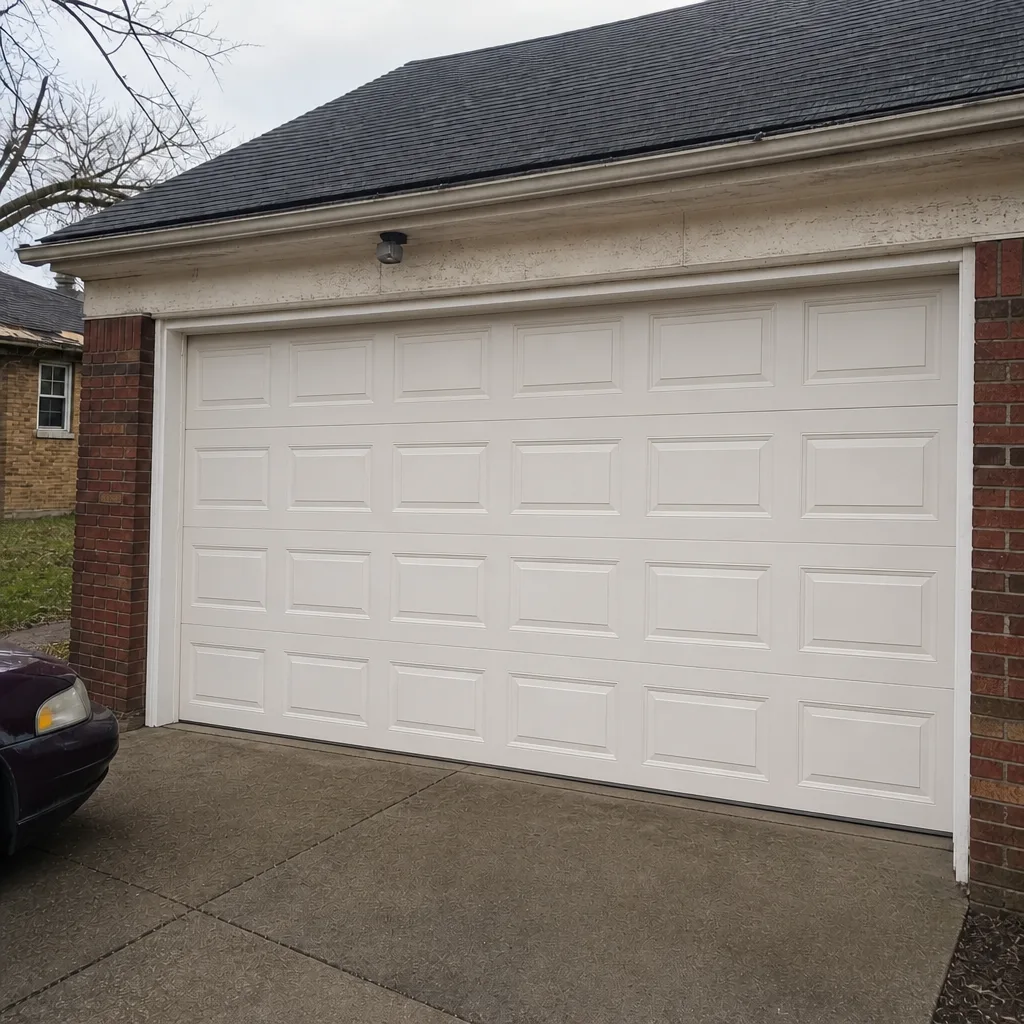 After
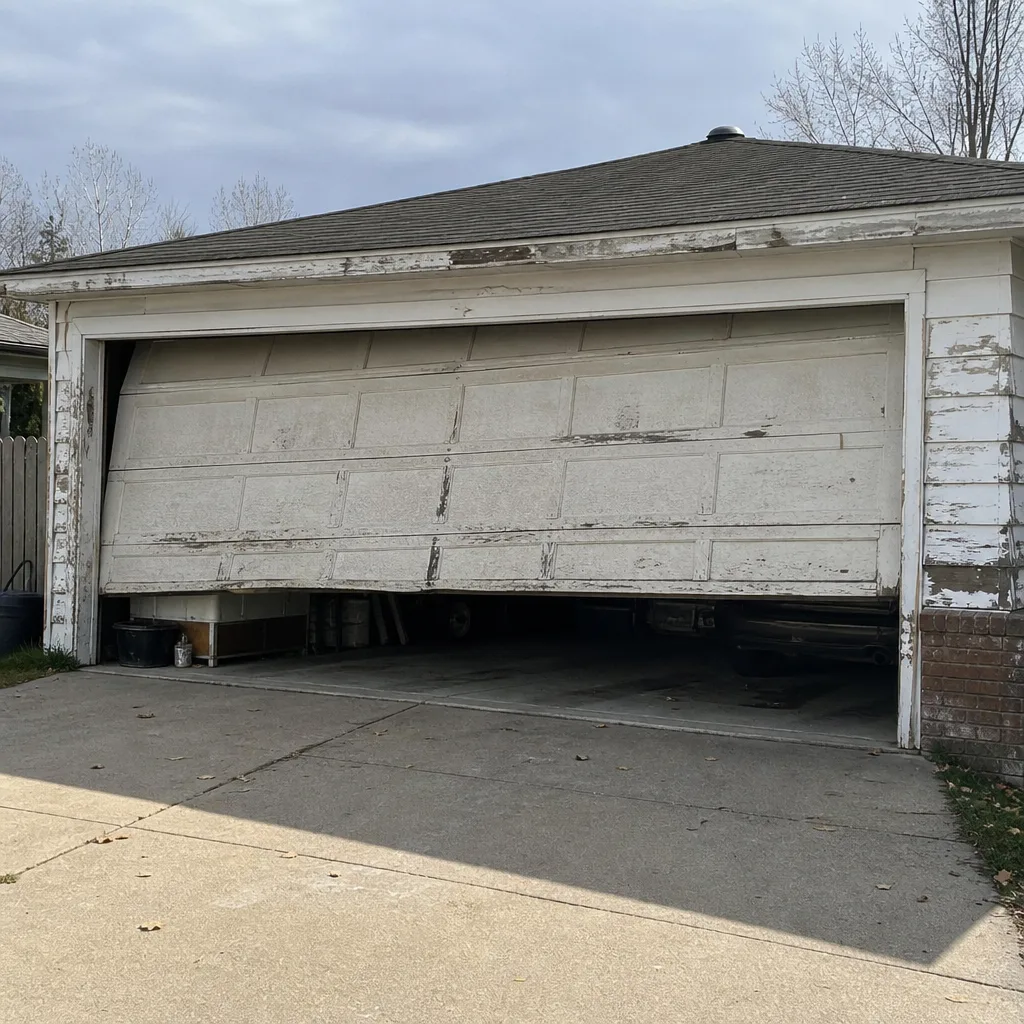 Before
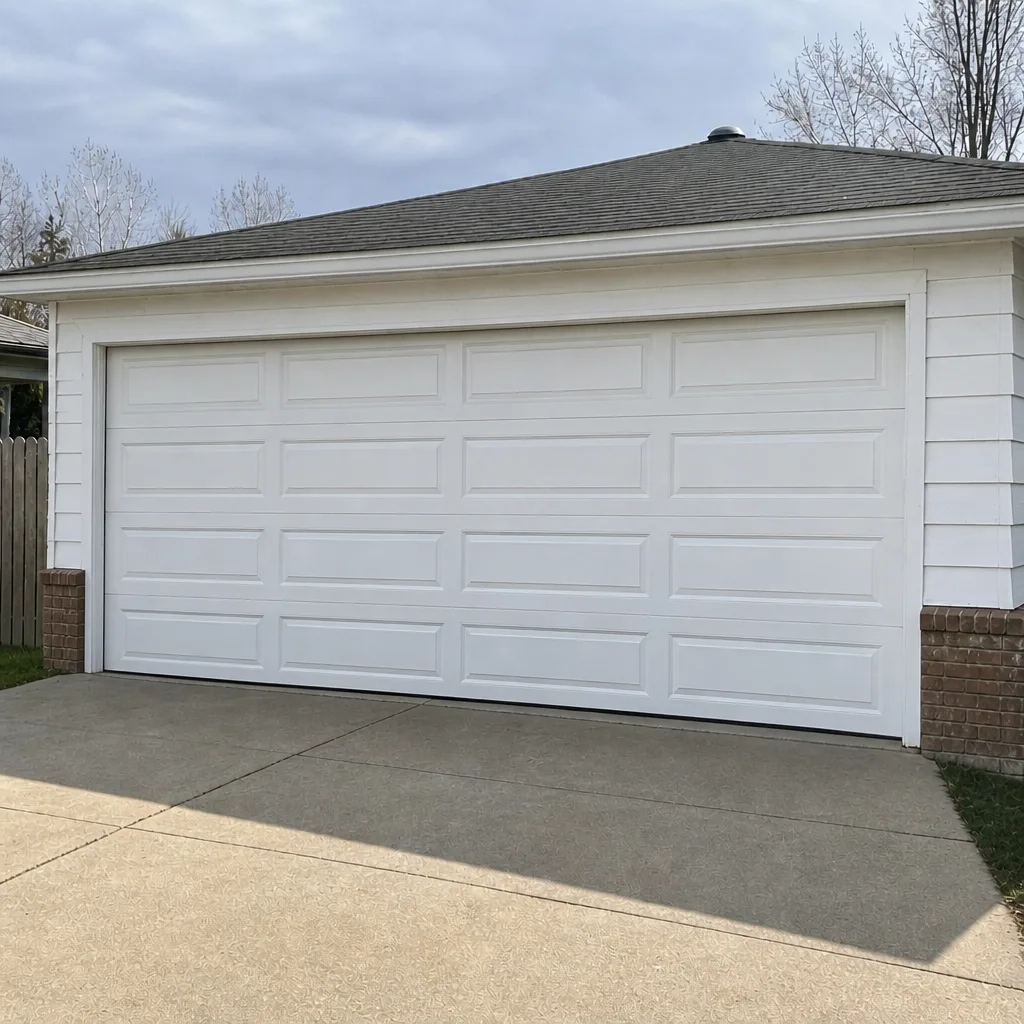 After
Frequently Asked Questions
For most Detroit homes, a well-insulated steel door from Clopay, Amarr, or Wayne Dalton is the best fit because those brands balance cold-weather performance, parts availability, and value. The right choice depends on your garage type, whether it’s attached or detached, and your home’s value and neighborhood. Call (888) 804-9214 for an exact recommendation on your situation; estimates are free.
Yes, because the brand determines the insulation, seals, and steel gauge that decide how the door handles freezing temperatures and freeze-thaw cycles. A door built with a thermal break and flexible cold-weather seals holds up much better than a builder-grade model. When comparing brands, ask for those specifications directly.
Ask your dealer directly how quickly a replacement panel or hinge can be obtained if yours is damaged next year. Clopay, Amarr, and Wayne Dalton tend to have wide local availability because they’re among the largest residential manufacturers. If the answer is vague, treat it as a caution sign. Call (888) 804-9214 and we can talk through what’s serviceable in your area.
Only if your home’s finishes and neighborhood support that level. In many Detroit neighborhoods, a premium door outclasses the house and returns little at resale, while a solid mid-tier insulated door is the smarter move. Match the tier to the block and the buyer pool rather than reaching for the most expensive option.
No, and it usually doesn’t. Door manufacturers like Clopay, Amarr, and Wayne Dalton build the door, while opener brands like LiftMaster, Chamberlain, and Genie build the operator that moves it. What matters is that the opener is sized and matched to the door’s weight and travel. Our opener repair specialty covers both legacy and smart units.
Yes. A diagnostic assessment looks at your existing door, springs, cables, tracks, panels, and opener to identify what’s failing and what else may be under stress, then recommends repair or a new door based on your situation. That’s a brand-neutral recommendation, not a sales path. Call (888) 804-9214 for a free estimate on either outcome.
The Bottom Line
The best garage door brand for your Detroit home is the one whose insulation, cold-weather seals, steel gauge, and parts availability match your garage, your climate, and your home’s value. National rankings don’t answer that question; a side-by-side comparison of the specifications and a clear-eyed look at your block do. Steel from Clopay, Amarr, or Wayne Dalton fits most homes here, with composite or wood for specific situations, and the opener brand handled as its own decision. When you’re ready to choose, ask the dealer what brand they’d put on their own house and why, then judge the answer. If you’d rather have a brand-neutral assessment first, Vantage Garage Door Repair can help. Call (888) 804-9214 for a free estimate. We answer 24/7. Fast dispatch from 7am to 7pm, Sunday through Friday. The price is quoted and agreed before any work starts, so there are no surprises on the bill.
Written by the team at Vantage Garage Door Repair.