
Last updated November 15, 2026
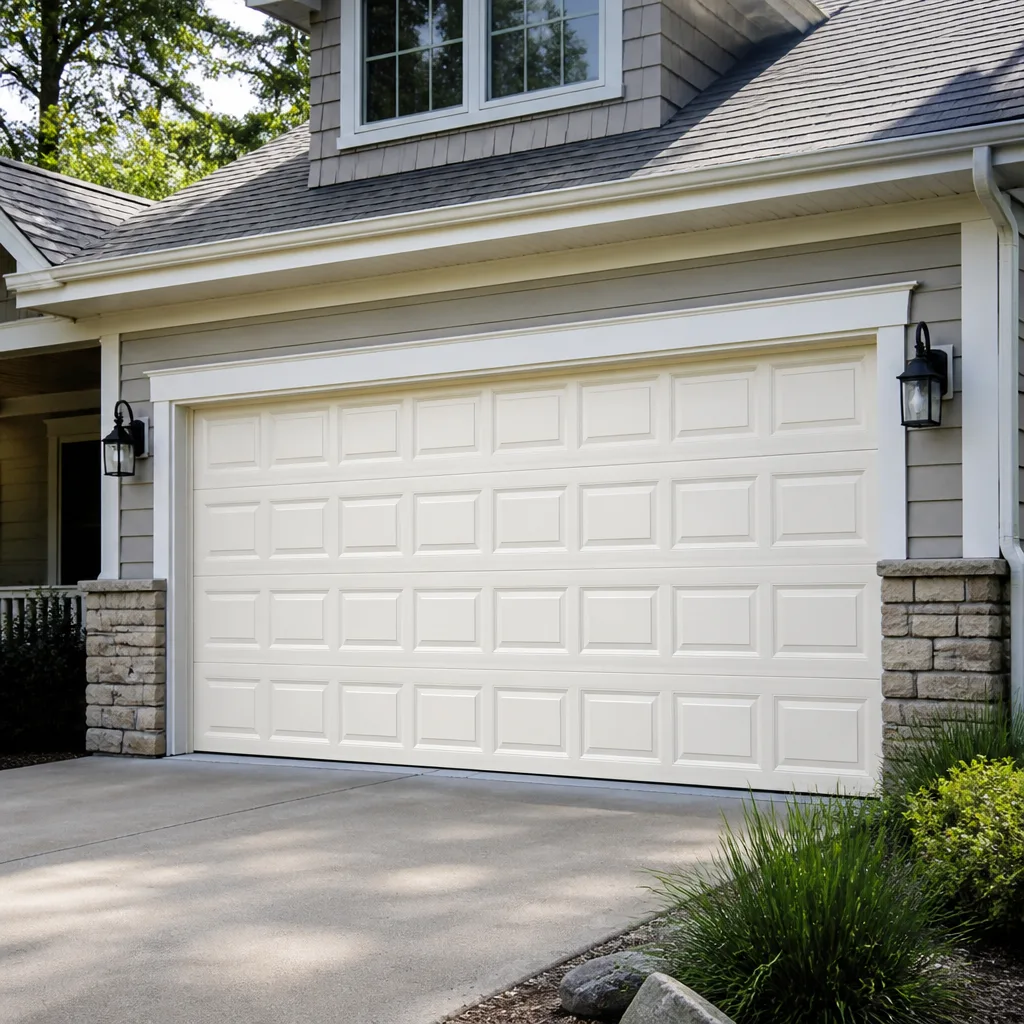 Raised-panel steel
 Carriage house
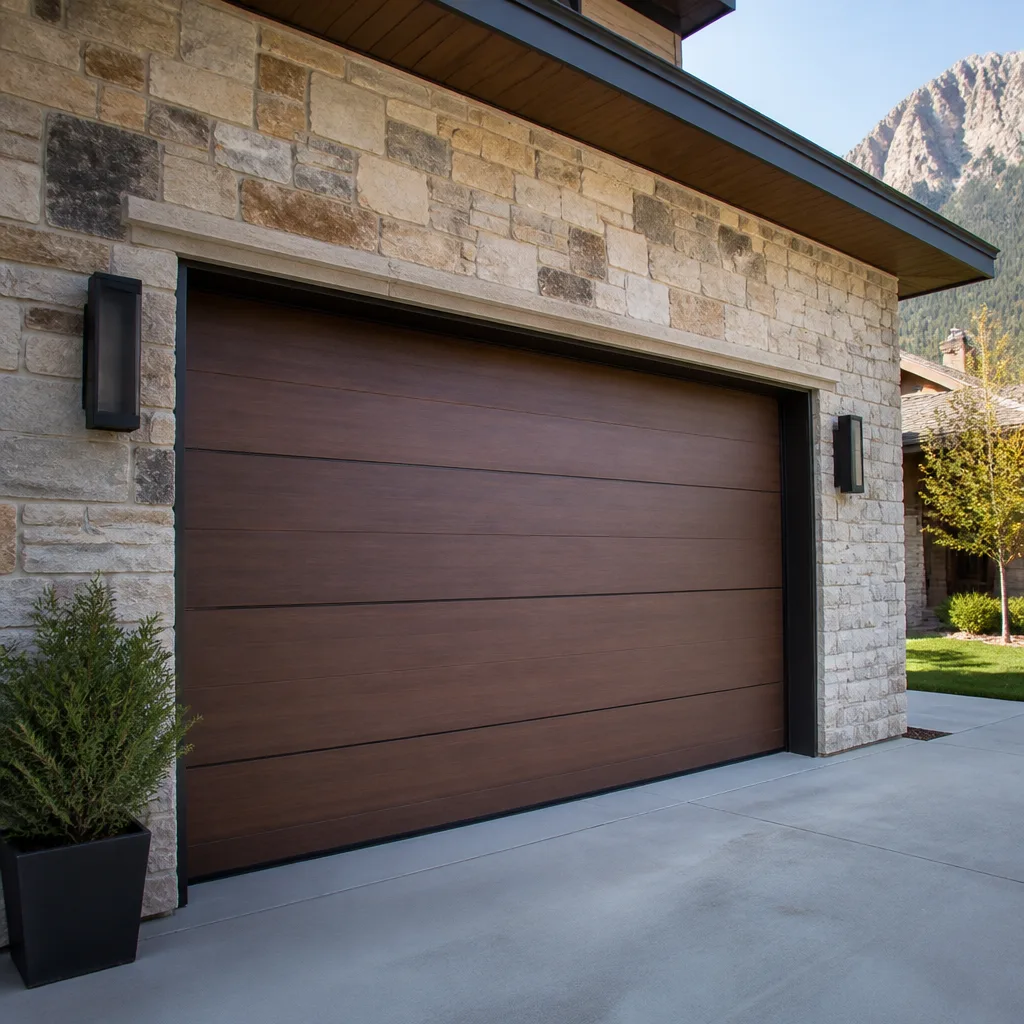 Modern flush
 Full-view glass
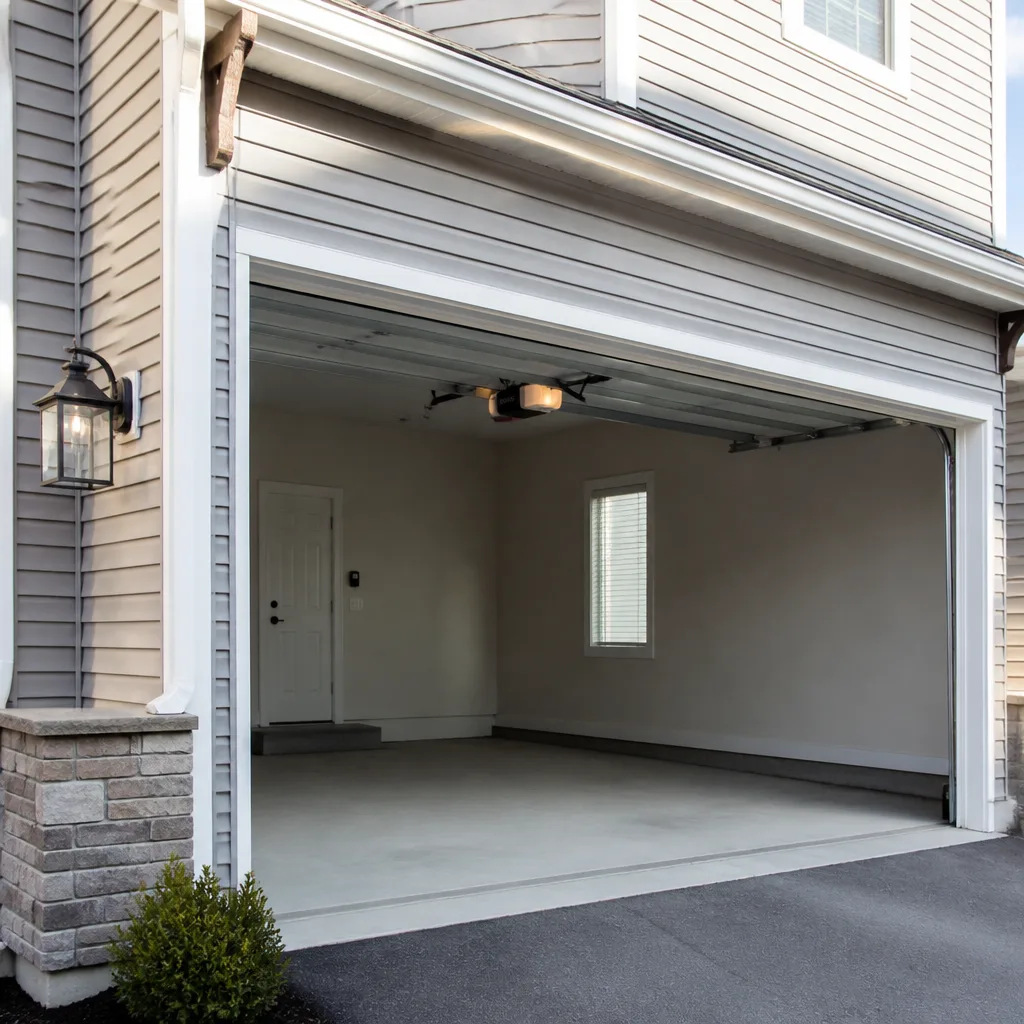 LiftMaster openers
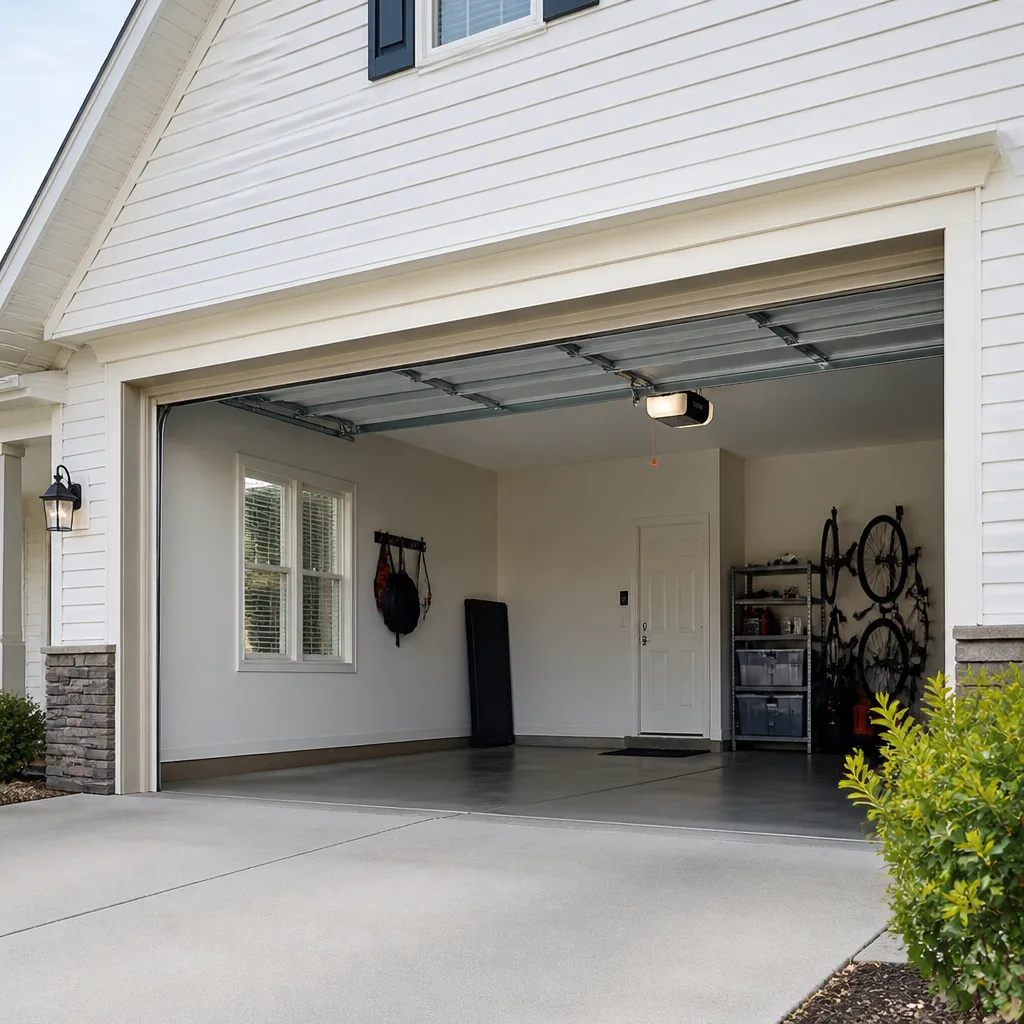 Chamberlain openers
Full 25-point door and opener safety check with every visit - springs, cables, rollers, tracks, and your LiftMaster or Chamberlain opener included
You get a price before we start. It does not change when the pro arrives.
Get your free estimateGarage Door Emergency Preparedness Guide for Detroit Homes
Most Detroit homeowners treat a garage door like a wall. It goes up. It comes down. Nobody thinks about it until the morning it refuses to move – and that morning usually arrives in January, in the dark, with the car already running. Here’s the counterintuitive part: the majority of “emergency” garage door failures we get called about are doors that could have been opened in under five minutes with a release procedure printed on the opener itself. The door wasn’t broken. The homeowner just didn’t know the sequence. This guide fixes that. You’ll get a step-by-step manual release walkthrough for the openers most common in Detroit’s housing stock, a pre-winter kit list, a power outage protocol, and a clear line for when to stop and call a pro. Read it once now, and the door stops being the reason you’re stranded.
Quick Answer
A Detroit garage door emergency usually means one of four things: a frozen door stuck to the floor, a dead opener in a power outage, a snapped cable, or a broken torsion spring. For the first two, you can usually clear the problem yourself using the manual release cord and a heat source around the bottom seal. For the last two, secure the door and call a professional – never run the opener or force the door by hand. Keep a de-icing spray, a heat gun or hairdryer, and a working manual release handle within reach before the first freeze. The single most important preparation is knowing where your release cord is before you need it.
Styles & brands we work with
- Raised-panel steel
- Carriage house
- Modern flush
- Full-view glass
- LiftMaster openers
- Chamberlain openers
Table of Contents
- Why Detroit Weather Puts Your Garage Door Under Stress
- How to Use the Manual Release on Your Opener
- What to Do When Your Door Is Frozen to the Floor
- The Pre-Winter Emergency Kit for Detroit Homeowners
- Power Outage Protocol and Battery Backup
- When a Cable Snaps or a Spring Breaks
- Building a Service Relationship Before You Need One
- Seasonal Checkups: Fall Prep, Spring Reset
Why Detroit Weather Puts Your Garage Door Under Stress
Detroit sits in a climate that swings hard. That’s not brand marketing – it’s the reason garage doors here live a different life than a door in a mild climate. The cycle that damages hardware is freeze-thaw: water finds a seam, freezes, expands, thaws, and repeats. Over one winter, a single bottom seal can cycle dozens of times between freezing and melting. Add lake-effect snow and ice storms and you have door panels that contract in the cold, then expand when a warm front rolls through, working the fasteners and rollers loose.
The housing stock matters too. Much of Detroit’s older residential inventory – the bungalows and two-flats across neighborhoods like Southwest Detroit, Hamtramck’s edges, and the west side blocks – still has original or second-generation hardware. That means tracks that were mounted decades ago, rollers that have never been replaced, and openers that predate the Wi-Fi era entirely. We work on what’s already installed, from a Wayne Dalton panel to an older Sears-era Craftsman opener that’s been humming along in a Detroit garage for years. The door doesn’t need replacing to survive a Michigan winter. It needs its weak points identified before the first hard freeze.
Here’s what moisture and cold actually do, in plain terms:
- Torsion springs lose tension in sustained cold, making the door feel heavier and forcing the opener motor to work harder than it was rated for.
- Bottom seals freeze to the concrete, and the opener yanks the door against a seal that won’t let go – which is where strain on the opener gear, the spring, and the door panel begins.
- Metal tracks contract, narrowing the gap the rollers ride in, causing binding and uneven travel.
- Lubricant thickens in freezing temperatures if it’s the wrong type, and rollers start dragging instead of rolling.
The fix isn’t a spring or a panel. It’s a fall inspection of the things that fail first: seal condition, roller condition, spring balance, and opener force settings. That’s the advantage of diagnosing the whole system instead of replacing one part. When we look at a door, we’re identifying what else is under stress, because the part that breaks is rarely the only part that was failing.
How to Use the Manual Release on Your Opener
This is the single most important thing in this guide. Every garage door opener made for residential use in North America has a manual release – a red or black cord hanging from the trolley on the rail. When the opener loses power or fails, pulling that cord detaches the door from the motor so you can lift it by hand. The catch: it only works safely if the door is balanced and the spring system is intact.
Step-by-step: manual release on the four most common opener types
- Confirm the door is closed and the spring is intact. Look up at the spring above the door. If it’s visibly broken – a clear gap, usually with a separated coil – stop. Do not pull the release. Call a professional. A door with a broken spring on the release is a door that will slam.
- Locate the release cord on your opener’s trolley. On a LiftMaster or Chamberlain, the cord hangs from the shuttle on the rail, usually with a red handle. On a Genie, it’s a similar cord from the carriage. On an older Craftsman, look for the same hanging cord; on a Wayne Dalton, verify it hasn’t been shortened or tied off.
- Pull the cord straight down and slightly toward the door. You’ll hear or feel the trolley disengage. On some models you pull the cord, then pull the handle toward the door to lock in the release position.
- Lift the door by hand from the bottom handle. A balanced door should open with one hand and stay open. If it takes two arms and your knees, the springs need attention – don’t fight it. Lower it and call.
- Re-engage the door when you’re done. With the door fully closed, pull the release cord toward the door again until the trolley clicks back into the shuttle, then cycle the opener once to confirm the door catches.
On a smart or Wi-Fi-enabled opener – most current LiftMaster and Chamberlain units – the manual release still exists, and it’s still mechanical. No app will operate a door whose motor has no power. Knowing the physical cord location is what saves you. Take two minutes right now, walk to your door, and find it.
What to Do When Your Door Is Frozen to the Floor
Detroit’s freeze-thaw cycles make this one of the most common calls we get. Overnight melting runs into the bottom seal, refreezes, and by morning the door is welded to the concrete. The instinct is to hit the button and force it. Don’t. Forcing a frozen door against the opener can strip the gear, snap a spring, or tor the door panel out of the track.
How to free a frozen door safely
- Stop pressing the button. Every attempt strains the opener and the spring. If the door didn’t rise on the first press, it’s not going to rise on the tenth.
- Clear the visible ice. Use a plastic scraper or a stiff broom to knock off ice along the bottom seal. Never use a metal shovel or an ice pick near the seal or panel – you’ll cut the rubber and gouge the door.
- Warm the seal. A hairdryer on high, held a few inches from the seal and moved slowly along the bottom, will release most frozen doors in a few minutes. A heat gun works too, kept moving. A bucket of warm – not boiling – water poured along the seal works in a pinch. Never use boiling water; thermal shock cracks glass and warps seals.
- Spray de-icing fluid or silicone spray along the seal once freed. This prevents the next freeze. A garage floor-safe de-icer or plain silicone lubricant does the job.
- Test manually first. Pull the release, lift by hand, and confirm the door moves freely before re-engaging the opener.
If your door is frozen because the bottom seal is worn or torn, that seal is the real problem. A tired seal lets in meltwater all winter. Replacing it is a small repair that prevents a season of emergencies.
The Pre-Winter Emergency Kit for Detroit Homeowners
Most cold-weather door failures are solved without a service call if you have the right six things on a shelf in the garage. This isn’t a gadget list. It’s the specific items that address the failures we see most in Detroit from November through March.
What to keep in the garage
- Silicone lubricant spray – for rollers, tracks, hinges, and the bottom seal. Not WD-40; use a proper silicone or white lithium lubricant rated for cold.
- De-icing spray or a garage-floor de-icer – the granular kind that won’t damage concrete or seals.
- A hairdryer with a long cord, or a heat gun – the fastest tool for a frozen seal. Keep the cord out of the door’s travel path.
- A plastic scraper or stiff-bristle broom – for clearing ice without cutting the seal.
- A short step ladder – so you can reach the release cord, the trolley, and the spring assembly safely.
- A working flashlight – because half of these failures happen in the dark, and you’ll want to see the spring and cable condition before you do anything.
Add one more item that costs nothing: a printed copy of your opener’s manual release procedure taped inside the garage door frame. When the power dies at 6am and you’re already late, you won’t be looking up model numbers on your phone. You’ll glance at the card and know what to pull.
Fall checklist
- Test the manual release. Pull the cord, lift the door by hand, and re-engage. If the door doesn’t lift easily, call for a balance check.
- Lubricate rollers, hinges, and tracks with a cold-rated silicone spray.
- Inspect the bottom seal – look for cracking, missing chunks, or a seal that’s coming loose. Replace it before it freezes.
- Clear the gutters and downspouts near the garage so meltwater doesn’t pool at the door’s base and refreeze.
- Test the opener’s safety reverse: place a roll of paper towels on the floor in the door’s path. The door should reverse on contact.
- Check the battery in any smart opener or keypad, and confirm your phone app still connects if you use one.
Power Outage Protocol and Battery Backup
Detroit’s ice storms make power outages a real, recurring event. When the power goes out, the opener motor doesn’t run, and the door becomes a door – nothing more. Your protocol should be automatic, not improvised.
What to do the moment the power drops
- Don’t touch the opener button. It won’t work, and repeated presses on some units can drain a weak backup battery.
- Pull the manual release cord as described above. Confirm the door is balanced first.
- Open by hand and prop or lock the door if you’re heading out. A released door is not locked.
- Re-engage when the power returns and cycle the door once to confirm the trolley catches.
Battery backup: what to look for
If you’re replacing or adding an opener, battery backup is the single most useful feature for a Detroit home. In 2018 the state of California began requiring backup batteries in new garage door openers; it’s not a Michigan requirement, but it’s the feature worth asking for here. Look for a unit with a tested backup runtime, and know how to test it – most have a test button that simulates a power loss. A smart opener from LiftMaster or Chamberlain often includes backup built in; verify before you buy, because it varies by model.
For a garage door that powers a lot of daily life – school runs, work commutes, grocery hauls – backup is cheap insurance compared to the alternative: a released door, a dead phone battery, and a driveway full of snow. If your opener is older and doesn’t support backup, the honest conversation is repair-versus-replace. We can run both: repair the existing unit, or install a new one with backup and smart connectivity. The recommendation should follow your setup, not a sales script.
When a Cable Snaps or a Spring Breaks
This is the emergency you never handle yourself. A torsion spring stores enormous energy. When it fails, it releases all at once, and the door becomes a falling object. A snapped cable on one side can drop the door crooked, throwing it out of the track. Both are dangerous. Neither is a DIY job.
Spring and cable safety – what to do
- Clear the area. Keep children and pets away from the door.
- Don’t open or close the door. Even by hand. The opener can’t be trusted with a broken spring, and a released door with one cable can fall.
- If the door is up and stuck, secure it. Use a ladder and a vice grip or C-clamp on the track above a roller to prevent the door from rolling down – only if you can do so safely without putting yourself under the door.
- Look before you touch. A broken spring shows a gap between coils. A snapped cable shows a loose, kinked length hanging from the drum. Don’t touch either while the door is under any load.
- Call a professional. Spring replacement, cable replacement, and door rebalancing all require the correct tools and the training to work without injury.
What does it cost? Spring replacement in Detroit typically runs in the range set by written estimate, and a broken torsion spring is a same-day repair in most cases because it’s the most common call we get. We quote the price before the work begins, and that written estimate is the price. No surprise invoice at the end.
Building a Service Relationship Before You Need One
Most homeowners call a garage door company for the first time at 11pm in January, with the door stuck open and the house at 40 degrees. That’s the worst time to vet a contractor. The better move is a pre-winter tune-up in the fall, before the freeze, when you can see the whole system clearly and fix the small things before they become emergencies.
What a real emergency commitment looks like vs. an answering service
- A live human answers the phone. Ask outright: if I call you tonight, who answers? A recorded message that says “leave a message” is not an emergency line. We answer 24/7, and a call outside dispatch hours books into the next opening, Sunday through Friday, 7am to 7pm.
- The dispatcher confirms a time window. “We’ll get back to you” is an answering service. Fast dispatch from 7am to 7pm means the next open slot gets booked, and the technician is there.
- The estimate is free and the price is written. Any company that tells you a range on the phone and a different number at the door is one to avoid.
- They service your brand. If you have a LiftMaster opener and a Raynor door, you want a company that works on both – not one that pushes a replacement because they only stock one line.
That last point matters more than homeowners realize. A single-brand dealer has an incentive to steer you toward that brand. A brand-agnostic technician has no reason to – their job is the door in front of them. We service eight major brands because the door you already have is the one we want to fix.
Seasonal Checkups: Fall Prep, Spring Reset
Detroit’s climate gives you two natural checkpoints: the fall before the first hard freeze, and the spring after the last thaw. Treat them like you treat winter tires – a small, regular task that prevents the costly one.
Fall: The checklist above. Test the release, lubricate everything, inspect the seal, check the safety reverse, and confirm your opener is force-balanced. If the door feels heavy or the opener strains, that’s a spring issue – not a reason to crank up the opener’s force setting, which is what causes motors to fail.
Spring: Check for damage done over the winter – a cracked seal, a bent track from an ice shove, a roller that’s come out of alignment. Check the springs for corrosion. If your opener is older and doesn’t have backup, this is the season to consider upgrading to a smart unit with backup – before the next ice storm decides for you. We link the whole system here: the garage door opener repair visit is often the moment a homeowner learns their door has another problem underneath. When the panel and the opener and the tracks all get looked at in one visit, you’re not chasing three separate contractors for three separate problems.
If you’d rather hand the whole thing to us, garage door repair covers the door hardware side – springs, cables, rollers, tracks, panels – while the opener side gets its own diagnostics. From motor to door, one call.
Common Mistakes to Avoid
- Forcing a frozen door with the opener. It’s the fastest way to strip the gear or snap a spring. Free the seal first, then test manually.
- Ignoring the manual release. Half of the “emergencies” we see are doors that would have opened in five minutes. Find the cord now, not at 6am in January.
- Cranking up the opener’s force setting. If the door is straining, the problem is the spring or the balance, not the motor. Raising the force setting masks a failing spring and wears out the opener faster.
- Using WD-40 as roller lubricant. It’s a solvent, not a cold-rated lubricant. Use silicone or white lithium grease designed for cold temperatures.
- Standing under a door with a broken spring. A torsion spring stores enormous energy. When it fails, the door can fall. Keep the area clear and call a pro.
- Pouring boiling water on a frozen seal. Thermal shock cracks glass and warps the rubber. Warm water only, poured slowly along the seal.
- Waiting until an emergency to find a company. Vetting a contractor at 11pm is impossible. Get a fall tune-up and know who you’ll call before you need them.
See the difference
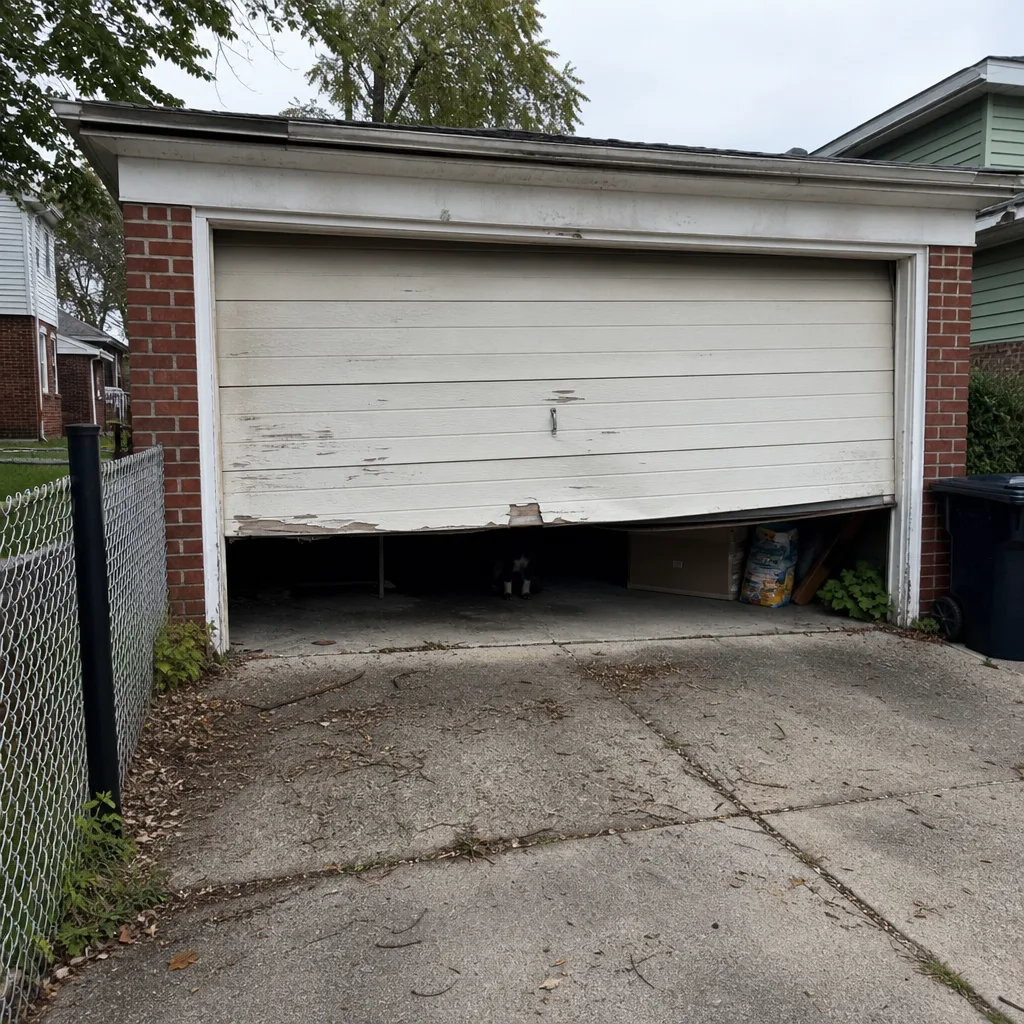 Before
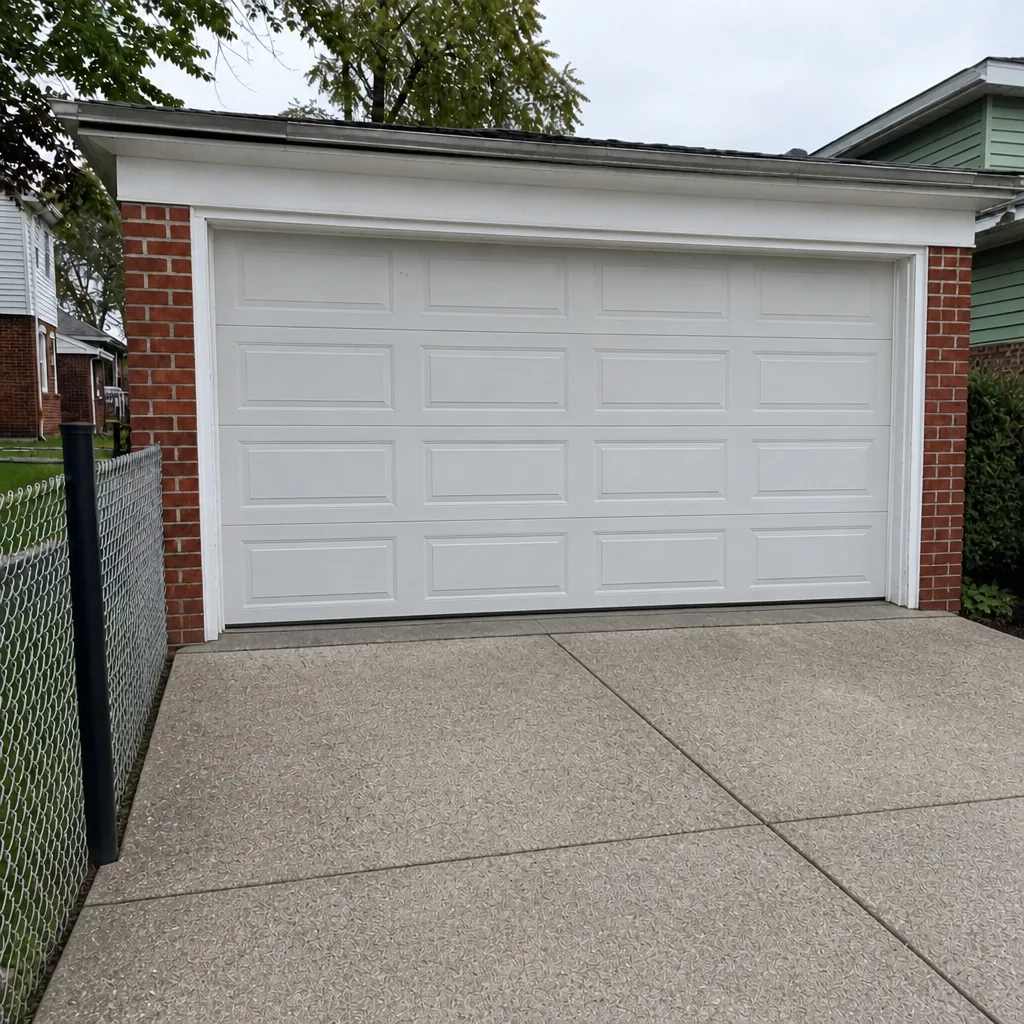 After
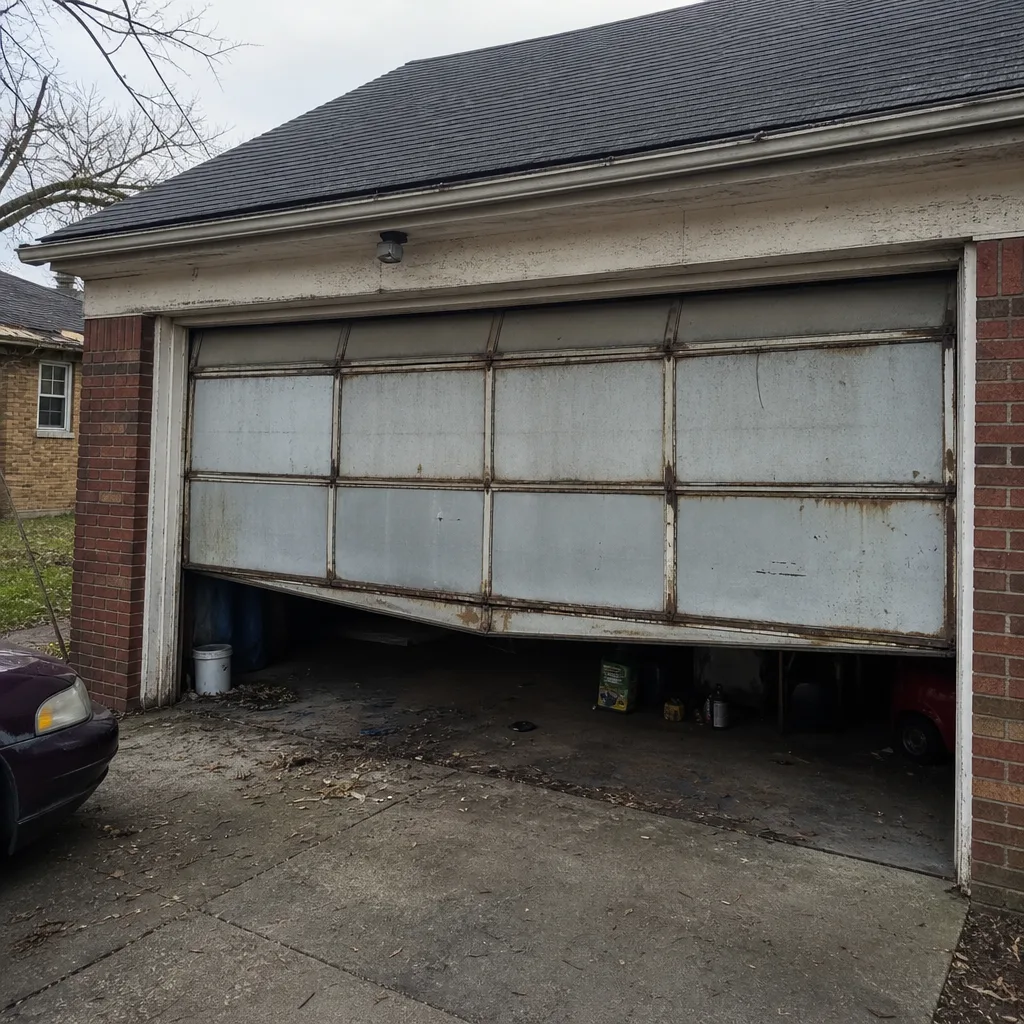 Before
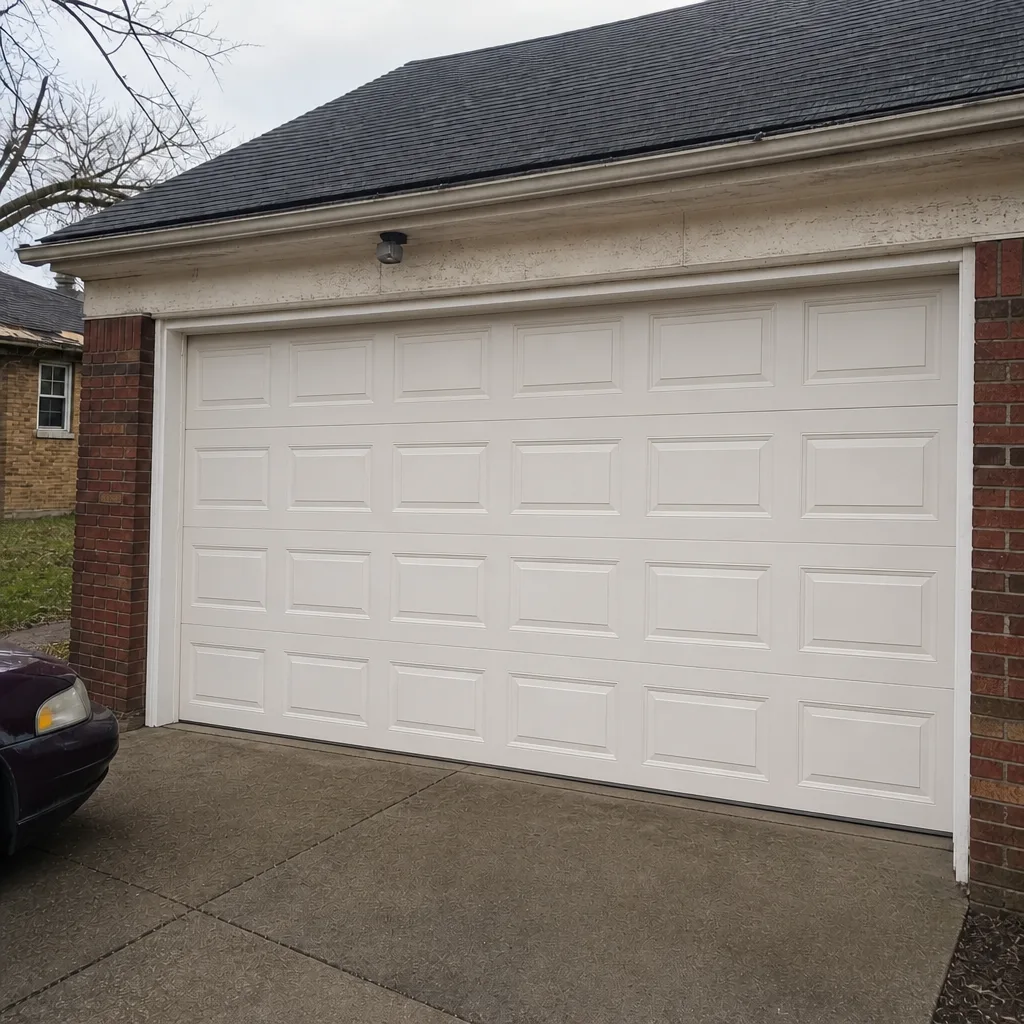 After
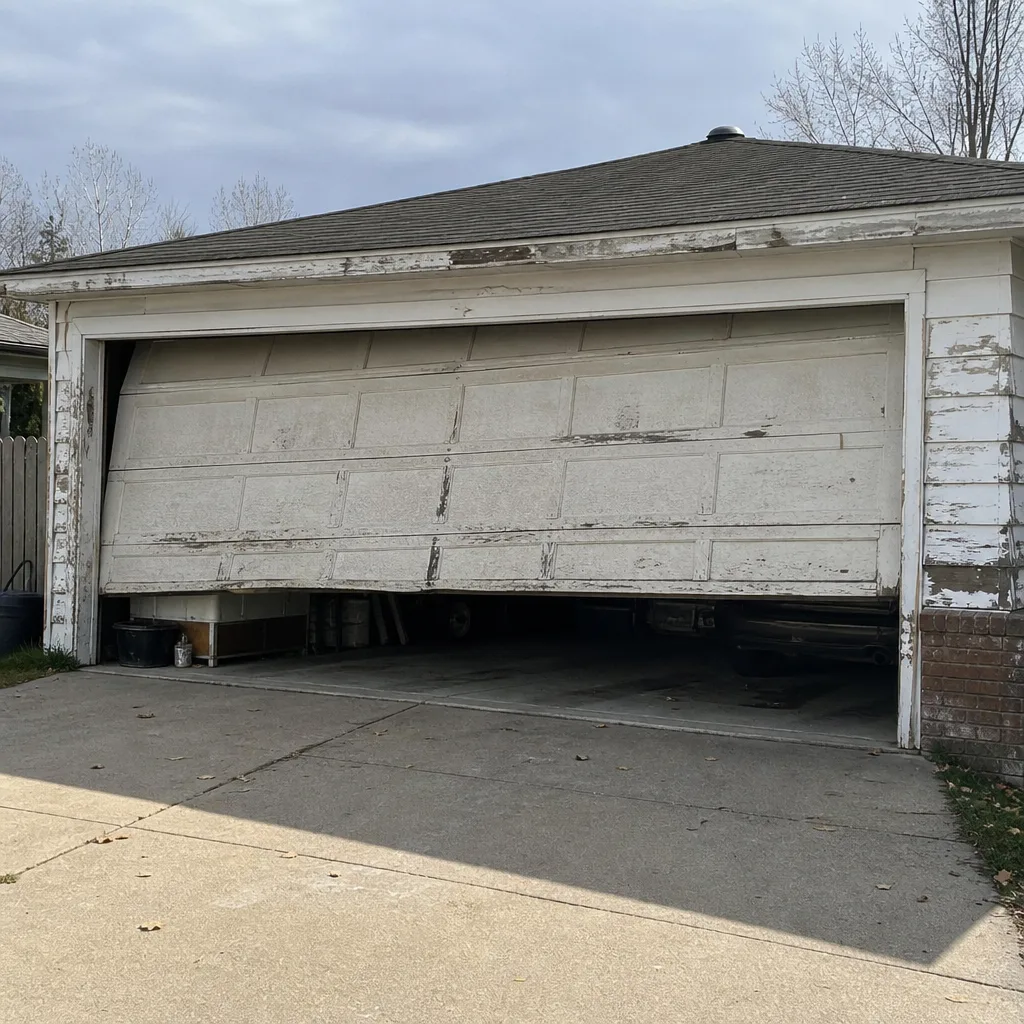 Before
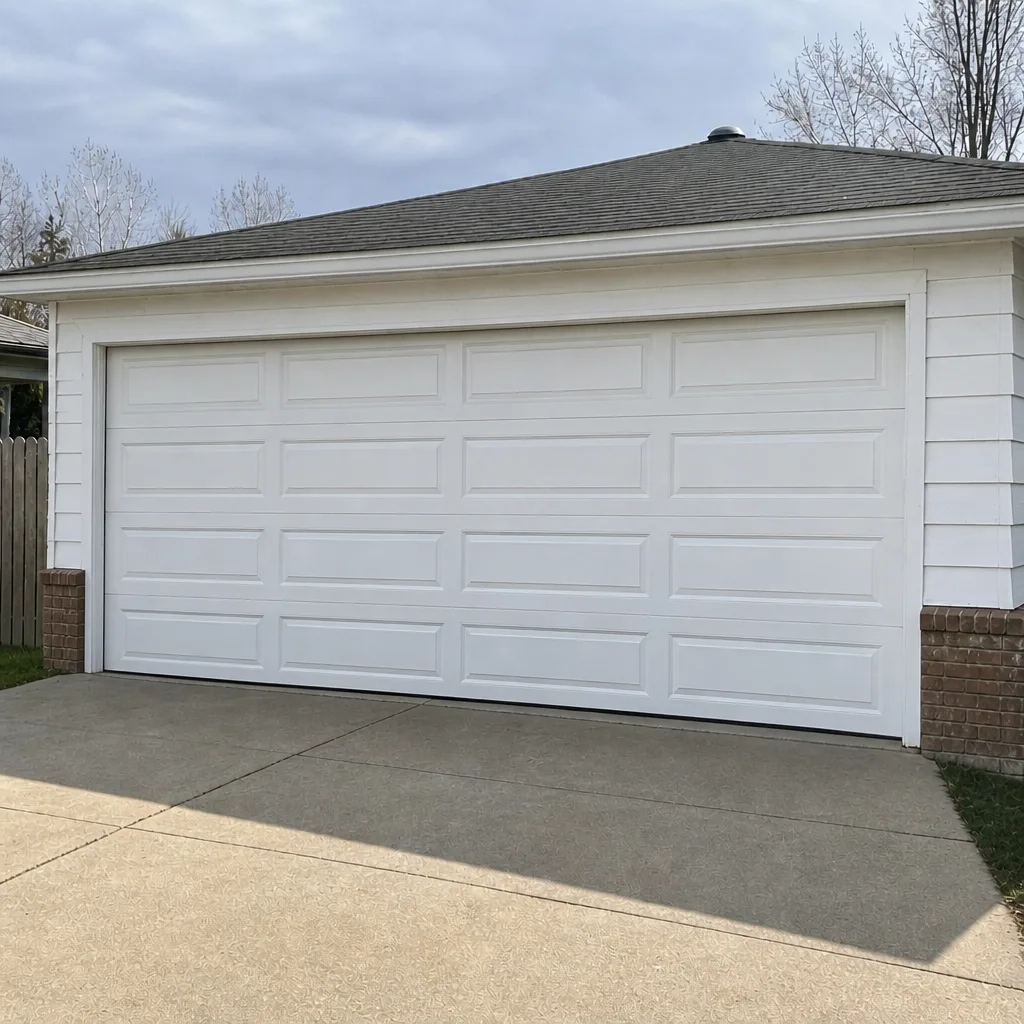 After
When to Call a Professional
Call a professional if you see a broken torsion spring, a snapped cable, a door that won’t stay level, or a door that won’t open by hand with the release pulled. Call if the opener hums but the door doesn’t move, or if the door reverses on its own. Call if you’ve tried to free a frozen door and it still won’t budge. The door with a visible spring gap, or the door hanging crooked from a cable, is not a “wait and see” situation. Vantage Garage Door Repair offers free estimates in Detroit for Vantage Garage Door Repair services across repair, opener diagnostics, and installation. Call (888) 804-9214 and we’ll talk through the situation and book a time. We answer 24/7. Fast dispatch from 7am to 7pm, Sunday through Friday.
Frequently Asked Questions
Pull the red cord hanging from the trolley on the rail, then lift the door by hand. Confirm the spring is intact first – if you see a gap in the spring coils, don’t pull the release. A balanced door should lift with one hand. Re-engage by closing the door fully and pulling the cord toward the door until the trolley clicks back in.
Yes, in most cases. Clear the visible ice with a plastic scraper, warm the bottom seal with a hairdryer or warm water, and spray de-icer along the seal once it’s free. Test by hand before hitting the opener. If the door still won’t budge after warming, or you see a broken spring or cable, call a professional.
Spring replacement and cable replacement are typically estimated in the range we quote in writing, and the written estimate sets the price. The price is quoted and agreed before any work starts. Same-day service is available for most repairs. Call (888) 804-9214 for an exact quote – estimates are free.
No. The written estimate is the price. We assess the door, quote the repair, and the price you agree to is the price you pay. If we find a second issue underneath, we quote it separately and you decide before any work begins.
A battery backup is worth it for any home that relies on the garage door daily. Michigan doesn’t require it, but the ice storm outages make it a practical upgrade. Look for a model with a tested backup runtime and know how to test it. If your current opener doesn’t support backup, ask about repair-versus-replace options.
Yes. Our technicians are licensed and insured, and they have up to 14 years of experience working on the major brands – LiftMaster, Chamberlain, Genie, Clopay, Amarr, Wayne Dalton, Craftsman, and Raynor. We service what’s already installed. Call (888) 804-9214 for a free estimate.
The Bottom Line
Detroit’s winters test garage door hardware in ways most other climates don’t. The two scenarios that strand homeowners most are frozen doors and power outages, and both have simple protocols you can learn in five minutes and use for years. Find your manual release now. Keep a de-icer, a hairdryer, and a cold-rated lubricant in the garage. Never force a frozen door, never touch a broken spring, and never trust an “emergency” line that’s just a recording. Build the relationship with a brand-agnostic repair company in the fall, before the freeze makes the decision for you. Done right, the door stays out of your way all winter. For a free estimate in Detroit, call Detroit‘s Vantage Garage Door Repair at (888) 804-9214. We answer 24/7. Fast dispatch from 7am to 7pm, Sunday through Friday.
Written by the team at Vantage Garage Door Repair.